Hemp Regulation and Medical Marijuana May Come to North Carolina in the Same Bill
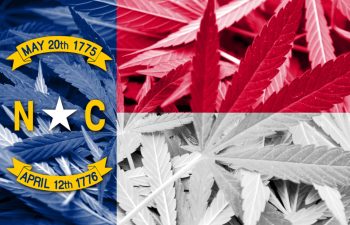
In a clever legislative maneuver, members of North Carolina’s state senate are attempting to legalize medical marijuana by attaching it to a bill aimed at regulating hemp and CBD products.
The Senate has already shown its support by passing a medical marijuana bill. However, House Speaker Tim Moore has stalled the legislation, citing significant opposition from his Republican colleagues, despite his personal support for the measure.
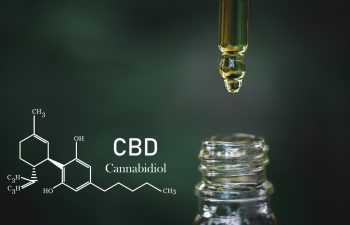
Interestingly, the House is keen to implement new regulations for existing THC products in North Carolina. These regulations include setting an age requirement for purchasing CBD and hemp products and establishing licensing rules for retailers and manufacturers.
In a strategic move on Wednesday, a Senate committee voted to incorporate medical marijuana into the hemp regulations bill. Senator Bill Rabon, R-Brunswick, and the influential Senate Rules Committee chairman, highlighted the similarities between hemp and marijuana products.
“It’s just a matter of one coming from the ‘hemp plant’ and the other from the so-called ‘bad’ marijuana plant,” Rabon explained. “Both are essentially cannabis sativa, so it doesn’t take a genius to see they are fundamentally the same.”
Rabon emphasized that the combined bill would impose stricter controls on marijuana compared to other hemp and CBD products.
“Hemp products can be purchased by anyone 21 and over once this bill is passed,” Rabon stated. “Medical marijuana, however, will only be available to those with a physician’s recommendation, making it a safer and more regulated option for treating specific, often terminal, illnesses.”
Senator Michael Lazzara, R-Onslow, stressed the urgency of the bill in light of potential federal reclassification of hemp and marijuana products.
“We have a prime opportunity to set up proper regulations for this industry now, and it’s crucial we don’t let this chance slip by,” Lazzara urged.
Should the Senate approve the bill, the House will then vote on whether to accept the changes. If the House rejects the new version, it will lead to private negotiations between the two legislative bodies.
Additionally, the Senate committee passed separate legislation concerning vaping products. This bill would require certain vaping and “alternative nicotine” products to undergo certification to ensure FDA approval and safety. Certified products would be listed for retailers, who would be prohibited from selling uncertified items.
“There are significant penalties for manufacturers who bypass these laws,” noted Senator Michael Lee, R-New Hanover. “These measures are necessary to protect our youth and the public.”
This vaping regulation faced pushback from convenience store lobbyists, who argued that the changes could remove products from shelves and negatively impact their businesses.
The vaping provision was appended to an unrelated bill that would permit Wake County schools to seek new partner institutions for their leadership academies, previously affiliated with St. Augustine’s University.
By blending the legalization of medical marijuana with hemp regulations, senators are attempting to push through crucial legislation that could reshape the landscape of cannabis-related products in North Carolina.