Impulse purchases account for a significant chunk of the consumer spending pie. About one-third of all consumers make at least one impulse buy every week with a median purchase of $30.
An impulse purchase is usually one of three things: an add-on to complement something a customer has already decided to buy (like a lighter with a pipe); something they buy quickly because they’re afraid it either won’t be there later or it will cost more on the next visit (limited time sales, special promotions or clearance items); or something that elevates their mood in the moment (energy drinks, mints, eye-drops, and even CBD lollipops).
Convenience is one reason retailers keep impulse items next to the checkout counter, but according to Psychology Today, the spontaneous urge to spend results from a direct connection between a consumer and a product.

When we’re connected to a product it literally changes the way our minds perceive it. Our minds essentially start acting like we already own the product, which makes it harder to go without buying it, explains Dr. Ian Zimmerman.
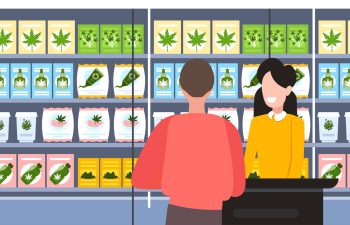
As a brick-and-mortar store, you have a lot of things going for you in the impulse buying department — mainly the ability to influence shopping habits by where and how you merchandise the products you want customers to buy. The question is, are you using your powers wisely?
Since impulse buys are triggered primarily by emotion, you can make the decision more enticing by pushing the right customer buttons. Here are some suggestions:
Urgency – Arouse a sense of urgency through limited-time promos. A “Today Only” description in your signage can make the impulse buy more compelling.
Value – Make shoppers see that they’re getting a great deal with generous offers. Running “Buy two, get two” promos encourages shoppers to more items in their basket.
Excitement – If a product looks fresh or novel enough, people will take notice. If you have new and original items in your store, and they fit the above-mentioned criteria (i.e., handy and low cost), then consider testing them out as impulse buys to see how customers react. Be sure and mix things up, so it doesn’t look the same old things at the register every time a customer checks out.
Don’t be color blind
Be sure to pick your color palette for signage wisely. Hues such as red and yellow are proven to draw attention.
Speak up
The most credible form of marketing comes straight from the people we know and trust. Eighty-three percent of consumers say they trust the recommendations of friends, so train your staff to be a “friend” rather than a salesperson. Here are some good examples of staff-initiated customer interactions and casually dropping a friendly suggestion into the conversation:
“I can’t believe we placed these grinders out yesterday and they’re already almost gone.”
– suggestion –
“We have this new vape pen in, did you see it? It’s so cool.”
Placement makes perfect
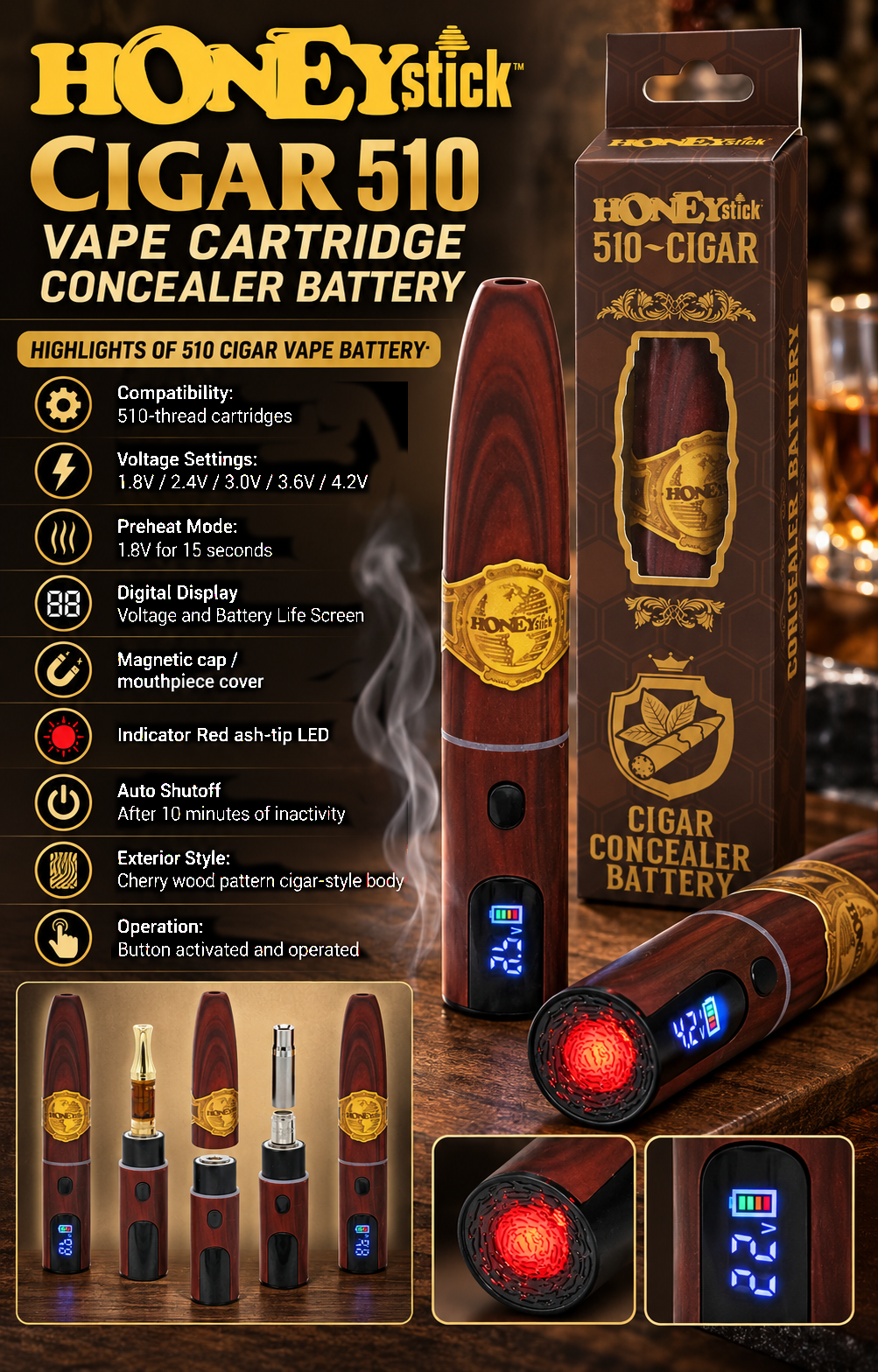
While the point-of-sale is a common location, it isn’t the only place in the store that can be used to promote impulse buys. Related items can be grouped around a prominent seller. For example, you can place e-juice, batteries and cases around a display of vape pens.
Don’t pile it on
Resist cramming too many products into one location. The key is giving the customer the opportunity to interact with the product. If items are stacked, they won’t stand out, and a customer won’t touch or pick them up — the idea is to get the item into the customer’s hand.