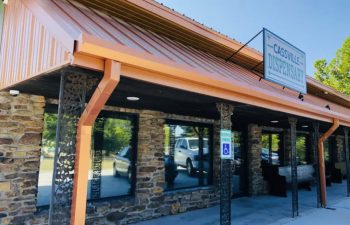
Before you’ve said a word, your shop is selling. The customer hasn’t touched a single product, and your staff hasn’t even said hello. Your decor and layout have already done the talking, either pulling people in or pushing them away.
Look, most shop owners don’t spend a lot of time thinking about this stuff. You have to think about inventory, vendors, staffing headaches, and whatever new regulation is coming down the pipeline. But ignoring your store environment might be leaving money on the table.
Here’s why store decor is more important than you think.
You’ve Got About Seven Seconds
Seven seconds. That’s roughly how long it takes for someone walking past your shop to decide whether they’re coming in. Some research puts it at a tenth of a second for an initial gut reaction. Either way, the pitch starts with your window display, your signage, and your street-facing lighting.
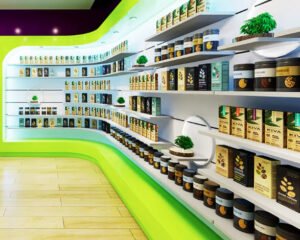 Walk past your own shop sometime. Seriously, go outside, stand across the street, and look at it like a stranger would. What do you see? Is it inviting? Does it look like something interesting is happening in there? Or does it look like it hasn’t been touched since 2009?
Smoke shop customers are a specific crowd. They’re visual, they’re culture-driven, and they notice things. A dark, cluttered window with sun-bleached products doesn’t say relaxing space, wellness, or even cool and hip. It probably says “keep walking.”
On the other hand, a clean, well-lit display with intention behind it says the opposite. It makes people curious. And if they never come in, more than half the sale is already done.
Same Pipe, Different Price Tag
Where a product sits changes what people think it’s worth.
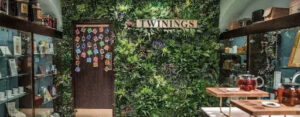 You know this instinctively. A $200 glass piece shoved onto a packed shelf next to a bunch of other stuff? It looks like a $60 piece. Put that same pipe on a clean, well-lit display with a little breathing room around it?
Consumer psychology research shows that store atmosphere and how products are displayed directly affect what shoppers think they’re worth and what they’re willing to pay.
Luxury stores figured this out decades ago. Apple doesn’t pile phones in bins, nor is high-end jewelry sitting in plastic trays.
If your shop carries premium glass, niche brands, or specialty products, you can improve margins with a few tweaks.
Does Your Store Have the Right Vibe?
Walk into a great headshop, and you know what it is in five seconds flat—the shelving, the lighting, the colors, the scent, and the music. You need to curate everything carefully to create a certain mood for the clientele.
If, let’s say, you cater to stressed moms who need to find a way to relax, and your ambiance is curated to help them do just that, isn’t it likely that they will not only step in but also keep coming back?
Think about what yours is actually communicating right now. A clean, modern shop with LED accent lighting and organized displays reads a certain way. A shop with warm lighting, wood fixtures, and a more old-school aesthetic reads completely different. Neither is wrong; however, it needs to appeal to the specific people you need to walk through your door.
Your customers remember how a place made them feel a lot longer than they remember what was on the shelves. That feeling is part of your brand.
The Longer They Stay, the More They Spend
This one is pretty well documented: the more time a customer spends in your store, the more they buy. A retail analytics firm called Pathintelligence ran the numbers and found that a 1% increase in dwell time leads to a 1.3% increase in sales. That doesn’t sound huge until you realize it compounds across every customer, every day.
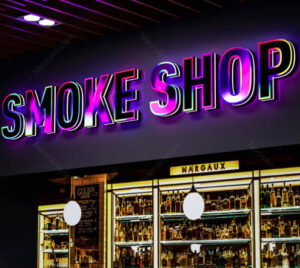 So what makes people stick around? Layout. A good layout pulls people through the space naturally. It puts things in front of them they weren’t looking for but suddenly want. It creates those “oh wait, what’s this?” moments that lead to add-on sales.
According to Chad Wade, a smokeshop expert, “Most well-designed retail stores guide their clients to the right when they walk into the store. This is where all your high-margin products should live.”
This is part of layout psychology, which most big stores and supermarkets use to maximize sales.
Chad also advises using the back wall for your premium upsells.
Think about where your impulse items are. Are they near the register where people are already in buying mode? Are your accessories and add-ons near the products they go with? Are there dead zones in your shop where nobody goes? Take time to consider this through psychological and revenue lenses.
Make People so Comfortable They Reach for Their Wallets
People don’t spend money when they’re uncomfortable. It’s that simple.
Bad lighting is one of the biggest offenders. Harsh fluorescent overhead lights make people feel like they’re in a gas station; they want to get in and leave fast. Softer, warmer lighting does the opposite. Studies have shown that customers perceive products as higher-quality and fresher under better lighting.
Clutter is another big no. A packed store isn’t the same as a full store. Research shows that visual clutter literally triggers a stress response. Cortisol, the stress hormone, goes up. Customers start to feel overwhelmed without knowing exactly why, and they leave. For headshops, where you’re carrying a lot of product in a tight space, the challenge is showing people everything you’ve got without making them feel like the shelves are closing in on them.
Keep music at a volume where people can still think and talk. Ensure the temperature doesn’t make anyone want to leave. These aren’t big renovations. They’re just things that make people feel good in your space.
Good Store Design Helps Prevent Shrinkage
Store decor does more than improve appearance; it also enhances security. A well-designed layout reduces theft by improving visibility and eliminating hiding spots.
Bright lighting, lower shelving, and clear aisles allow staff to monitor the sales floor more effectively, while placing high-value items near the checkout or in locked displays adds an extra layer of protection.
Simple additions like convex mirrors can also eliminate blind spots. By designing a space where customers and staff can easily see one another, retailers can reduce shrinkage while creating a safer and more welcoming shopping experience.
Clean. Organized. Well-lit.
This is the secret to great decor for your store that builds loyal clientele and increases revenue.
You do not need a full renovation or a big budget. You need a space where customers can see your products clearly, move through comfortably, and leave feeling like they came to the right place.
Do that consistently, and the revenue will follow.
Want to make your shop’s visual marketing work even harder? The right printed materials can capture attention, promote products, and reinforce your brand. Discover why traditional marketing tools still deserve a place in your strategy in “Print Lives! Why Flyers and Posters Still Work”