
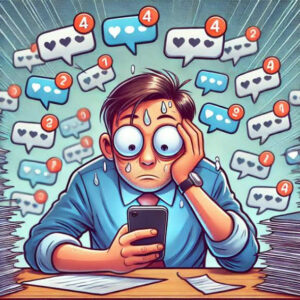
Ten seconds. That’s all it takes for a customer to lose interest and your cart size to shrink. It is not that your customers don’t know how to focus; rather, they have many things competing for their attention.
Nick Gary, founder of IGU Global, calls it a growing impatience for uncertainty. According to Nick, customers will stay in the store if it’s answering their needs. Every second they spend asking what something is, how much it costs, or how stupid they might feel asking a question is a second closer to a decision to leave.
Your biggest focus should be telling an experiential story that makes them want to stay. The good news is that simple tweaks can make a big difference.
Treat Your Layout Like Real Estate
Retail is like a game of Monopoly. Some areas are prime real estate, and others are nice-to-have. Think of your store from the same lens.
Your store window is prime real estate. It should call your customers into the store. It should showcase the most relevant and urgent offering for that season. Make it clear to spot and understand from a distance. Take advantage of layout, lighting, and design based on your target audience to make it easy for the eye to naturally fall on your window and convince the customer to walk in.
 As Joe Spisak, CEO of Fulfill, noted, “Products placed within the first 12 feet of entry had 4x higher conversion than identical items 30 feet back.”
Once the customer walks into the store, the momentum needs to continue. According to Ani Nersessian, owner of VM ID Inc., the first section of the store is the golden zone. It should continue the theme that pulled the traffic in.
Once the customer walks into the store, make decision-making easy to avoid decision fatigue. First, avoid clutter and cramming too many things onto your shelves. You can add all your products to your online store but keep only the key products in your storefront.
In addition to that, create categories that resonate with customers and help them place your product into their daily routines.
You can build three collection types: product category, theme, and lifestyle. For example, bundle a candle with a bath bomb and an essential oil for a self-care collection or autumn-themed items during Thanksgiving. Create this collection on a table in front of the items so customers can pick and choose what to add from the inspiration created.
Tap Into Mood and Emotions
Do you remember your Christmas shopping experience? Jingle bells singing in the background, the smell of cinnamon in the air, and Christmas lights and decorations everywhere. It is a memorable experience.
You can create this experience in your store every day by using atmospherics. This is the conscious design of elements to create a specific mood, feeling, or behavior.
The best way to do this is to target all five senses. Think of your target customers: what are their pain points and what moves them?
With that in mind, create a mood board for your store. Intentionally prioritize what you want them to see, what needs to be at eye level, and what can be at foot level. What should they smell? Citrus, bergamot, or warm spices? What textures should be around them? Velvet, silk, reclaimed wood? What kind of music do they want to hear: ambient background music or loud punk rock? Lastly, should they taste anything?
Louis Vuitton does a great job with store atmospherics. They pick scents they are focused on selling each season and spray them into the air so you walk into a particular scent.
A fashion store in London called Aida has a coffee shop inside the store! The smell and taste of coffee as you walk around and pick out jeans. It makes you want to stay and browse.
Create a Seamless Customer Experience
The best experiences are those that are so seamless we don’t notice them unless they are missing.
Customer experience starts with the atmosphere you create—how comfortable customers feel in your store. Your staff can make or break this experience. At the Four Seasons, when a car pulls up, the butler opens the trunk to read the names on the guests’ luggage so he can welcome them by name.
 This level of personalization and attention makes shopping a pleasure that your customers want to repeat. This is especially important when selling lifestyle products. Does your staff approach customers and offer assistance, or do they wait for a frustrated customer to call for help? Do they ask questions and listen? Do they offer helpful input? Do they remember your frequent buyers?
Secondly, how confused does your customer feel when they walk in? Is your signage simple and helpful? Is there a clear but subtle push towards a certain direction?
As Ani Nersessian, owner of VM ID Inc., explains, “The general layout of the store, which includes fixture layout and category placement, affects how understandable and easy-to-navigate the rest of the journey may be. This is usually how the walking path is then directed. A well-presented category will be easy to spot at a glance, where additional signage may not be needed. And where it is, a hierarchy of various signage (e.g., headers vs. itemized signs) would help filter the assortment, especially in larger stores, so that the customers can process the space easier and help make the final purchasing decisions” (Nersessian, N.D.).
Label everything clearly, including prices. Lastly, make checkout easy, seamless, and friendly.
Don’t Let Them Leave Empty-Handed
The 10 seconds that got them through the door aren’t the only important 10 seconds. The last few feet before checkout are where impulse buying happens.
Think about what sits near your register right now. Design this space for quick decision-making. Placing low-commitment items like a mini candle, a sample-size edible, or a limited-run vape flavor gives customers one more easy yes before they walk out. Tap into FOMO. “Only a few left” or a seasonal item that won’t be back next month turns a maybe into a yes.
Keep it small. Keep it easy. This is not the place for a hard sell.
Customer attention may be shrinking, but you have the power to direct it.
Have you heard about the rise of wellness smoke shops? Click HERE to explore this growing trend and what it could mean for your shop.