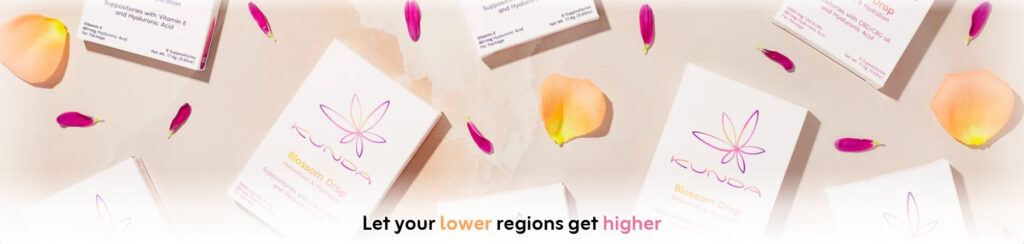
Meet the Women Changing the Way We Think About the Pelvis
Kunda Wellness isn’t your average CBD brand. It was founded by two Doctors of Physical Therapy who have spent their careers treating pelvic floor dysfunction and helping people reconnect with a part of their body that’s often overlooked, dismissed, or wrapped in shame. What Kunda has built is more than a product line, it’s a movement aimed at helping people heal naturally, rediscover pleasure, and feel at peace with their bodies.
Kunda’s co-founders are not only pelvic health experts, they’re also nationally recognized specialists in endometriosis, and outspoken advocates for changing how we approach pelvic and sexual health and conversations. I sat down with on of the founders Dr. Sherine Aubert, to learn how she and her partner Dr. Casie Danenhauer turned their passion into one of the most potent and fastest-growing CBD suppository companies on the market.
Sherine’s Journey: From Anatomy Books to Pelvic Floor Pioneer
“I grew up in a house that had anatomy books all over the place,” Sherine told me. “My dad is a medical illustrator, so I had access to a lot of information and resources from a really young age.” She also started dancing at age three, which deepened her connection to movement and anatomy. “I’ve always been aware of the connection between movement and the body,” she said. “But I also had chronic constipation, bloating, and a lot of shame around my pelvic area. I always knew something was off.”
That early body awareness, combined with a sense of something not being quite right, followed Sherine into adulthood. “In my twenties, I found a book called The Female Pelvis,” she said. “And I was like, ‘Oh, I can help myself with this.’ I started using breathwork, self-treatment, abdominal massage… and it completely changed my relationship with my body.” The shift was
so profound it became a turning point. “I had an epiphany- these self-healing modalities were like the best secret ever,” she said. “I decided to dedicate the rest of my career to sharing these practices with people.”
The Kunda Origin Story
“Casie and I met in clinic in 2016,” Sherine said. “We were in the same residency and instantly clicked. We both had this perspective of mixing Western and Eastern medicine and a really natural, holistic approach to treatment.” Their friendship formed quickly and naturally around a shared vision. “We always said, ‘Let’s build something together.’”
That vision wasn’t just about offering pain relief—it was about changing the conversation entirely. “We didn’t want to just treat discomfort,” she said. “We wanted to help people feel more connected to their bodies.” That idea became Kunda Wellness- a company built on intention, clinical expertise, and a fierce commitment to creating all natural products that empower women to reclaim their pelvic health.
Endometriosis- A Silent Epidemic
Endometriosis is a condition where tissue similar to the uterine lining grows outside the uterus— on the ovaries, fallopian tubes, and other areas of the pelvis. The result is often chronic inflammation, internal bleeding, scarring, and often, life-altering pain.
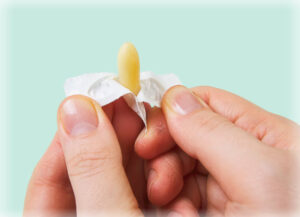 The physical effects are intense, but so is the emotional and social impact. Endometriosis can disrupt everything from work, to intimacy, to simple daily tasks. There is a lack of education around endometriosis, any patients spend years being dismissed or misdiagnosed.
According to Sherine, this isn’t just a fluke. “Most gynecologists aren’t trained in endo,” she says. “There’s a huge gap in awareness and treatment. We’ve made progress, but we still have a long way to go.” This is part of what fuels Kunda’s mission, not just offering symptom relief, but challenging the status quo of pelvic healthcare.
Intentional Formulation, Inside and Out
Kunda Wellness took over 15 months to develop its first products—a far cry from the typical “rush it to market” approach that defines much of the CBD space. For Sherine and Casie, every ingredient, ratio, and case study was carefully examined. They ended up discovering that More cannabinoids meant more relief, landing on 250+mg of CBD & CBG per suppository for their CBD line.
Even the brand name has layers. “We worked with a naming specialist. ‘Kunda’ means night lily,” Sherine told me. Later, a friend joked that in Czech, it also means vagina. That wasn’t part of the original plan, but it felt like divine timing.
Of course, there’s also a nod to kundalini—the primal, feminine energy said to reside at the base of the spine. That metaphor felt fitting for a company aiming to awaken the pelvis in a whole new way.
When Healing Includes Pleasure
CBD suppositories are often talked about in terms of physical relief, but for Kunda, that’s only part of the picture. Sherine is clear, these products are often praised just as much for increasing pleasure as they are for decreasing discomfort.
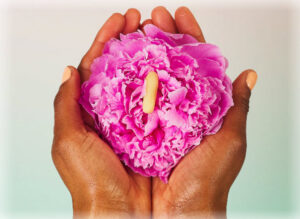 Hyaluronic acid in the formula improves hydration, reducing friction and dryness. CBD and CBG help calm inflammation and provide physical relief. When the pelvic floor muscles relax, blood flow improves (especially to erectile tissue) enhancing arousal, sensation, and comfort.
The feedback they’ve received speaks volumes. One woman said she had the best orgasm of her life. Another found that penetrative sex- something that had always been painful- became enjoyable for the first time in years. A client with endo reported that her period pain was nearly gone. Even men have reported relief when using the suppositories rectally for SI joint or hip discomfort.
“The pelvic floor relaxes,” Sherine says, “and everything gets better from there.”
Why Suppositories?
Unlike edibles or tinctures, vaginal and rectal suppositories offer localized relief. They bypass the liver and digestive system, delivering medicine directly where it’s needed. “Suppositories go straight to the area and say, ‘Hey, I give you permission to relax and hydrate,’” Sherine says. This makes them incredibly effective for managing pelvic inflammation, tightness, dryness, and pain—especially in conditions like endometriosis, postpartum recovery, vaginismus, and menopause.
What Kunda Offers (and What’s Next)
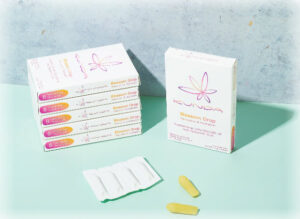
Currently, Kunda Wellness offers two signature suppositories:
Blossom: Formulated with over 250mg of CBD and CBG, plus hyaluronic acid, this is the go-to for those experiencing chronic pelvic pain, tension, or inflammation. The name comes from a therapeutic cue often used with clients: “Let your pelvic floor blossom like a flower.”
Nourish: Designed for postpartum bodies or those needing gentle rejuvenation, Nourish supports tissue recovery, hydration, and hormonal balance.
Looking ahead, Kunda is planning to launch a THC-infused product and a topical balm designed for perineal massage, vulvar care, and connective tissue work. Everything is being developed with the same intention and integrity as the original line.
Sherine & Casie’s Practice and Philosophy
Alongside their work with Kunda Wellness, both Sherine and Casie continue to treat clients in their private practices. Sherine runs Akasha Physical Therapy in Long Beach, where she specializes in pelvic, abdominal, and breast physical therapy. Her approach is hands-on, intuitive, and often includes home visits to create a safe and personal healing space.
 Casie is the founder of Enlighten Physical Therapy on the West Side of Los Angeles, where she offers holistic, trauma-informed pelvic care rooted in a deep understanding of mind-body connection.
Their clinical work reflects the same values that shape Kunda Wellness: intention, compassion, and a belief that true healing goes beyond physical relief. “It’s not just about fixing symptoms,” Sherine says. “It’s about helping people reconnect with their bodies and feel safe in them again.”
More Than a Brand, A Movement
Kunda Wellness isn’t just a company that makes CBD products. It’s a mission-driven movement created to transform the way we think about our bodies, especially the parts we’ve been taught to ignore, hide, or feel ashamed of. At its core, Kunda is about dissolving shame, amplifying pleasure, and reminding people that healing can be natural, sacred, and powerful.
“We’re here to take that blanket of shame off,” Sherine says. “To talk about it. To bring softness, permission, and connection back to the pelvis.” For her, healing isn’t just clinical, it’s emotional, spiritual, and deeply personal. “There’s so much messaging out there that tells people, especially women, that their pain is normal, that their pleasure is secondary, that their discomfort is just part of the deal. We’re here to say that’s not true.”
Every aspect of Kunda, from the product names to the ingredient sourcing and even the packaging, is designed with this higher purpose in mind. “We wanted to create something that felt like a gift,” she says. “Something that when you open it, your nervous system immediately
says, ‘Yes. I feel held.’”
Kunda isn’t about fixing or hiding what’s ‘wrong’ with the body. It’s about listening to it, honoring it, and creating space for its full expression. “When you reconnect with this part of yourself,” Sherine says, “you’re not just relieving pain, you’re reclaiming power.”
With every product, every client interaction, and every intentional conversation, Sherine and Casie are proving that pelvic health isn’t niche, it’s foundational. And with Kunda Wellness, they’re giving people the tools to heal, connect, and thrive from the root up.