The terms for defining different types of glass pipes are pretty standard — there’s Sherlock, spoon, chillum, steamroller and bubbler. But ask for the definition of what makes a piece “heady” and you’ll quickly find out, as we did when we posed the question online to glass artists and smoke shop owners, that it has a lot to do with personal perspective.
“Headies are one of a kind — some are masterpieces, some are milestones, some are just thrown together. But as long as you only make one truly like it, it’s heady,” states one person. Another responds, “If it looks like a bong from across the room it is NOT heady. If it looks like a straight up piece of art it is a heady.” One person suggested, “It’s something you would keep for yourself.” And yet another argued the defining quality to be, “It’s heady if it makes you go, “How the fuck, did they do that?”
Even the origin of the term heady seems somewhat ambiguous. Responses ranged from the origin being because the style blows your mind (or head) to the legend that in the Grateful Dead show days, the best way to get your hands on the coolest pieces was with oral gratification. Some even claimed the word is actually spelled “hetti,” which is beyond description even by Webster. The most logical explanation, although maybe not as colorful as the others, is that heady originates from such a piece being sold in a head shop.
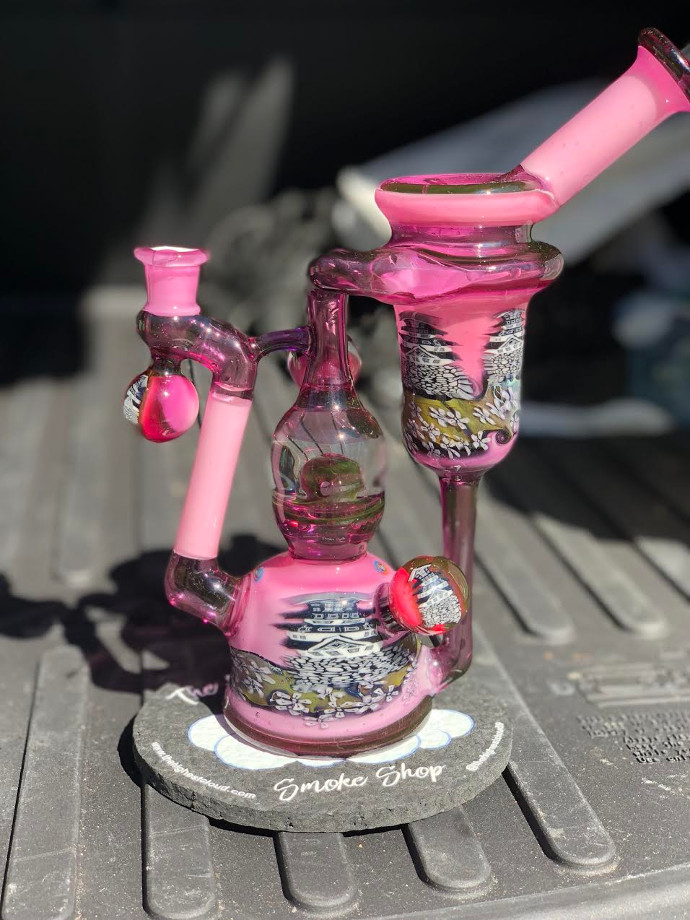
To get to the bottom (or the head) of the issue, we asked the opinion of Tito Bern, glass artist and owner of
The Bern Gallery, in Burlington, Vermont, and founder of the world-famous Pipe Classic, which draws top glass blowers from around the globe for an annual live flame-off competition.
“Heady is when an artist made any attempt to make the piece more special than just a normal production piece in that category,” Bern says, explaining that a basic frit spoon, for example, can’t really be heady unless it had a unique element like a sculptural mouthpiece.
Okay, that makes sense. But Bern continues that in order to use the term “heady” correctly, one needs to understand the difference between the noun and adjective versions of the word. Heady (n) is a piece that retails for generally over $500 (at least in Bern’s experience). Heady (adj) is a subjective term, solely in the eyes of the end user as to what they consider to be above and beyond the norm.
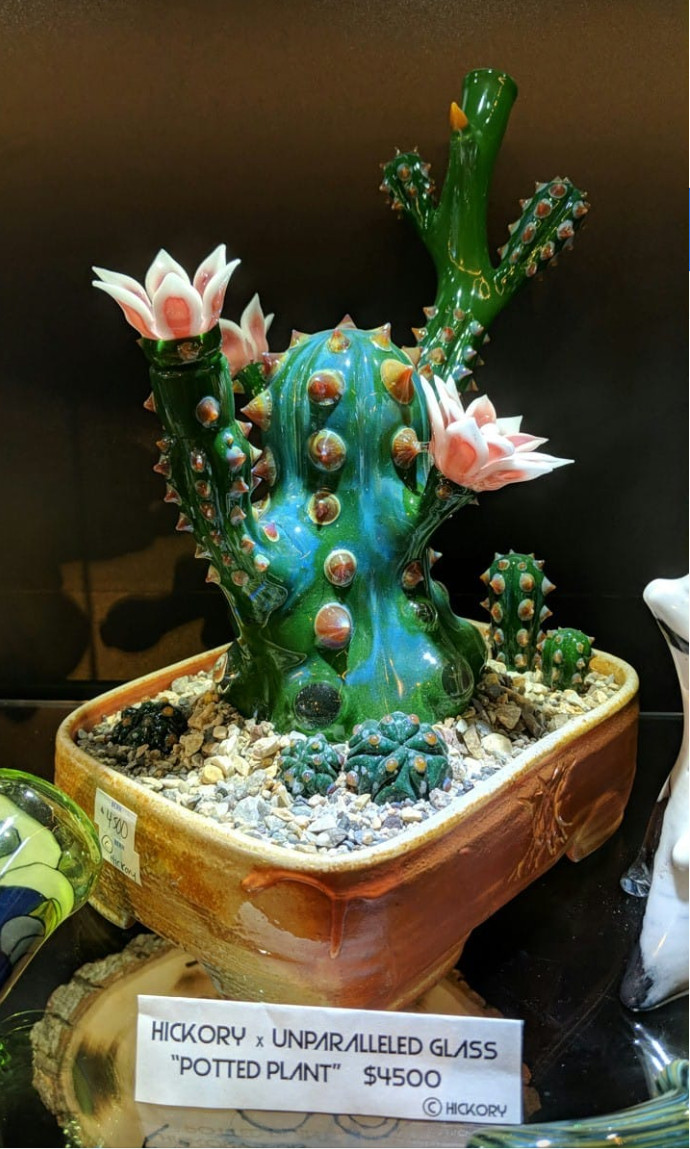
One thing upon with most can agree is that by classification, a heady commands reverence, attention and the free-reign to charge eyebrow-raising prices.
As a smoke shop owner, it’s up to you to educate customers on your definition of heady by showcasing pieces that YOU consider to be the best of the best. It doesn’t mean that you have to sell those pieces; many shops will build a heady gallery as a way to draw glass fans in to see those pieces close up, and in turn spread the word that this is something worth checking out.
Adding headies to your inventory can be an imposing proposition, not only because it represents a large investment, but also many glass artists now sell directly from social media. Why would you buy a piece that you have to markup to make anything on when the customer can simply cut out the middleman (you) and go right to the artist?
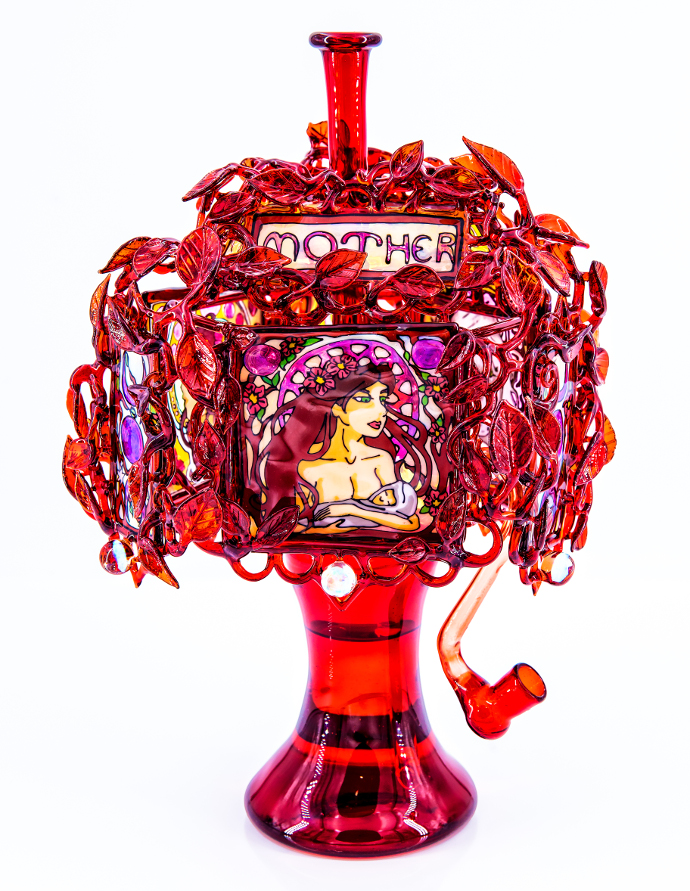
Bern has a simple solution — focus on collaborations as opposed to pieces that are made solo. Collabs are always going to be one-of-a-kind simply because the laws of the universe make it challenging for artists to team up and their ideas are rarely in the same headspace.
Another way to have headies on display is to hook up with distributors like
Waldo’s Wonders ,
Glassex and
Walton Art House who represent a stable of some of the most extraordinary independent artists of our time — along with selling pieces outright, some of these companies also offer exchange programs to that you can always have something new and exciting to show off.
* Check out our blog at headquest.com for tips on how to best showcase heady glass in your shop.

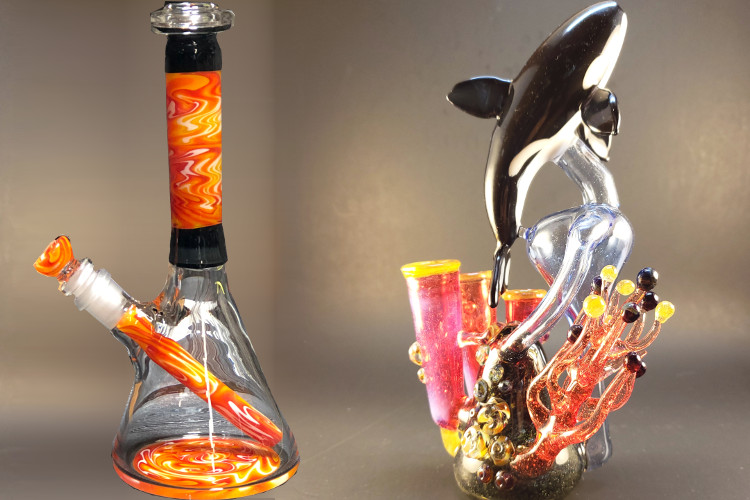 Pipe on left:
 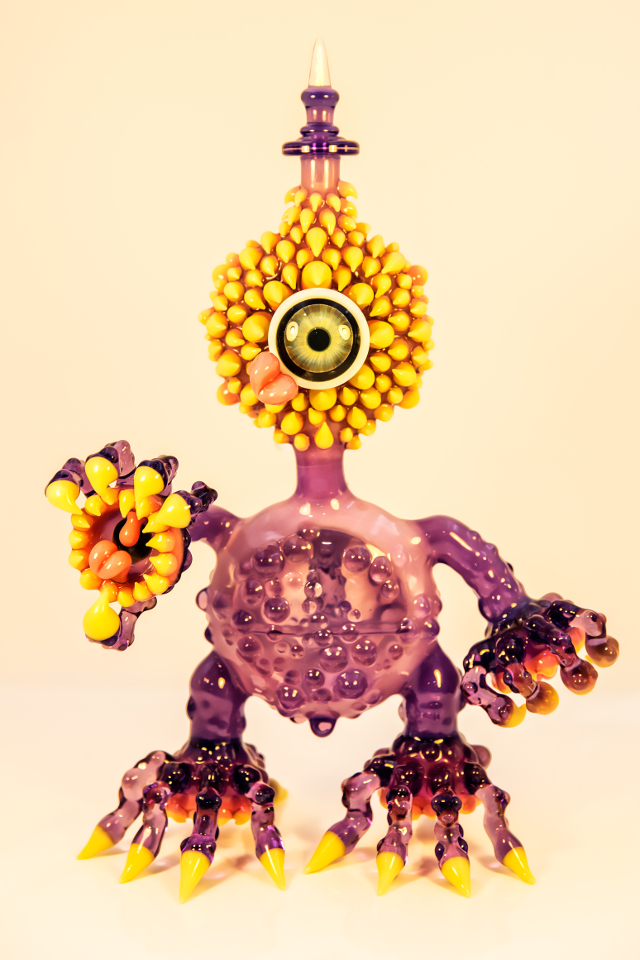 Photo courtesy of Sly Vegas
Glass piece by @lacorte_lampworking
Photo courtesy of Sly Vegas
Glass piece by @lacorte_lampworking