



Confession: I’m turning 35 this month, and for many reasons, it’s shaping up to be a monumental birthday filled with joints, drinks, and back pain. I’ve noticed the older I get, the more things ache. Taking two Tylenol and a shot of vodka doesn’t do it anymore.
Thankfully, companies like High Forest Relief help me feel good in my body, mind, and soul again. Shawn Thibeault, the CEO of High Forest Relief, is a true connoisseur of cannabis, and he puts that passion into everything he does. I spoke with Shawn about how they’re expanding their wholesale business and inviting more people to become part of the High Forest Relief family.
Tell us about yourself and how High Forest Relief got started.
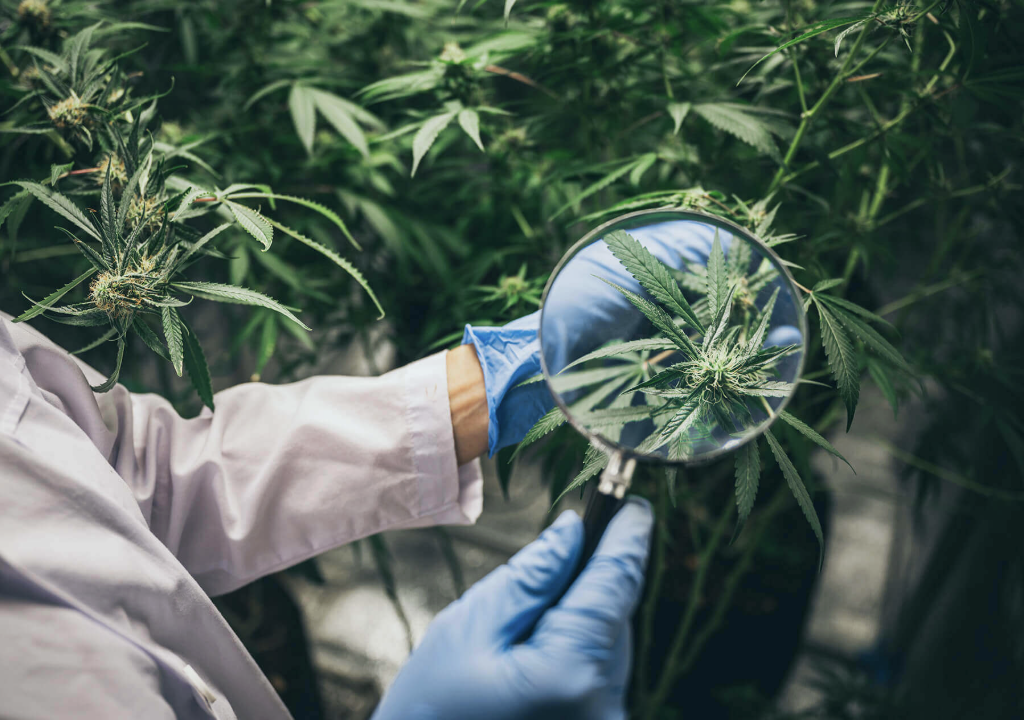
My name is Shawn Thibeault, and I’m the CEO of High Forest Relief, which was developed in April of 2019. The market in Tennessee had just started to expose hemp as an option for cannabis, and I began seeing it in a lot of gas stations and vape shops. They offered such disappointing products. It really felt like a race to the bottom, so I started growing hemp products indoors, hydroponically. I did the same thing I would for medical-grade cannabis, and focused on making a superior product.
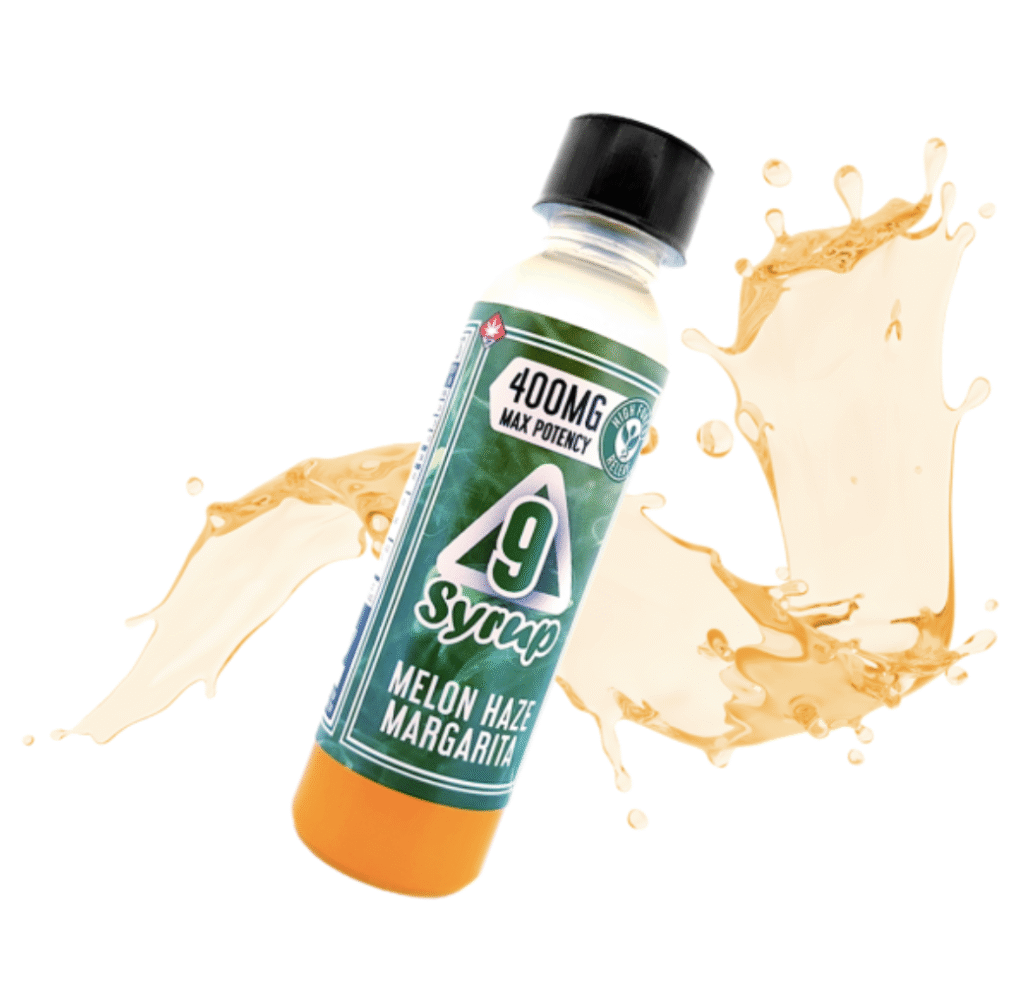
We first launched as a bath bomb company in Holden Wall, Tennessee, and then quickly introduced other options like muscle creams, body butters, and soaps. We launched over 400 different SKUs over the next three years and opened a brick-and-mortar store. Now we sell a wide variety of CBD and hemp-derived products like gummies, vapes, and flower. We’ve since added eight more stores across five years, bringing us to a total of nine locations.
What makes your products stand out from others in the industry?
It’s really the quality and the education. We pay for all of our staff’s education programs, where they receive ten different certifications.
The right option isn’t always just about THC and CBD. We focus on personal ailments, such as neurological or physical disorders. We want to provide people with educated answers to their questions. We select specific strains that help bring problem areas back into balance.
We spend about 30 to 45 minutes with each customer to understand their needs instead of upselling. The product sells itself.
Let’s talk about your flower specifically. What makes it different?
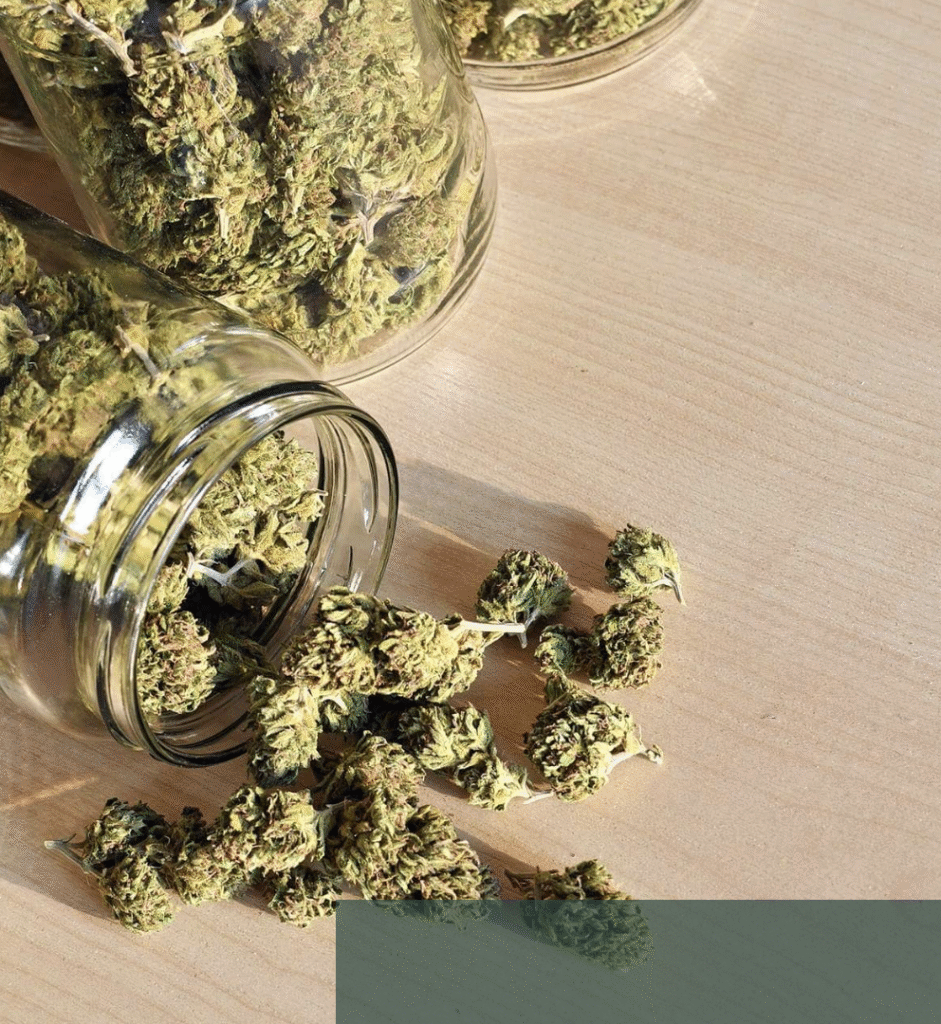
We try to gear toward landrace strains. Landrace strains are your typical strains that you would find in Africa, Asia, and European countries. That allows us to produce strains for specific ailments. Every one of them should be unique, like a snowflake. It has its own individual look and smell, and something special about it.
Do you have any personal or customer success stories?
One of my proudest moments is being in Walmart and running into a customer who was regularly purchasing for his grandfather, who was passing away with stage four cancer. For them to praise me and my business and my products, and how much it’s helped them, is always the most rewarding feeling.
Ultimately, man, I have cystic fibrosis. Most individuals with my lung disease have already had a double lung transplant or passed away before their 30th birthday. I’m 37 now, and I can’t help but give credit to the balance of cannabinoids in my system that helped me fight the diseases I was born with.
How can companies work with High Forest Relief?
You can contact us through our website at highforestreleaf.com. We want to build real relationships with the people who are purchasing from us. It’s not about cutting corners or chasing the lowest price.
If someone’s dealing with individuals with cancer or neuropathy, I want them to be able to call me and say, “What would you recommend for these types of customers?” That way, we can treat our wholesale customers the same way we would if it were a personalized retail customer.
Anything else you want people to know?
We have our own goat milk farm where we infuse all of our goat’s milk and CBD into our skincare products. Everything is organic and all-natural. We use responsibly sourced essential oils. We have over 47 years of experience making skincare products between my team and me. Every product has that same quality. No cutting corners. We put a lot of pride behind everything we do.











