



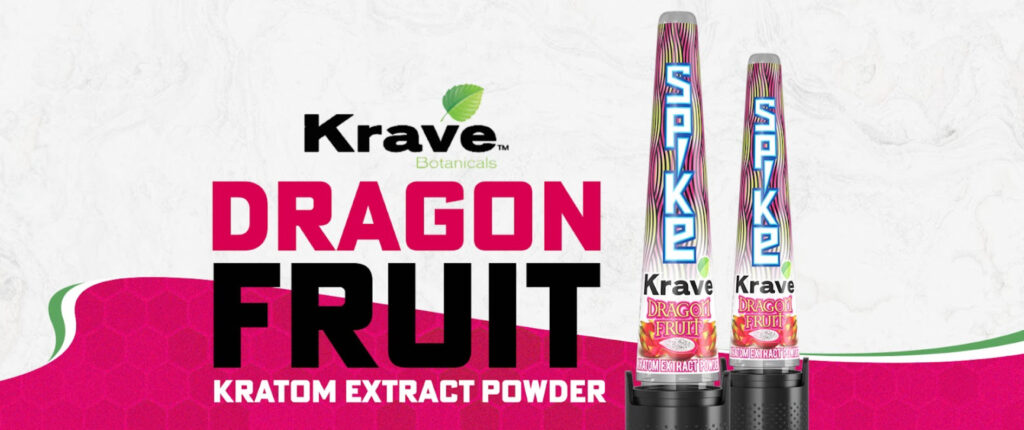
It feels impossible sometimes to escape the more ridiculousness aspects of pop culture—like pickleball, whatever a Labubu is, and the inevitable media frenzy surrounding Taylor Swift and Travis Kelce’s upcoming wedding. Thankfully, there’s at least one trend that’s still on the rise that I can get behind, which is kratom.
The explosion of kratom in recent years has taken the market by storm, and Krave Kratom has been part of the movement since the beginning. If you’re looking for a high-quality product that is meticulously sourced and backed by a long history of consistency, Krave Kratom is the name to know.
In a market crowded with gimmicky brands and fly-by-night formulas, Wes and the team at Krave Kratom deliver a product that does exactly what it promises. Krave Kratom delivers a potent, trusted product that’s been formulated with care. I caught up with Wes, the owner of Krave Kratom, about their approach to the industry, their latest product release, and how they plan to continue their decade of excellence.
Q: Tell us a little about yourself and how Krave got started.
My name is Wes, and I’m the owner of Krave Kratom. We started this business ten years ago as a very small company, and we’ve grown the business to be all over the U.S. Throughout the years, we’ve created innovative products that have inspired the market. Our team focuses on using quality ingredients, finding the right sourcing for the product, stringent testing, and following GMP guidelines. We are constantly launching new products, new ideas, and finding innovation within our industry.
Q: Krave Kratom is always coming out with new products. Do you have anything exciting on the horizon for us to look forward to?
There is a new product that we’re going to be launching here shortly. It’s a tablet that’s got MIT in it, and only mitragynine. It doesn’t have any 7-hydroxy, which is great for people looking for a different experience.
There’ll be 10 tablets per pack, six packs in a display, and each tablet will contain 100 milligrams. They come in six delicious flavors: grape, watermelon, wild berries, lemon mint, blue raspberry, and strawberry banana.
Q: What makes Crave different from other kratom brands?
Krave Kratom is basically the Red Bull of kratom. We were one of the first people to be in the kratom business in the U.S. We have name recognition and the trust of the consumer, because people know they can rely on our product to be of the highest quality. We’ve been in this arena since day one.
We’re incredibly proud of the quality of our product, which is why our customers are so loyal. Shop owners tell us sometimes people try different stuff, but they always come back and ask for Krave again.
 We push ourselves to have the most effective products on the market. The efficacy and potency of our product are what’s most important to us.
Q: What’s your relationship like with distributors?
We sell direct to distributors, and our distributors love doing business with us. Stores love our product because it literally sells itself. We have strong, well-recognized branding, fast shipping, and good quality customer support.
Q: Anything else you want readers to know about Krave or the industry in general?
I don’t have anything else to add. I just hope current regulations get in favor of kratom throughout the U.S., and we stop the injustice of local jurisdictions criminalizing kratom.
Q: What’s the best way for retailers to carry Krave in their stores?
If you’re interested in working with us, just give us a call at 760-500-0035. We’ll be more than happy to take care of you. You can also visit our website at KraveKratom.com to find out more about our products and for wholesale inquiries.










