|
Lede Paragraph |
When it’s time, it’s time.
Some things are just not working, and the clock’s ticking. Whether you’re having trouble moving inventory, getting customers in the door, or just letting people know you exist, you might need to take a clear-eyed look at how you’re operating and make some strong, strategic moves to update your business. Here are some bad ideas that need to go, and recommendations for steering toward success. |
|
Section 1 Products Getting the Axe |
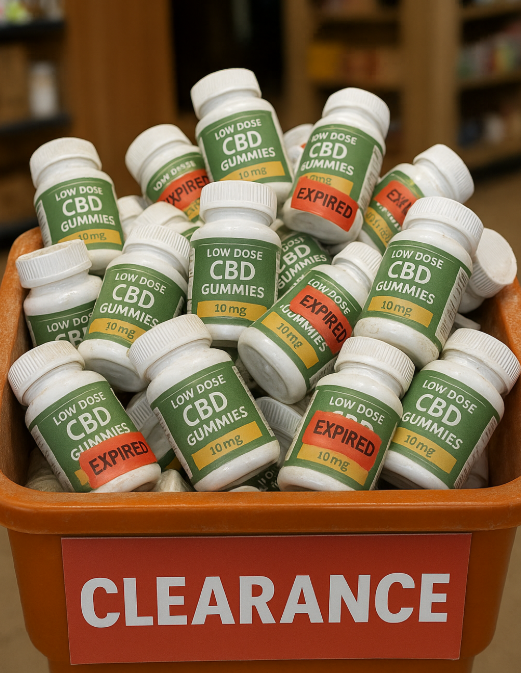
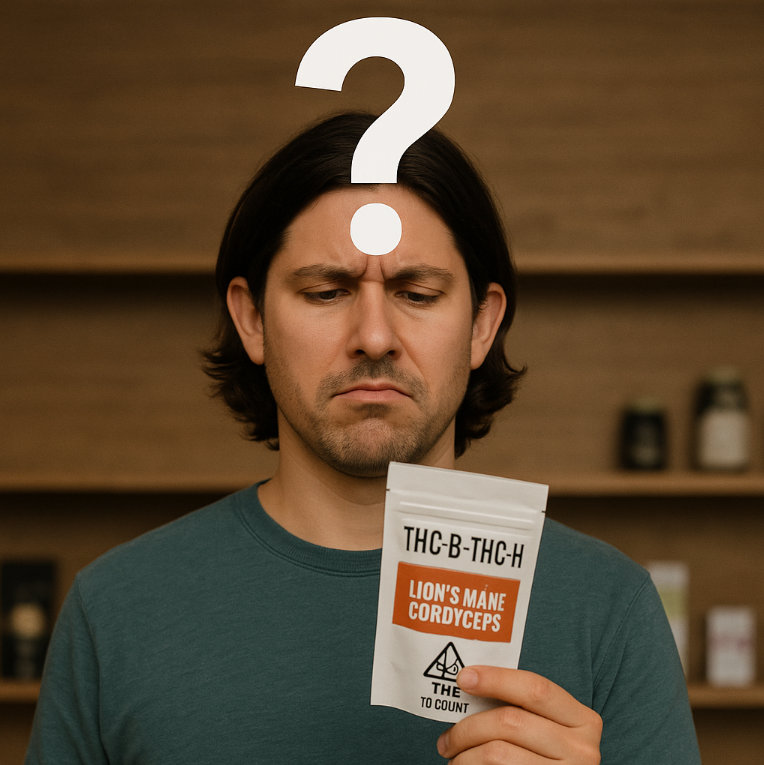
-------------------------------------------------------------------------------------------- Low-Dose CBD Gummies Why it’s dying The market’s flooded. Margins are gone. You’ve probably moved more expired CBD than you’ve sold this year. We’ve been hearing that a lot. What you can do We all know most people have moved on to alt-cannabinoids like Delta-9 and Delta-10. But federal and state restrictions might put the kibosh on them, too. Now, quality sellers are moving toward THCA, hemp-derived Delta-9, and THC-H. And in areas where even those products are verboten, we suggest going with functional mushrooms like Lions Mane cordyceps, and legal psilocybin extracts, which offer experiences within the bounds of the law. |
|
Unflavored THC Carts Why it’s dying Customers want more than neutral-tasting potency. In a world of options bursting with flavor, bland is blah. What you can do Stock up on terp-forward blends and mood-specific profiles. Use this as an opportunity to teach customers why terpenes matter and how they play a crucial role in the overall experience. Manufacturers should take note: consider adding experience-based labeling on all your products, which helps educate customers both in the store and out in the wild. |
|
|
Import Glass Why it’s dying Tariffs, possibly. Oversaturation, maybe. What you can do Buy American. You’ll likely get better quality products with a superior safety profile. Sure, it may cost more, but with tariffs looming, that price advantage may disappear anyway. Plus, you get the satisfaction of supporting domestic manufacturing. |
|
|
Cheap Plastic Grinders Why it’s dying They look chintzy, reek of bad quality, work poorly, are bad for the environment, and could be bad for you. What you can do These days, customers care more about aesthetics, function, health, and sustainability. Avoid plastics that could fall apart and even get in your weed; stock up on aluminum grinders with magnetic lids and screen filters. This should be the new baseline. With one exception: hemp grinders made by brands like Santa Cruz Shredder are another way to get your high-quality, good-for-the-planet grind on! |
|
|
Section 2 Strategies Being Left Behind |
-------------------------------------------------------------------------------------------- Ordering from Whomever’s Cheapest Why it’s dying Retailers got burned on return policies, shipping delays, or mystery ingredients. What you can do Retailers got burned on return policies, shipping delays, or mystery ingredients. |
|
Relying Only on Instagram for Marketing Why it’s dying Engagement is throttled, and shadowbans are real. A social media algorithm may be kneecapping your business, and you don’t even realize it. What you can do Engagement is throttled, and shadowbans are real. A social media algorithm may be kneecapping your business, and you don’t even realize it. |
|
|
4/20 Blowouts as the Only Sales Anchor Why it’s dying Sure, 4/20 is the most obvious cannabis holiday, but putting all your eggs in that basket is an unforced error. Savvy stores are running monthly micro-promos and eating your lunch. What you can do Spread out engagement. Creating a constant flow of unique promotions is better than relying on one-shot spikes. Go small or go home. |
|
|
Section 3 Mindsets Going Extinct |
-------------------------------------------------------------------------------------------- Not Educating Customers Why it’s dying Turns out cannabis is more complex than people imagined. And as new products emerge, they often have ingredients that few people knew about, including ones that have just been discovered or synthesized. What you can do Teach your customers. Make them smart consumers. They want guidance, especially when they’re bombarded with new cannabinoids, mushroom blends, and nootropics. They will become more comfortable with new products and spread the (correct) word to their friends. |
|
Neglecting E-Commerce Why it’s dying Word of mouth is great, but a lot of people are glued to screens. If you’ve got a great shop, make sure it exists in the realm where people’s eyeballs are pointed. What you can do Throw together a landing page. Start an Instagram profile. Anything that someone can look up. Even if you never ship a thing, an online presence legitimizes your brand and drives foot traffic. |
|
|
Avoiding Adult Products to Stay “Family-Friendly” Why it’s dying It looks prudish. The stigma of selling sexual products is mostly gone. The mainstream has gotten more open to stuff that helps you get it on. What you can do They get laid, you get paid. Embrace sexual wellness products and you’ll find bigger carts and a more loyal, diverse clientele. Sell the sexy stuff or risk leaving money on the table. |