Even without the representation and recognition they deserve, women have always been at the center of the cannabis movement. From policy and advocacy to entrepreneurship and technology, women have played key roles in both industry breakthroughs and cultural change. They are nurses on the frontlines helping medical patients in need; they are policy advocates and lawmakers challenging an unjust legal system; they are chemists and researchers ensuring safety at scale; they are groundbreaking business owners and leaders, even though only 3% of cannabis financing goes to women-owned businesses. In honor of Women’s History Month this March, we’re celebrating some female trailblazers and historic “firsts” who have profoundly shaped the cannabis industry as we know it.
Compassionate Cannabis with Mary Jane Rathbun
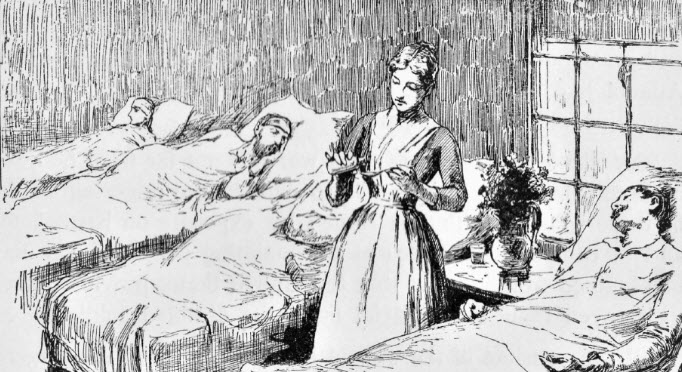
More commonly known as “Brownie Mary”, Mary Jane Rathbun (1922-1999) was a volunteer at San Francisco General Hospital during the height of the HIV/AIDS crisis. She baked cannabis-infused brownies and distributed them illegally to AIDS patients—often baking up to 600 brownies a day—to help patients ease nausea, keep food down, and reduce discomfort.
While she may have looked like your average, sweet grandma, she was a fierce medical advocate who was arrested three different times, garnering increased and important media attention for the medical cannabis movement. Working with activists like Dennis Peron and Valerie Corral, Rathbun helped pass San Francisco Proposition P in 1991 and later, California Proposition 215 in 1996 to legalize medical marijuana use in California. Everyone who knows that cannabis can be essential care and medicine can thank Brownie Mary.
Reimagining Medical Use with Valerie Corral
Valerie Corral became involved in medical marijuana advocacy first as a patient herself. Suffering daily seizures after a car crash in 1973 left her with severe head injuries, Corral tried every seizure medication on the market at the time before finally finding symptom relief with cannabis. Since she began using only marijuana, she hasn’t suffered a full-blown seizure.
This personal revelation led her to not only grow her own cannabis on her property in Santa Cruz, CA, but in doing so, she also became the face of the medical cannabis debate in the state when she became the first patient to argue—and win—her case on the basis of medical necessity. With her husband Mike, Corral co-founded the Wo/Men’s Alliance for Medical Marijuana, known as WAMM, to help other seriously ill patients access safe, reliable, and affordable cannabis for their own treatments, often providing it for free or on a sliding scale for those who otherwise were unable to access it.
In 1996, Corral co-authored Proposition 215 in California, making the state the first in the U.S. to legalize medical marijuana. WAMM operated as a collective until 2018, when the state shut it down, making no provisions for compassionate giving and care. Now, Corral runs WAMM Phytotherapies as a new, licensed cannabis company, an offshoot of the original collective that continues to promote accessible and affordable cannabis access.
Science and Safety with Rowshan Reordan
Born in the Pacific Northwest, Rowshan Reordan also formally entered the cannabis space during the HIV/AIDS epidemic when a close friend was diagnosed with HIV and became a medical cannabis patient. When she later suspected that unsafe and unregulated cannabis may have contributed to this same friend’s death, Reordan decided to do something about it. In 2011, she founded Green Leaf Lab LLC, the first analytical testing laboratory in Portland, Oregon, dedicated to cannabis, hemp, and CBD safety. By recognizing the need for reputable science and rigorous quality control, Reordan helped to legitimize the cannabis industry as activists across the United States advocated for legalization. As a pioneering women-owned cannabis lab, Green Leaf Lab is certified through the Women’s Business Enterprise National Council (WBENC), as well as the Association of Official Agricultural Chemists, known as AOAC International.
Equity, Social Justice, and Entrepreneurship with Wanda James
In 2009, Wanda James and her husband Scott Durrah opened their first dispensary, the Apothecary in Colorado, making them the first Black cannabis licensees in the United States and making the Apothecary of Colorado the first Black-owned legal cannabis dispensary. Five years later, James opened Simply Pure Dispensary in Denver, Colorado, which is still in business in the city’s historic Northside.
James has always focused on social equity and social justice within the cannabis space, fighting to end unjust drug policies in Colorado and beyond. A former Naval Officer herself (and the first Black woman commissioned through the Naval ROTC program), James remains a fierce advocate for veterans, specifically around cannabis use for PTSD.
She now sits on the University of Colorado Board of Regents, where her fight for social justice in the cannabis space has continued in a perhaps unlikely arena. In July 2025, the CU Board of Regents voted to censure Regent James—the first Black Regent in 43 years—after she condemned racist imagery and messaging in a university-affiliated anti-cannabis campaign. Recently, James announced she is running for Congress on a platform championing communities of color, women, small businesses, and more affordable living conditions for all.
Do you know a powerhouse woman making waves in the cannabis industry? Whether she’s leading, innovating, advocating, or inspiring, we want to hear her story! Our Women in Cannabis spotlight celebrates the trailblazers, changemakers, and unsung heroes shaping the future of the industry. Nominate someone who deserves the recognition—because their work deserves to be seen! Submit your nomination here.
To learn more about women shaping the cannabis industry today, check out our Women in Cannabis profiles.