There’s a paradox to business conferences. The best ones manage to swing from buttoned down to wildly unscripted—sometimes seconds apart. For attendees, it’s the combination of personal connections and professional development that makes regular trips to conferences worthwhile. And in an industry like this one, pulling that off is harder than it looks.
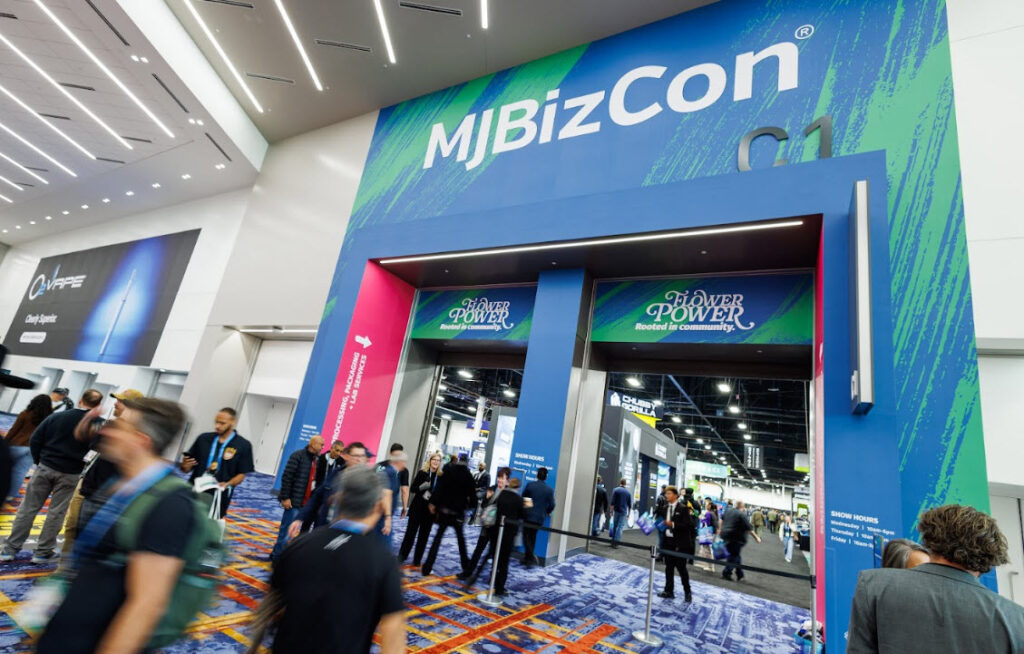
Which is exactly why MJBIzCon stands out. Its schedule, every attendee’s primary means of navigating the conference, is packed. Organizers expect 20,000 attendees to browse more than 800 exhibitor spaces, listen to over 70 hours of educational content, and mingle at 100 networking events.
But if simply attending the conference requires planning, setting it up is a Herculean task, says Harrison Radie, vice president of sales at MJBiz.
“Producing this show is a massive undertaking, but it’s driven by a passionate team that genuinely cares about the industry and the community we serve,” he says. “Each year we focus on evolving MJBizCon to provide more value for cannabis professionals at every stage of their career.”
 Radie and the team work 12 months a year to ensure that each event tops the prior one. This time, they’re introducing certification programs that will educate and credential workers across pertinent areas, like product development, operations, strategy, and more. For example, Luvbuds University will teach a “LUVTENDER Certification” course that provides practical information on customer discovery, suggestive selling, upselling, and cross-selling for current and hopeful bud tenders. Or, at a more administrative level, PBC offers both a Level I and Level II certificate in cannabis banking and compliance.
“Beyond certifications, we’re also introducing several new initiatives this year, including earlier registration with longer, lower-cost pricing windows, a new content stage on the Expo Floor, additional states joining our MJBowl competition [an annual ranking of the Most Valuable Products from each location], and a few major surprises we’ll be unveiling this summer,” says Radie.
Changing with the Times
Nearly as soon as cleaners sweep the last bits of detritus from the floors of the Las Vegas Convention Center, Radie and colleagues begin outlining plans for the next event. They go over what worked well, what was missing, and what could be expanded to fit the needs of the industry better.
“As the industry has matured, the event has increasingly focused on delivering year-over-year value, introducing new education formats, deeper networking opportunities, and specialized initiatives designed to support a more sophisticated and competitive market,” Radie says. “One of the most exciting developments this year is the introduction of certification programs, which give attendees tangible credentials and skills they can apply immediately in their businesses.”
 For a different kind of niche education, the conference has expanded its popular State Takeovers series, which hyperfocuses on the quirks and regulations that concern specific locations and demographics.
“Cannabis markets vary dramatically by state due to different regulatory frameworks and economic conditions. State Takeovers allow attendees to engage in conversations specific to their local market while also learning from others navigating similar challenges,” Radie says. “It quickly became one of the most engaging networking experiences at the show.”
Niche concerns have come to be a core concern in the cannabis space. And while the conference emphasizes the international and national connections that growers, retailers, and manufacturers can make happen, its focus on bringing together smaller communities has intensified to keep up with the times. After a successful pilot of the State Takeovers concept in 2023, organizers have put effort into increasing its impact every year since.
“Last year, we expanded the initiative to include community groups such as Jews in Weed and Cannabis Noire, bringing additional perspective and voices into the conversation,” Radie says. “This year, we are adding additional state meetups, including Oregon and South Dakota.”
Origin Story
Conferences aren’t organic things that spring to life while no one’s paying attention. But even by traditional standards, the journey that brought MJBizCon to life is far from ordinary.
In 2011, following the initial rapid spread of medicinal marijuana laws in the U.S., a group of entrepreneurs in Denver founded MJBiz as a B2B news outlet covering the legal cannabis industry. It aimed to become the nation’s central hub for credible, useful information to help the industry grow.
The following year, Colorado legalized recreational usage, and, capitalizing on the momentum, the first MJBizCon welcomed 400 guests to its home city.
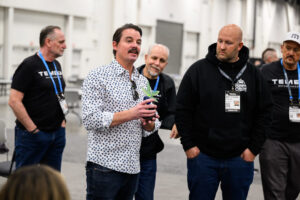 “Since then, it’s grown alongside the industry itself,” Radie says. “What started as a relatively small gathering of pioneers has evolved into a global business platform attracting tens of thousands of professionals from across the cannabis supply chain.”
Now that organizers expect an audience 50 times greater than at their first conference, the event has to change. As everyone from industry veterans to fresh-out-of-college hopefuls treks to Vegas, the team behind MJBizCon works to ensure that professionals at all levels can find relevant, useful information.
“For newcomers, programs like the Know Before You Go Webinar and the First Timers Networking Event help attendees navigate the conference and connect with peers who are also new to the industry,” Radie says. “For more experienced professionals, MJBizCon offers curated networking opportunities, invite-only gatherings for senior leaders, and a hosted buyer and matchmaking program that connect based on specific business needs. Whether someone is entering the cannabis industry for the first time or has been building businesses for a decade, MJBizCon creates opportunities to learn, connect, and grow.”