As the saying goes, “Size isn’t everything; it’s how you use it.” But get your mind out of the gutter. We’re discussing trade shows here.
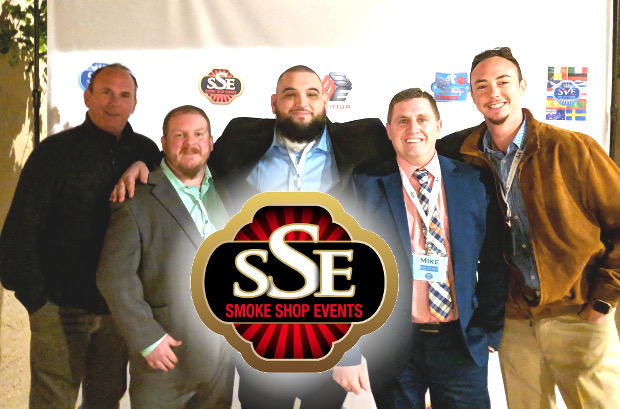
Six years ago, Mike Sessoms and his partners at Smoke Shop Events put all of their chips behind this notion. In retrospect, it was a smart bet, but it wasn’t the easiest pitch at the beginning. When they first showed up in the space, there was only one model for competing trade shows—and that was to pack in as many booths and buyers as possible. To this day, that’s still the standard, though there’s not much in the way of competition.
There’s CHAMPS and then there’s the shows that wish they were CHAMPS. Overall, we’re mostly glad that this is the arrangement. We don’t need a divided industry.
But herein lies the brilliance of Smoke Shop Events; they’re not competing. Their model eliminates the zero-sum game and allows them to exist outside the long-established paradigm. The difference? The standard booth shows live and die on the sword of accumulation; SSE survives and thrives on the concept of curation.
“If you’re looking for volume,” Mike asserts, “then by all means, go to the booth shows. If you want long term business and personal relationships, come to our show.” On one hand, he couldn’t have summed up their niche more perfectly.
On the other, there’s a slice of unintentional irony in his choice of words in that SSE’s entire function is to pair vendors who can handle volume with the buyers who can truly afford it. For boutique gifts, go to CHAMPS. For a boutique experience, attend SSE. Whether it was their intention or not, the arrangement is nearly symbiotic, and it’s why they’ve succeeded where others have failed.
“Don’t get me wrong,” Mike quickly adds, “the booth shows are great. We go to them ourselves. I’m just giving you the differences.”
The magic lies in the format. There’s no “spray and pray” here; none of the “build it and they will come” mindset employed by the traditional booth shows. Every aspect of the event is carefully engineered to elicit maximum results with maximum efficiency.
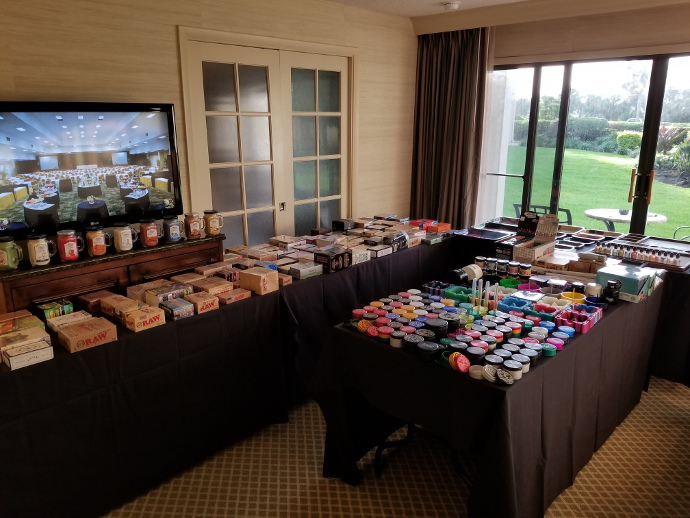
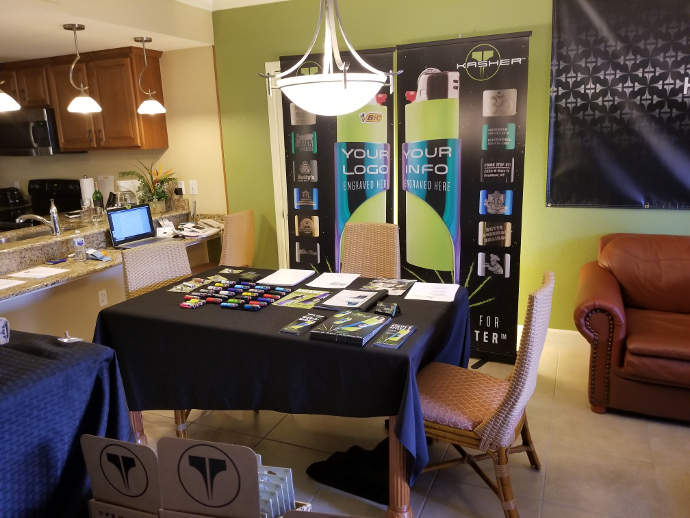
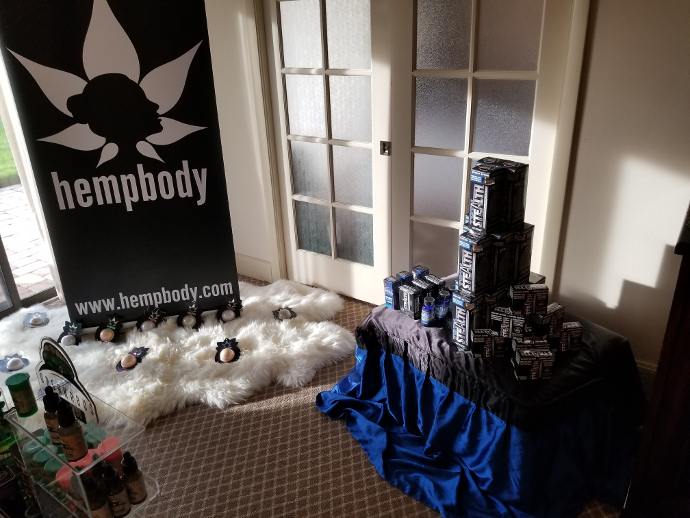
Everyone stays at the same resort. Everyone eats breakfast, lunch and dinner together. Instead of a hall full of booths, there’s a hallway full of suites. As a vendor, there’s no randomness or roll of the dice over which buyers you might get to see. You have a 20-minute meeting scheduled with each of them, and with no distractions; no wooks scooting by on skateboards, no booth babes across the aisle baring excess skin, and no show-crashers trying to sell out of their backpacks. You’re in a quiet room, having a one-on-one conversation with pre-qualified buyers on a leather couch. If the experience was any more intimate, you’d be doling out cab money in the morning.
Gauging purely by numbers, the formula works. “At our show in January, there was literally three million dollars worth of business written in a two-day time frame, between only 31 exhibitors,” Mike reports. “That’s an average of nearly $100,000 per exhibitor.”
“We do everything in our power to ensure the success of our manufacturers,” he continues. “I don’t just throw you a booth and say good luck. We have programs designed for our exhibitors to succeed.”
One of those programs is a raffle where the buyers stand to win such possible prizes as an Xbox One, a pair of Beats by Dre, an iPad, or even a vacation package for two. “It’s all built into the cost of the show and it doesn’t cost anyone anything,” Mike qualifies. “If you place orders, you’re entered into the drawing.”
This naturally draws us to an important point that shouldn’t be overlooked. This model doesn’t just benefit the vendors. It’s designed to equally benefit the buyers, and those prizes are barely even the proverbial cherry on the sundae. Imagine it. No aching feet after day of hiking miles across concrete. No interruptions while you’re negotiating your price. No pinballing across Vegas to catch up with colleagues after hours. No wasting your time on fly-by-night vendors who had to dig change out of their couch to cover their booth. Everything is convenient, everything is covered, and for qualified buyers, everything is FREE, from flights, to lodging to meals. And just in case the idea of joint meals gets you worried about your dietary restrictions, know they’ve got that covered too.
“We send off emails to all of our attendees prior to the show, asking very specifically if they have any special needs when it comes to food,” Mike states proudly. “We accommodate everybody and anybody.”
“That’s all great, but it can’t last,” you might be thinking to yourself. “Growth is inevitable. Eventually, the show will get to big and just turn out like all the rest.” Mike has an answer for that too.
“We grow horizontally, not vertically.” What he means by that is rather than endlessly expanding the existing shows, or adding more dates and locations, ad nauseum, they’ll grow by franchising into peripheral industries. As it stands now, they’ve already applied their formula to the realm of vape shops, CBD, dispensaries and oddly enough, pet shops. The beauty of their formula is it works in any trade where there’s serious business to be conducted.
One additional way they’ve managed to grow without losing the core of who they are is what they call the “Power Hour.”
“It’s similar to traditional convention hall shows because you’re setting up a booth in a banquet hall,” Mike explains. “However, it’s different in a sense that there are eight-foot divider walls so you can’t see the booth next to you and these are pre-scheduled, ten-minute meetings with each buyer, one after another. It’s still our unique speed dating format.”
They ran their first beta test of the Power Hour at their January show, and by Mike’s account, it was a huge success. “The buyers loved it,” he says, enthusiastically.