



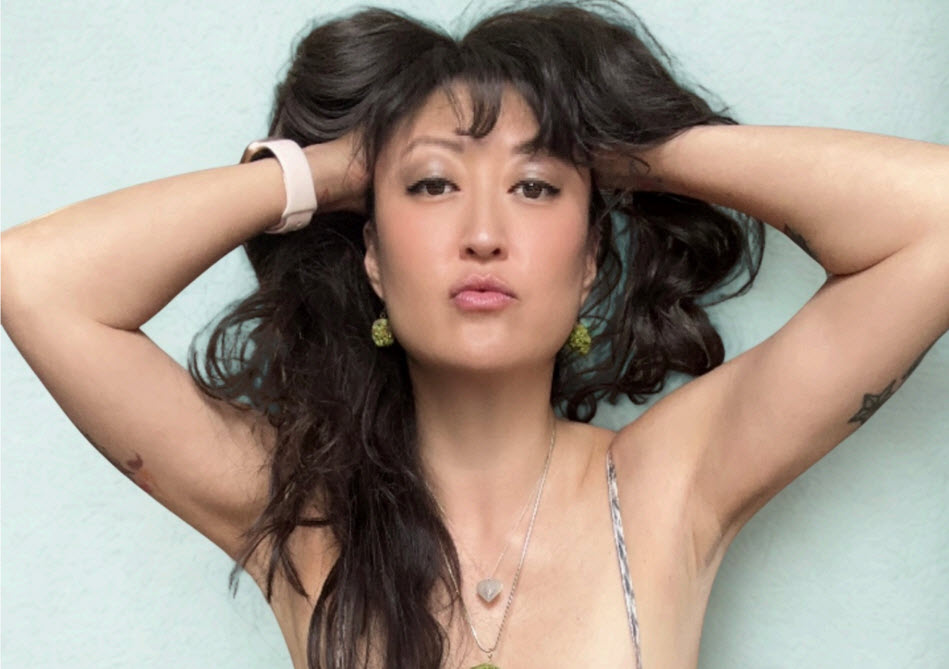
For Asia Cannario, the War on Drugs is especially personal. Like many people, she started using cannabis as a teenager and got into selling cannabis in her 20s in Baltimore, Maryland, long before any legalization efforts grew teeth. “It really wasn’t okay back in the day when I was growing up,” she says.
Her life changed entirely in 2002 when she was arrested for selling marijuana after falling victim to a deep undercover sting operation. All of a sudden, she was facing up to 45 years in prison. “My first thought was, ‘What do you mean, 45 years? This is just weed!’” Asia recalls. When the cops served Asia her papers in jail, she remembers seeing the two undercover cops who she’d thought were her friends for the past six months. “They couldn’t even look me in the eye. The whole thing was out of a movie,” she says.
With the help of some hometown connections and a good lawyer—Asia’s neighbor, Linda Tripp was a prominent player in the Monica Lewinsky and Bill Clinton case—Asia ultimately got off with only one felony charge and three years of supervised probation as a result of the 18-month trial. “The weight of that possible sentence has always stuck with me,” she says. “I told myself, ‘If I don’t go to jail, I’ll never waste this.’”
Years later, when the Farm Bill was passed in 2018, legalizing CBD in the United States, Asia knew it was time to make good on that promise. “I’d just been waiting for that kind of moment to step into the light,” she says. Asia has a passion for educating people about cannabis and advocating for the plant. She uses her background in entertainment and marketing to blend cannabis culture, art, and fashion together. One of her signature products is the bud chain, a necklace with a pendant made of real, colorful hemp bud, which she creates in collaboration with a medical patient who hand-crafts each necklace. “We’re recycling the plant and raising awareness at the same time,” she says.
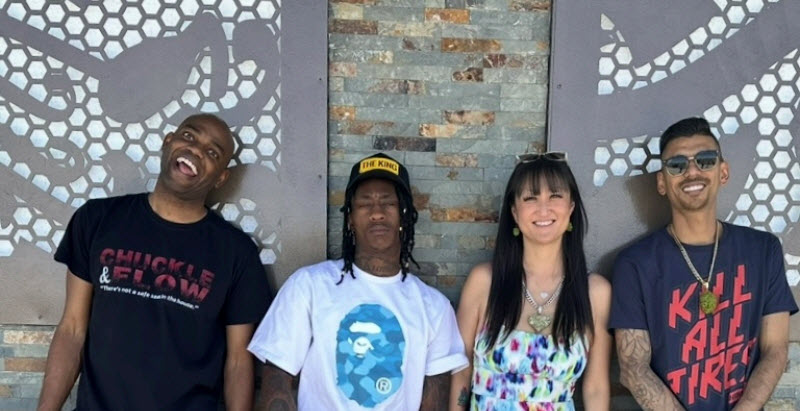 But her work doesn’t stop at creating pretty products — even though they are great conversation starters — and she never takes her freedom for granted. “Even in the cannabis industry, I talk with people every day who don’t realize people are still locked up [in prison] for dime bags,” she says, noting that a friend who got arrested with similar charges is still in prison today.
Education is a key component of her work, and she strives to uplift organizations helping cannabis prisoners, specifically the Last Prisoner Project and Freedom Grow. “I love what they’re doing,” she says. While Freedom Grow helps cannabis prisoners who are still incarcerated by sending them books and helping them send their moms flowers for Mother’s Day, the Last Prisoner Project offers legal intervention and direct advocacy support to help cannabis prisoners get home sooner.
Always inspired by the intersection of art, justice, and cannabis education, Asia is especially excited about a new product from Vibes Rolling Papers called Release Papers, which not only burns well but also works to release the unjustly incarcerated. More than just rolling papers, each sheet features the name of an incarcerated person, the phone number of their parole board, a handy script that guides callers through the process of submitting a bid for a pardon, and a QR code to learn more. “It’s educating people without anyone realizing they’re being educated,” Asia says. “It’s genius.”
“A lot of people in the cannabis industry are really young and don’t understand the struggle,” Asia says. “I want to get down to the nitty-gritty things where it’s not so cute. Girl, you have no idea what we’ve been through.” Asia especially wishes people were more educated on the mental and physical benefits of cannabis, including how it interacts with our body through the endocannabinoid system. “Do you know how cannabis can unlock receptors in the brain and help you bring balance to your body?” she asks. “As far as the industry goes, we are failing at giving vital information. It’s not just about cool, cute products. We also need to be talking about the benefits of the plant. It’s about education and advocacy, too. I know what sells, but you can still add educational value.”
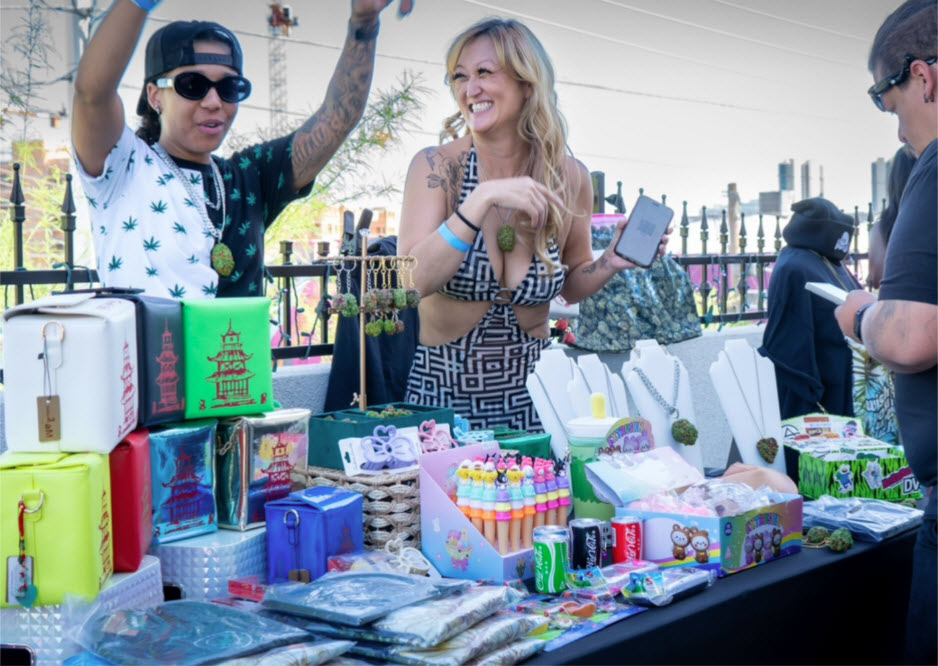 In that vein, Asia is currently preparing to rebrand and relaunch some of her products, including rolling kits and Bud Crumb’s unique and beautiful jewelry. “I’m really excited for the next six months,” she shares. “We’re in the final steps of production to be fully ready to launch soon.” As part of this launch, Asia will donate a portion of her sales to Freedom Grow, and she is also dreaming of other ways to collaborate. She wants to keep raising awareness about the benefits of cannabis and the harm the drug war continues to inflict. “My company is made up of artists and entertainers,” she says. “In the next few years, I’d love to build an art council to really bring cannabis, education, and the arts together.”
When asked where she wants to see the cannabis industry move, Asia’s answer is simple. “I want everyone out of jail,” she says. “That’s number one. No one should be in jail for something that’s helping people. Those of us who are out… we are so blessed. My life could’ve been so different. We might not have everything we want, but we’re so blessed.”
Do you know a powerhouse woman making waves in the cannabis industry? Whether she’s leading, innovating, advocating, or inspiring, we want to hear her story! Our Women in Cannabis spotlight celebrates the trailblazers, changemakers, and unsung heroes shaping the future of the industry. Nominate someone who deserves the recognition—because their work deserves to be seen! Submit your nomination now, click here!











