



Here’s the play for 2026: be a culture hub, not a commodity counter. We are in the era of experiential marketing and businesses. This is the right time to pivot to selling more than rolling papers and pipes.
The shops that will stand out this year are those that curate a lifestyle that blends adjacent scenes (wellness, alt-sports, design, and nightlife) and give people a reason to hang out, discover, and come back. You need to create a “destination retail” with experiences, demos, and community touchpoints layered into the floor plan.
Why now? Consumer tastes are shifting fast toward wellness, sober-curious and functional drinks, and higher-quality, values-driven goods. Basket-building is becoming the growth engine for innovative retailers.
Jeremy Riviera puts it succinctly: “Expand your product range based on direct customer feedback, which lately indicates a strong desire for variety. Real-time adaptability will ensure your company can weather economic shifts while staying relevant.”
Stocking beyond-the-obvious categories lets you ride those trends and increase attach rates per visit.
Additionally, the legal landscape for hemp and cannabis remains twitchy, another reason to diversify and future-proof your mix. The 10 categories below are a blend of what’s moving in retail now and what’s poised to pop next.
10 Off-the-Beaten-Path Items
Functional Mushroom Beverages
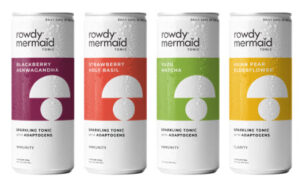 Functional mushroom beverages sit at the intersection of wellness and the sober-curious movement, delivering adaptogenic and nootropic blends for steady focus and energy.
Stock brands like Odyssey Elixir and Mud\Wtr tap psychedelic-adjacent curiosity without legal risk. Test small by trying one mini-fridge or shelf, 4–6 SKUs, and light sampling. Track the attach rate and sell-through.
Non-Alcoholic THC & Adaptogen Cocktails
Non-alcoholic THC/adaptogen cocktails speak to the sober-curious nightlife and wellness trend.
Pilot a mini-cooler with 4–6 SKUs from THC seltzer leaders like Happi and Cycling Frog, alongside adaptogenic standouts Kin Euphorics and De Soi.
Market it as “night-in upgrades,” offer light samples, and keep an eye on local compliance.
Designer Incense & Aromatherapy Sprays
Designer incense and aromatherapy sprays are popular for wellness, nostalgia, and ‘vibe curation.’
Curate elevated scents such as sandalwood and limited collabs alongside cult labels like Byredo, Bodha, and P.F. Candle Co.
Test with one endcap, 4–6 SKUs. Validate demand with younger Gen Z renters, home-studio creatives, and apartment dwellers.
Glass Art Collectibles
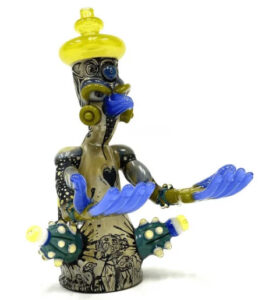 Micro-run glass art is the head-shop equivalent of a sneaker drop: limited, hyped, and downright collectible.
Team up with local artists for pop-culture collabs, add QR-code provenance cards, and spotlight pieces near the countertop.
Start small with 6–12 units, tier your pricing, have preorder lists, and create a buy-back safety net for first-time buyers.
Sleep & Recovery Supplements
Sleep & recovery are booming, especially as more people adopt active lifestyles.
Stock hemp-based blends with CBN plus magnesium or L-theanine in gummies and drink mixes. Start with trusted movers like Charlotte’s Web, Wyld, and CBDfx.
Position them as wellness, not “stoner,” and be mindful of state rules and labeling.
Smart Storage Solutions
Smart storage is the stash-box glow-up: app-locked safes and humidity-controlled cases that keep terps fresh and prying eyes out.
Standout brands in this category include Keep’s app safe, Stori’s modular system and app, Cannador or CVault with Boveda packs, and luxe Apothecarry.
Adult Games and Party Gear
Adult games are the hang-crew magnet. The cheeky card decks, dice, stoner Jenga, and ready-made party kits turn a smoke session into game night.
Keep the price under $25 and offer premium merch at checkout. You can also bundle with cones or rolling trays. These are perfect impulse buys for groups, birthdays, and housewarming gifts.
Herbal Smoking Blends (Non-Cannabis)
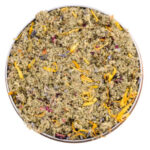 Herbal smoking blends are a mellow, nicotine-free alternative for ritual lovers. Who doesn’t enjoy some downward dog and bergamot?
Stock herbs such as lavender, damiana, and mugwort in loose and pre-roll formats. Label clearly as “nicotine-free and cannabis-free,” and merchandise near rolling papers or filters.
Offer a sample sniff jar and bundle deals to convert sober-curious shoppers and those who are trying to quit nicotine.
Energy & Mood Gummies (Non-Cannabinoid)
Energy & mood gummies are a functional-candy upgrade with no THC. Pair L-theanine with caffeine for soft productivity and focus; try saffron and 5-HTP for good vibes.
Merchandise these at the checkout with some samples, and watch attach rates climb with sober-curious shoppers, afternoon slump survivors, and regulars.
Psychedelic-Inspired Fashion Accessories
 Psychedelic-inspired accessories are cheap, loud, and badge-worthy. You can stock socks, hats, enamel pins, and trippy patches that shout identity.
Curate micro-collections with local artists, rotate seasonal drops, and display on a spinner rack by checkout.
Test 20–40 units across price tiers, bundle with stickers or lighters, and entice impulse buys with “mix-and-match” deals.
Curate the Next Wave, Not the Last
If 2026 has a retail mantra, it’s this: surprise them. Stock a few “didn’t-know-I-needed-it” gems and watch baskets swell. Let culture steer the mix: wellness, sobriety, psychedelics, nostalgia, and borrow heat from brands already pushing edges.
To safeguard your cash flow, start small with 4–6 SKUs per bet, sample lightly, track attach and sell-through, then rotate fast.
A well-crafted, story-led strategy, paired with the right products, can unlock new revenue streams and crown your shop as the neighborhood’s go-to culture hub.
Need help resetting your inventory before the end of the year? Check out our “Inventory Reset 2026: Close-Out Strategies That Protect Profit” article!











