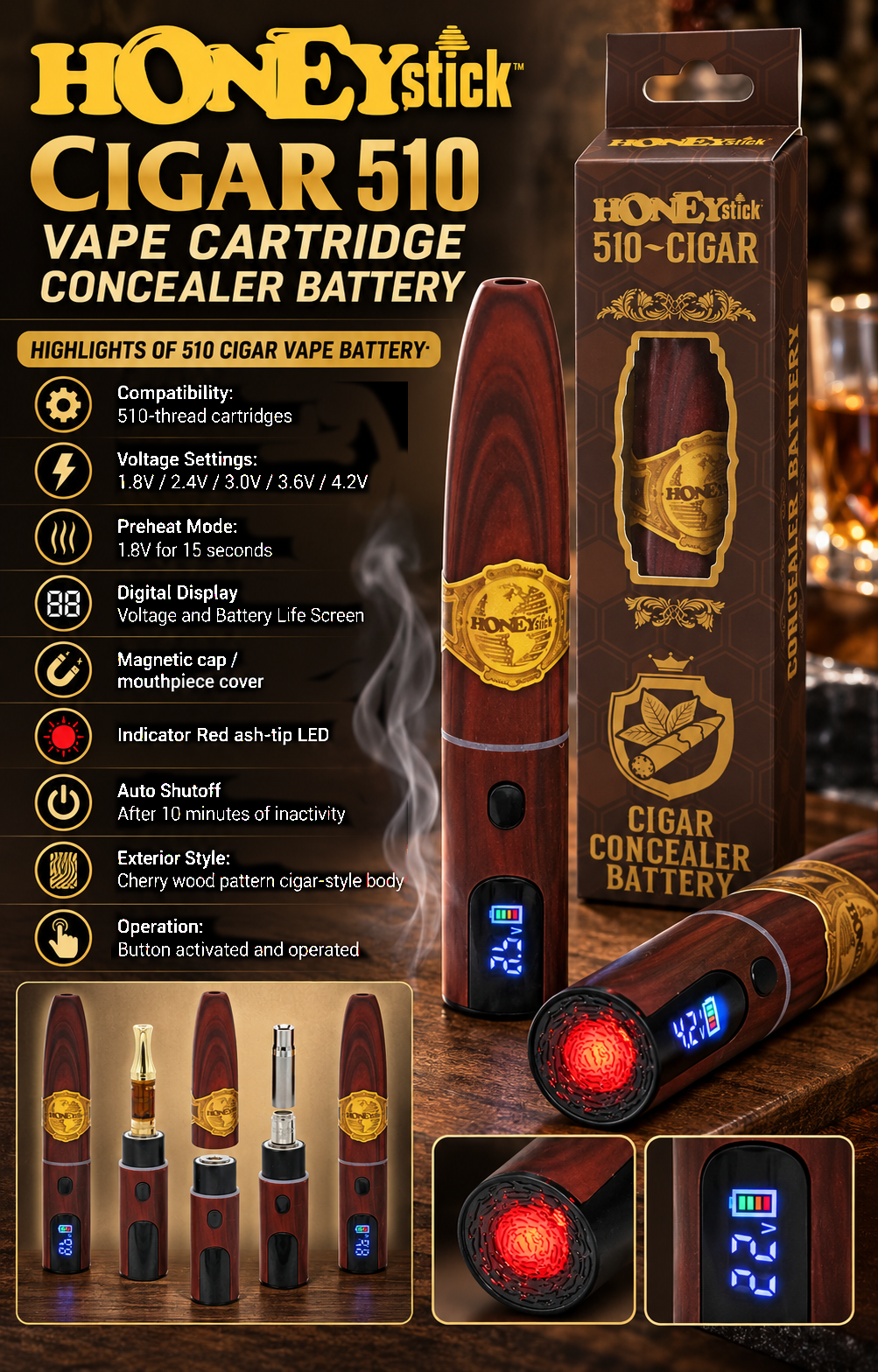
Online sales of e-cigarettes and other vaping products are undergoing a monumental shift in the United States. The Preventing Online Sales of E-Cigarettes to Children Act — passed in December 2020 as part of the 2021 Consolidated Appropriations Act — amended the Prevent All Cigarette Trafficking (PACT) Act by expanding the original definition of “cigarette” to encompass electronic nicotine delivery systems (ENDS). In addition, the amendment’s definition of ENDS products appears to extend to zero-nicotine e-liquids, as well as marijuana, cannabidiol (CBD), and hemp vaping pens and e-juices. As the PACT Act amendment prohibits shipping ENDS products directly to consumers through the United States Postal Service (USPS) and places other stringent restrictions on remote sales of these products, this legislation significantly impacts merchants selling online and the payment service providers that work with them.
The Original PACT Act
Passed in 2009, the PACT Act originally amended the Jenkins Act of 1949: legislation designed to fight illegal tobacco sales and tax avoidance by obligating interstate distributors to report cigarette sales to state tobacco tax administrators. The PACT Act beefed up this legislation by prohibiting the use of the USPS for direct-to-consumer cigarette and smokeless tobacco deliveries. Furthermore, the PACT Act requires cigarette and smokeless tobacco retailers to register with the Bureau of Alcohol, Tobacco, Firearms and Explosives (ATF) and with the tobacco tax administrators of the states in which they are advertising and/or shipping products. The PACT Act also requires direct-to-consumer shippers of these products to label packages as containing tobacco, to use a non-USPS delivery service that checks identification and procures an adult customer signature at the time of delivery, and to maintain delivery sales records for four years after the date of sale.
Failure to comply with the PACT Act can drastically affect business opportunities, as the legislation also mandates that the ATF maintain a list of noncompliant entities; the ATF distributes this list to common delivery services, credit card companies, and the USPS, which are barred from delivering products sold by companies on this list.
Changes Under the Amendment
Because the 2020 PACT Act amendment incorporated ENDS under the act, these products join cigarettes and smokeless tobacco as being prohibited from shipping through USPS. Moreover, the amendmentspecifically defines an ENDS product as “any electronic device that, through an aerosolized solution, delivers nicotine, flavor, or any other substance to the user inhaling from the device.” This definition leaves the door open for federal authorities to levy action against noncompliant merchants processing for remote sales of any vaping product, including non-nicotine, marijuana, cannabidiol (CBD), and hemp e-liquids and vaping pens, as well as components, parts, and accessories of ENDS products.
The new requirements outlined in the PACT Act amendment for ENDS distributors went into effect on March 28, 2021. Some of these requirements, such as the tobacco warning labels on packages or the adult signature upon delivery, only apply to retailers that sell these products directly to consumers. However, the registration and reporting conditions outlined in the PACT Act apply to all sales of ENDS, cigarettes, and smokeless tobacco products, including business-to-business sales. To prepare for the new compliance procedures, the USPS has been given until April 27, 2021, and ENDS businesses should expect the USPS mail ban to go into full effect around that date.
Both Federal Express (FedEx), the United Parcel Services (UPS), and DHL have likewise announced that they will cease direct-to-consumer delivery services of vaping products. As FedEx and the UPS are the most commonly used carriers after the USPS, this may leave vaping companies that process remote sales scrambling to find alternatives, with many exploring private delivery services as an option. Even if viable alternatives are identified, the sellers will have to comply with stringent requirements; failure to comply with the PACT Act can result in monetary fines ($5,000 to $10,000 per infraction) and criminal penalties.
Regulatory Scrutiny of ENDS Products
Although not directly related to the PACT Act amendment, the Food and Drug Administration (FDA) has issued many warning letters to ENDS companies in 2021 for violating the Federal Food, Drug, and Cosmetic Act (as amended by the Family Smoking Prevention and Tobacco Control Act) for peddling ENDS products that did not receive the required premarket authorization from the FDA. The requisite premarket tobacco product application is meant to prevent tainted and potentially dangerous ENDS products from flooding the US market, and products that have not received premarket approval from the FDA are considered adulterated and misbranded. Included in the FDA’s recent actions were warning letters issued to 10 manufacturing firms for offering ENDS products without the required premarket authorization.
Though CBD vaping products are exempt from the FDA’s authority over ENDS, another recent warning letterdemonstrates the FDA’s concerns with these products. Though primarily focusing on the manufacturer’s impermissible disease claims, the FDA also specifically states that CBD vaping products “are particularly concerning to the agency because the ingredients and potential impurities in oral inhalation products may trigger laryngospasm and bronchospasm and may be toxic to the tissues in the upper or lower airways.” Until this letter, the FDA has been silent regarding CBD vaping products.
ENDS manufacturers and online merchants are bound to experience significant changes to their businesses this year, and it’s important for payment service providers to stay abreast of regulatory actions against ENDS companies in the coming months to see how compliance with the 2020 PACT Act amendment is enforced.
Want to learn more about ENDS products and how they are regulated? Download LegitScript’s Vaping and E-cigarettes FAQ (https://www.legitscript.com/dl/vaping-and-e-cigarettes-faq/?utm_campaign=pact-act-blog-post&utm_source=legitscript&utm_medium=webpage&utm_content=vaping-faq&utm_term=)