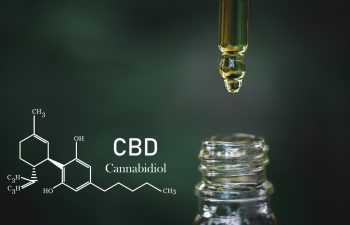
While CBD and Delta-9 THC (usually just referred to as THC) are undoubtedly the most well-known cannabinoids, Delta 8, a naturally occurring minor cannabinoid derived from hemp, has suddenly exploded as the latest cannabis trend.
Currently, 17 states have legalized the recreational use of marijuana, yet Delta-8 THC itself is more readily available and believed by its proponents to be technically legal thanks to the 2018 Farm Bill which explicitly legalizes all hemp-derived cannabinoids, extracts and derivatives. Cannabis industry analytics company New Frontier Data reported that Delta 8 had sales of at least $10 million in 2020, and is usually the case with hot products, vendors feverishly jumped onto the bandwagon.
Unfortunately, many of those vendors have flooded the market with low-quality Delta-8, rushing their sourcing and distillation processes to meet consumer demand. The result is often ineffective and substandard products.
Kush Kolectiv, created to fill that void in the Delta-8 space, modeled their brand like companies in the medical cannabis space, ensuring consumers of products that meet safety and quality standards. Raw materials, terpenes, and distillate are sourced from industry vetted suppliers and are third party tested to ensure potency and screened for pesticides. heavy metals, mycotoxins and solvent residue. Producing products in small batches allows traceability from seed to sale. According to Vuong, less than 1% of the, of Delta-8 brands on the market have this ability.
“With so many players in the market, we wanted to make sure that we were able to offer unique products that fit the needs of the customer, rather than being just another brand that came across as the fad of the week,” said Barry Vuong, Kush Kolectiv president and co-founder.
“Myself and my partners are also educating ourselves about medical cannabis, so that we have a solid understanding of the nuances surrounding the products and production processes, not just the science behind them, but also how to get products to market and build relationships with retailers and consumers,” continues. “We haven’t taken one penny out of the company yet because our focus has been making sure that the quality is there and that we’re acting responsibly.”
According to Vuong, Kush Kolectiv has stepped fastidiously into Delta-8 space, concentrating on research and development with a progressive product launch. Delta-8 disposables continue to be their most popular product followed by cartridges and flower, Kush Pen Disposables, each containing 1000mg of premium Delta-8 distillate, are available in Strawberry Cough, White Runtz, Watermelon Zkittles, Banana Runtz, Slurricane, and Purple Gelato strains. 1000Mg pre-filled cartridges include Girl Scout Cookies, OG Berry Kush, Purp Gelato, Runtz, Sour Diesel and Sunset Sherbert. A wide variety of popular strains are sold as premium hemp flower (packaged in 8mg zip-sealed mylar pouches) and individual 1g prerolls.
Delta-8 edibles are still fairly new within the market. Along with the typical fruit flavored gummies, Kush Kolectiv is one of the first to offer Delta-8 infused chocolates — each individually foil-wrapped square, in hazelnut, marshmallow, mint, caramel, and milk chocolate, contains 25mg of Delta-8 THC.
“Who doesn’t like chocolate?” Vuong says. “There’s also a scientific factor with the fat content of chocolate that helps to pronounce the effect within the digestive system.”
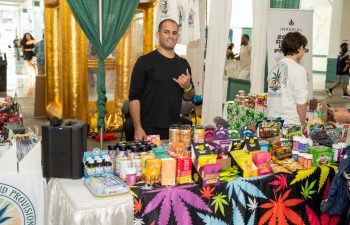
Kush Kolectiv puts as much attention into product packaging as they do product quality. The goal, says Vuong, is designing packaging that is pleasing to the eye with poppy colors, but also reflects the brand’s responsible approach. Each package is labeled with a batch code that leads to official certificates of analysis. The brand also facilitates product education for both retail staff and customers with point of purchase displays and informational packets and website blog posts.
Even with a quality guarantee, retailers are still concerned about the legalities surrounding Delta-8 products. A few states, including Alaska, Arizona, Arkansas, Colorado, Delaware, Idaho, Iowa, Mississippi, Montana, Rhode Island, and Utah, explicitly ban its use, even if companies obtain the compound directly from natural hemp. Luckily, the majority of states have taken the necessary steps to remove hemp derivatives from their controlled substances list, making Delta-8 legal within their borders.
Vuong likens issues about Delta-8 to the same ambiguity that lawmakers felt about CBD when it came on the scene. At first, many saw CBD as just another cannabis derivative, but now it’s readily available in every corner drug store, even supermarkets and airport gift shops.
“Everybody has heard about Delta-8, and awareness and knowledge are increasing, but state and local lawmakers are playing a cautious hand because they don’t fully understand it,” Vuong says. “That’s going to continue until we have more unified federal stance on cannabis in general.”
“There’s an inherent level of risk whether we’re talking about cannabis, CBD, Delta-9 or Delta-8,” Vuong adds. “We understand the retailers’ cautious point of view, and we make it a point to stay ahead of the industry from a regulatory standpoint. Our goal is to be able to meets the future needs of the retailers and consumers, while at the same time being mindful of evolving laws surrounding Delta-8 products. We do everything we can to minimize the risk to the retailers.”
“We believe Delta-8 has value for consumers, and whether they are using it recreationally or medicinally, they are growing the demand,” Vuong continues. “There’s huge potential with Delta-8 and huge sales to be made.”