by Norm Bour
It’s bigger than Christmas; bigger than New Years, and bigger than all the summer holidays combined. We’re talking about April 20, or, as we call it, 4/20 day. It actually has a documented history and has been around since 1971, and refers to 4:20 p.m. in the afternoon, which is when a bunch of California high schoolers decided to meet up and get high 51 years ago. High Times magazine picked up the story in 1991, the custom spread, and the rest is history.
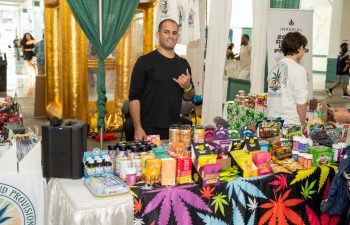
For our smoke shop industry it’s a combination of sizzle—the buzz—and the steak, ie, the actual BUSINESS of making a lot of money on a day when people want to smoke cannabis—and buy your products.
What do YOU do for 4/20 day? Some industry experts shared.
Drake Fischer with Durity Distro in Idaho compares it to the traditional Black Friday shopping day after Thanksgiving.
“We normally run really aggressive deals most related to the cannabis side of our business, like wraps, cones, glass accessories and cleaners. These are low cost items to bring people through the doors, then we entice them with other 4/20 deals, plus we have special pricing for our loyal shoppers. We do different things each year—they all work—but we like variety.”
Keelan Gallagher and his family run Smoker Friendly, the largest smoke shop chain in the country, and they have a lot at stake.
“Since we’re in several states we have to tailor our offers accordingly. Glass pipes, grinders, and other accessories apply to the states with recreational cannabis. Overall we do well with papers, cones, and cigarillos like white owl, but last year the largest spike was hemp wraps, which avoid tobacco tax and tobacco flavor bans. Sales increased 40% that day and we typically get a little lift a couple days prior to 4/20 but not much after.“
Ginny Saville from Botany Bay in Kentucky pulls out all stops and orders lots of 4/20 branded merch ahead of time.
“We do three days of sales and set up carnival games out front. We have a prize wheel and do carny games like ‘pin the joint on Ginny!’ so we all have a great time on 4/20.”
Pierce Wright with Owasso Valley Farms in Tennessee puts things in succinct terms: “We advertise our balls off! One of our prior shops spent 100k on marketing leading up to the date, but it paid off. We create bundles and deals unique to our location that are announced at least a month in advance which allows customers to plan ahead.
But we don’t forget the ‘little things,’ and make sure our customer service on those days is above and beyond which includes assigning a customer service manager who only handles customers with questions. And we 100% capitalize on 4/20 by running the deals until the inventory is gone, so everyone has a chance to get in on them.”
———————————————————–
For some shops 4/20 is not what it used to be, which includes Yan Gleyzer from VGI Brands who says, “We don’t really do anything special, and it’s just another normal day for us. We don’t see the rush of people like we did and It’s more mainstream now.”
Geoff Yalenezian from Brennan’s in Boston agrees. “It’s a great day for accessories, no doubt, but dispensaries have expanded and sell pipes, etc., so they’ve bit into the smoke shops.”
-END-