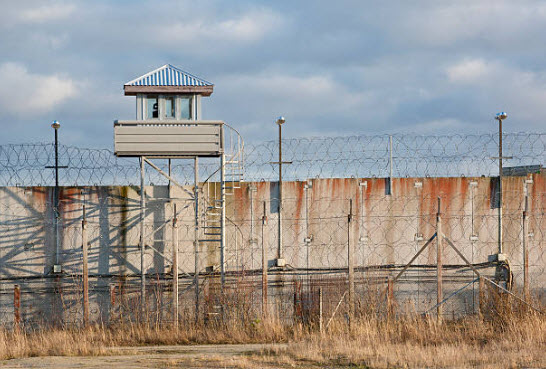
While Mike Wittenberg sat in a Dominican Republic prison, a thought occurred to him. “I could appreciate flushing the toilet,” he said. “When you’re in a third-world jail without running water 23.5 hours a day, you learn to appreciate the little things.”
His 18 months incarcerated outside Santo Domingo couldn’t be further removed from his old life, when he led C3: Counter Culture Convention. What brought him from the high life to life in a foreign prison feels like an episode of “Locked Up Abroad” with a Cheech and Chong twist. It’s the kind of absurdity that would be funny if it weren’t for the consequences.
The simplest explanation, from his point of view, is that he was arrested for a crime he didn’t commit.
The Fall from Grace
During the COVID-19 pandemic, he planned a small C3 convention in Punta Cana, where lockdown rules permitted public gatherings. At first, everything was going fine. Vendors and buyers talked deals and enjoyed the scenery. As the C3 participants were relaxing by the pool, resort staff pulled Wittenberg aside and asked him to sign for a pallet. He slipped on some Crocs and a T-shirt and followed them up front, where a group of men waited with AK-47s trained on him.
The next thing he knew, he was handcuffed in the back of a police car. It was four hours before he was let out, on the other side of the country, and interrogated in Spanish.
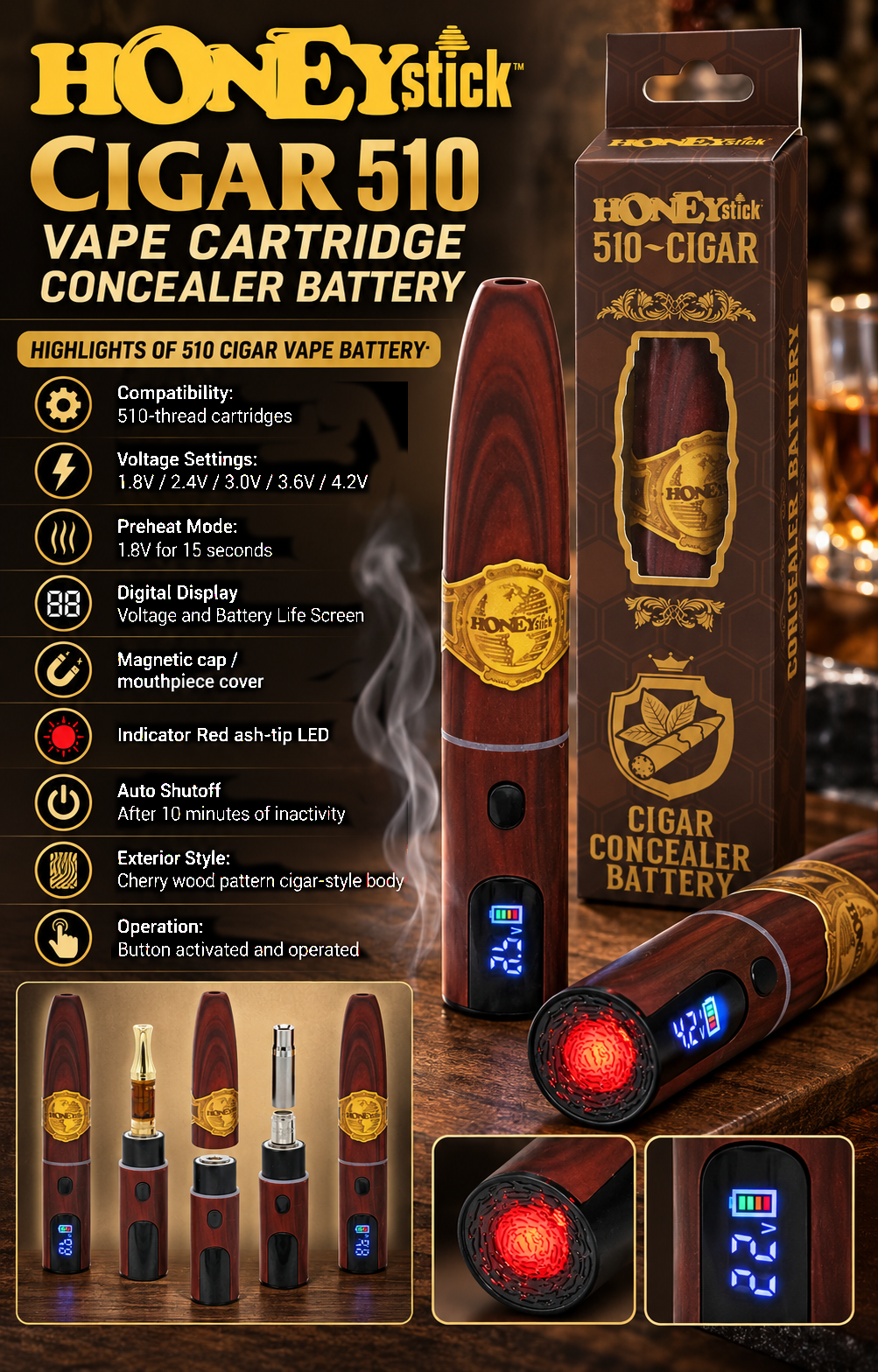
Eventually, Wittenberg learned he was arrested for international narcotics trafficking. The pallet he signed for—a collection of products his vendors had mailed to show buyers at the convention—contained outlawed materials like THC gummies and vape pens. He was facing 20 years.
“I was put in the same category as cocaine smugglers from Cuba,” Wittenberg said. “Here I am, the only white guy in this whole place. I don’t speak the language. And everybody thinks I’m the rich American, even though I had nothing. It was humbling.”
The next day, he was allowed to use the phone. He called home only to learn his mom had been diagnosed with breast cancer.
 Life on the Inside
In the beginning, Wittenberg thought the situation would be over quickly. He didn’t pack the pallet; he was American, he had a good business, and he knew people. He was a Long Islander who was used to talking his way out of things. But as the days wore on, a dark cloud descended. As court appearances were rescheduled and he was carted to a long-term facility, it became clear his stay wouldn’t be as temporary as he hoped.
Jail life was hard. He couldn’t keep the food down, so he subsisted on cookies and crackers he purchased from the commissary. And because the country doesn’t issue uniforms, he spent weeks in his Crocs and shorts before he could afford new clothes. To add salt to the wound, his wife discovered evidence of affairs on his phone and proceeded to exact revenge.
“My second ex-wife took everything I had—all my IP, all my assets, everything. She sold it and gave away a lot of my IP. When I went to jail, I had a great business. I was doing really well, thank God. Life was okay,” he said. “But even that—losing everything—it was all right. What I was concerned about was I didn’t see my kids.”
All told, during his 18 months on the inside, Wittenberg lost his marriage, his business, and about 100 pounds.
“People ask why I didn’t get PTSD, but I didn’t because, once I got out, I could wake up and see my kids. I could wake up and have a cup of coffee. So, at the end of the day, that was a horrible, horrible time in my life, but if I was to have any traumatic stress, it was when I was in there, not when I’m out,” he said.
Friends in High Places
 Wittenberg’s displeasure at the situation is evident, but it also seems strangely muted. What roils him are the friends he lost along the way.
“When I went to sign for the package, I was in the pool with my vendors. But they weren’t even my vendors. We’d traveled the world together. A few had been at my wedding,” he said. “Some knew my kids. They all knew my mom.”
But that was the last time he saw them. One minute, they were in the pool; the next, he was handcuffed and en route to prison.
“Nobody called. Nobody said, ‘Here’s 5,000 bucks to help.’ Nobody picked up the phone when I called,” Wittenberg said.
Could they simply be listening to legal advice, hoping to avoid liability? “No! Fuck that,” Wittenberg says. “What are they worried about? Getting extradited for a vape pen? Forget it. Most of these guys—this industry was built by guys who used to be addicts. They know the rules of the street. It wasn’t made by a bunch of CEOs. And when something like this happens, when somebody takes a bullet for you, the rules of the street say you don’t leave him there. You help him.”
He sees his abandonment as a stain on the counterculture industry. It’s a group that has long styled itself as an antidote to the worst capitalist practices. Wittenberg felt that C3 was part of that community: a company built by regular people who believed in helping other outcasts. Now, he thinks about most of those relationships differently.
“It’s not like everyone was bad,” he said. “I actually did receive a bit of help, but none of it was from my vendors. I received a little bit of assistance from some buyers. They weren’t there, by the way. They just knew me and wanted to help out a bit.”
What’s Next
Wittenberg finally went free after 18 months, thanks to a good lawyer, a little luck, and—he believes—a good word from the president of the D.R.
The easiest explanation for Wittenberg’s debacle is that mistakes were made. Some vendors accidentally sent materials—gummies, THC-laden vapes, etc.—to a country where they’re illegal. Wittenberg says he told them to obey the country’s rules, and he trusted them to do so. Maybe they forgot. Maybe they misunderstood or thought the worst thing that could come of a mistake was a simple fine. 
Whether what happened stemmed from negligence, bad luck, or something closer to willful blindness is debatable. It depends on how much responsibility Wittenberg had for what vendors shipped under his name.
“I’m trying to figure things out,” he said when pressed about the future. Does he plan to sue? Probably. He’s looking into it. Does he plan to get back into the industry? He might. It’s what he knows, after all.
What concerns him now is his life in Florida, where he can see his children (ages 13 and 17) and help care for his mother. In the two years since his release, he’s begun rebuilding the life he lost that day in Punta Cana.
His ideas about the future are simple. He wants to write a book. He’s been making the rounds on podcasts. He still has marketable skills—his businesses were highly successful. Someone could hire him. Maybe one of his friends.