On its face, it makes sense: an anti-establishment asset in a counterculture shop. But the ethical ramifications of cryptocurrency ATMs have divided smoke shop owners, who are increasingly asked to host them.
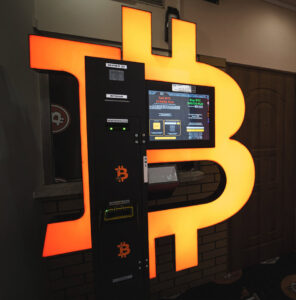
Some see the digital kiosks, which stand five feet tall and take up four square feet of floor space, as sensible ways to make money. Most BTMs (Bitcoin ATMs) offer a stable monthly payment to store owners and a legal, legitimate opportunity to bring in extra business by providing a physical location that can convert cash into crypto.
Others look on them less kindly. The machines charge exorbitant fees, invite scams, and can help criminals launder money. The FBI fielded 11,000 complaints about BTMs in 2024—a 99% increase since 2023—and estimates Americans lost about $246 million last year alone.
The counterculture industry has always lived cheek by jowl with the edge of legality, but crypto kiosks present a new frontier in ethical decision-making. Here’s a quick look at the facts behind the hype.
A Marriage of Similarities
In the past five years, BTMs have flourished across cash-heavy businesses like gas stations, haberdasheries, and liquor stores. But purveyors vastly prefer to install crypto kiosks in smoke shops. Why? The user bases are nearly identical.
About 14% of Americans hold cryptocurrency, according to a 2025 Gallup poll, although most transact their business online. The ones who value the privacy of a walk-up machine tend to look a lot like smoke shop patrons. Customers of both BTMs and counterculture stores skew male, range in age from 18 to 50, and earn middle-to lower-middle-class incomes.
But that’s where the comparisons stop. BTMs’ secondary clientele includes users who aren’t comfortable online, such as the elderly, who often find ATM-style kiosks more welcoming than wading through internet exchanges. In addition, BTMs cater to the unbanked, who have begun to turn to cryptocurrency to safely store their money.
The Benefits of Going BTM
Bull or bear market, BTMs bring in cash. Shops can earn $200-$500 per month just for hosting the machines, depending on location. According to kiosk manufacturers, about 35% of BTM users make a store purchase every time they deposit cash.
However, the choice to install a BTM often comes only partially from financial incentives. Most often, it’s about culture fit. Some smoke shops, especially those in big cities, boast a tech-savvy customer base that views cryptocurrency as part of the counterculture. Some shops allow customers to buy goods with more popular currencies, like Bitcoin and Ethereum, so it makes sense to offer conversion.
While BTMs charge higher fees (up to 30%) than internet exchanges, proponents justify them as the price of true anonymity. Online crypto dealers must adhere to know-your-customer (KYC) laws. These regulations, designed to prevent money laundering, force financial institutions to do their due diligence in collecting information on their customers’ identities. That means recording information such as each user’s full name, date of birth, and address. Most BTMs, aside from those in Texas and a few other places, collect less identifying information.
“I use [BTMs] for the privacy,” said Leith Davis, a self-described crypto investor in Ohio. “I see the fees as the price I pay for not having to deal with KYC. I think nearly every crypto investor now sees their wallet in two ways, with one holding the KYC crypto and the other holding the non-KYC.”
There’s something freeing about spending money that can’t be traced to you, he added. The data suggests he’s right. Increasingly, cryptocurrency has found broader appeal. Square, the payment processing app, recently joined mega-retailers such as Starbucks and Home Depot in adding cryptocurrencies to its checkout options. While optimists have long predicted that a digital currency future is imminent, many believe the Trump administration’s friendly posture (and the Trump family’s personal businesses) will accelerate mass adoption.
When it’s Not Right
While crypto might fund the future, some shop owners see problems in the present.
Law enforcement agencies across the country have raised concerns about BTMs, claiming they’ve become go-to money-laundering spots for drug dealers. Because most crypto ATMs don’t require ID, criminals can deposit cash from drug sales, robberies, or other illicit activities without leaving a trail or raising eyebrows from financial watchdogs.
They’ve also become a favorite vehicle for online scammers. In these frauds, a con artist convinces a mark to deposit cash in a BTM and then sends them the crypto. Crypto is nearly impossible to trace, meaning scammers don’t get caught and victims rarely get their money back.
The scams have become more common as BTMs have proliferated. Matthew Fortin at Upper Limits Midwest Inc. in Springfield, Illinois, saw the trend up close. It took him just four weeks to pull the plug on the BTM installed in his store.
“One hundred percent of the time that we saw somebody at the machine, they were being scammed,” he told the Springfield Business Journal. “So I was like, this machine has to go. I’m not going to be a part of that.”
The association with scams can make for bad optics. While counterculture shops frequently wade into waters condemned by mainstream society, the causes they usually champion—alternative medicine, drug reform, etc.—don’t include cryptocurrency. Some owners fear that hosting a machine invites extra scrutiny.
“I don’t have a problem with anybody using Bitcoin… I don’t think anybody in our industry does. But I’m not sure that I’m the guy to see about doing that,” said one smoke shop owner who asked to remain anonymous. “Believe me, the last thing I want is any more reason for the cops to show up. They already like to hit smoke shops for any reason they want.”
They certainly draw powerful attention. City and state legislators passed a slew of anti-BTM laws in 2025. Cities like Spokane, Washington, and St. Paul, Minnesota, banned the machines outright. Many more restrictions have been passed, such as requiring ID, limiting deposits, capping fees, forcing stores to register with the government, and requiring kiosks to display scam warnings.
How to Find a Verdict
Hosting a BTM requires the kind of business calculus that’s mostly gut feeling. There’s a bottom-line practicality to the endeavor, and those nearly always come with ethical tradeoffs. Before you clear out a space on your showroom floor, it’s worth considering the consequences. You might be on the ground floor of the next big thing, or installing a machine that does more harm than good. The only real risk is not to give the decision much thought.