



You’ve chosen to work in a gray area.
You sell products that contain cannabis or cannabis-adjacent substances as well as accessories that can be used to consume it. And while that area has become less gray—you can see rays of sunlight peeking through—the skies are still cloudy. THC remains a Schedule 1 substance, even as medical marijuana has migrated to Schedule 3.
So how do you stay safe, protecting your business from unnecessary hassles or worse? Hopefully, by now you’ve already been doing the right things. But it’s always good to remind yourself of ways to ensure your company’s continuity or get it off the ground safely if you’re just starting out.
Gatekeep by age
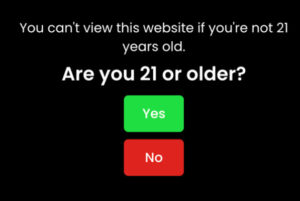 This is an easy one. Make sure your website(s) ask people to verify they’re over 18 or 21, depending on what you sell and where you’re selling it. And at the door of your store or dispensary, have a staff member stationed there to ask for ID. This will ensure you’ve done your due diligence should any legal troubles befall you. It’s a small price to pay for peace of mind.
Scan to be sure
 Speaking of checking ID, verification is crucial to your success, and it’s so easy to do. Make sure when you check ID at the door, you scan the driver’s license or other legal form of identification. It’s the most efficient way to avoid underage sales, and it keeps a record of who has entered your shop in case you get audited for compliance.
Shield the industry
Reputation matters. Our industry started out in the counterculture, which was a feature that came with its fair share of bugs. It attracted a range of people, from those who just wanted to enjoy cannabis or whatever they could pick up at a smoke shop to others with more problematic behaviors.
Now that legalization has taken off, cannabis and head shop products are becoming part of the mainstream. They need to come off as “normal,” for better or worse. Think of the alcohol industry; it has been folded into acceptability for the average person, even if they don’t drink. No one drives by a bar, a liquor store, or a wine shop and feels a frisson of edginess.
So stay off the government’s radar. When it comes to compliance, be boring. And when laws and regulations change, update your business right away. Make it easy for the enforcers, and (hopefully) they’ll make it easy for you.
Another way to protect the industry is to teach customers how to enjoy products sustainably. You want people sharing good experiences, not bad ones. For example, if you’re a cannabis dispensary, teaching new customers to start low and go slow is a great way to build trust and make it more likely you’ll get positive reviews.
Smarten your staff
 How well have you trained your workers? Educating them is a huge step in keeping our industry safe. The people that work for you are the tip of the spear when it comes to informing customers. The more they know about products, laws, and responsible sales practices, the more you can sleep well at night knowing your business is in good hands.
As our industry matures, so must the conversation with customers. Giving the people who pay our salaries informed recommendations builds trust with the community. And it also encourages a culture of safety and responsibility within the shop.
Create community
In the end, you want to be a good citizen. A positive force in your neighborhood. A net-plus that people see as a valuable addition to their community. When you establish your shop as a responsible member of society, it builds trust. When you support local initiatives to promote safe consumption and teach people about cannabis, you let people know you are reliable. And building relationships with local law enforcement and regulators keeps your footing solid.
And that sturdy standing is what will keep our industry safe and strong.
For tips on how to strategically hire and staff your shop, check out this recent article.











