Research shows people will choose businesses and products that support a cause over ones that don’t.
Corporate Social Responsibility (CSR) is a big term used to describe a company’s efforts to improve society in some way. Although CSR will always be grounded in your approach to doing business — from using recycled shopping bags to supply chain transparency (do you sell imported products?) – the stakes have gotten a lot higher.
Key findings from a recent CRS study Include:
* 63% of Americans are hopeful businesses will take the lead to drive social and environmental change moving forward, in the absence of government regulation.
* 78% want companies to address important social justice issues.
* 87% will purchase a product because a company advocated for an issue they cared about and 76% will refuse to purchase a company’s products or services upon learning it supported an issue contrary to their beliefs.
And businesses are listening. No longer is it enough for companies to just promote their services or products, they must also act in a socially responsible manner as well.
McDonald’s just announced that, by 2025 100 percent of burger wrappers, cups, and other packaging will come from renewable, recycled, or certified sources. Coca-Cola has made significant changes to its carbon footprint by investing in trucks powered by alternative fuels. Even LEGO has gotten onboard with their Build the Change initiative — a series of events held around the globe, giving children a voice to tackle various challenges they face.
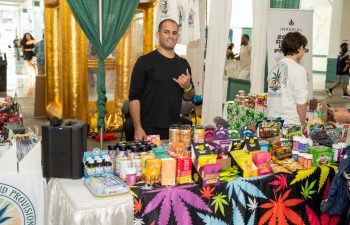
Luckily, for smoke and vape shops, there are a couple of built in social agendas — legalization of recreational and medicinal cannabis and promoting vaping as a safer alternative to traditional tobacco smoking. You can even add in there that as a responsible retailer you fully support enforcement of laws that prevent marketing and selling e-cigarettes to minors.
But riding the coattails of a movement isn’t enough to make a difference — you’ve actually got to do what you say you’re going to do. Remember: your employees, your customers, and the communities in which you do business are watching you closely. They’ll notice right away if you’re not walking your talk.
One of the biggest names in the smoking industry — RAW, makers of undoubtedly the most popular rolling paper brands is an inspiring example of authentic corporate social responsibility. Along with developing innovative products to increase the user experience, RAW takes great pride in its philanthropic endeavors, such as donating millions to build clean water wells in remote African villages. RAW also earned a following by introducing the first vegan rolling papers. Founder and CEO Josh Kesselman can drive any car he wants — and yes, he cruises around in a sleek Ferrari, but in keeping with his earth-conscious activism, the sports car has micro-fiber seats instead of leather.
So where do you start? Here are seven tips you can follow to ensure your business is a responsible corporate citizen.
Start locally
Get behind causes that are meaningful for your business and customers. Recycling is always an easy way to start making an impact on the environment. Another way to clean up the local landscape is by sponsoring a section of highway and volunteering to pick up the trash idiots have tossed out their car windows. Maybe make an event out of it, inviting your customers to participate. Often the state or city will post a sign along that stretch of road saying who is responsible for the cleanup. As a smoke shop that sells glass smoking accessories, you might choose to support organizations that encourage local artists in your community. The idea is to give back to society, while at the same time sending a message about the values of your brand.
Know your customer
When developing a CSR strategy, it is better to address the immediate needs of your customers before you try to solve all the problems of the world. Customer needs often boil down to the most basic of human essentials: safety, belonging and self‐esteem. If you can address these customer needs, you’ll have a customer for life.
Be conscious
One way to boost your customers’ self-esteem is to make the feel good about the products they are buying. This should be simple to do in an industry that already supports sustainable materials (like hemp), fair trade products and organic ingredients. Every consumer survey these days points to the fact that more and more shoppers care about how products are sourced or manufactured. In fact, a lot of them would be willing to pay more for merchandise produced responsibly. Check with vendors to see what products they have that align with your CSR initiatives — RAW/HBI being a great place to start.
Inspire others
When you have your CSR strategy in place, don’t be afraid to publicize your efforts to be socially responsible along with your successes. Again, more and more people are attracted to businesses that operate in a socially responsible way. If you don’t get out the word about your programs, you’ll lose this powerful advantage. Don’t think of it as bragging or even as advertising — by telling your story, you’re setting a positive example and inspiring others to do their part to make a difference.