The cannabis industry has always been defined by authenticity — those in the community live by the mantra “Keep It Real.” The same holds true for developing successful brands.
In today’s fiercely competitive marketplace, having an amazing product is paramount, but being authentic is the way to cut through the haze and be recognized as an industry leader. By individualizing your brand from the competition in a way that’s relevant to your target customers, you can establish credibility and ultimately build the ever-important loyalty element that creates die-hard fans and advocates.
An international survey by Cohn & Wolfe found that 87% of global consumers felt that it was important for brands to “act with integrity at all times,” ranking authenticity above innovation (72%) and product uniqueness (71%) when asked what they valued most in a brand.
When branding your product or company, think about what sets you apart, why a consumer should choose you, and what impression you want to leave on every individual who touches your brand. It’s not enough to have an answer, you have to live it and breath it every day as a company. If you can do that, you can build a valuable, lasting brand.
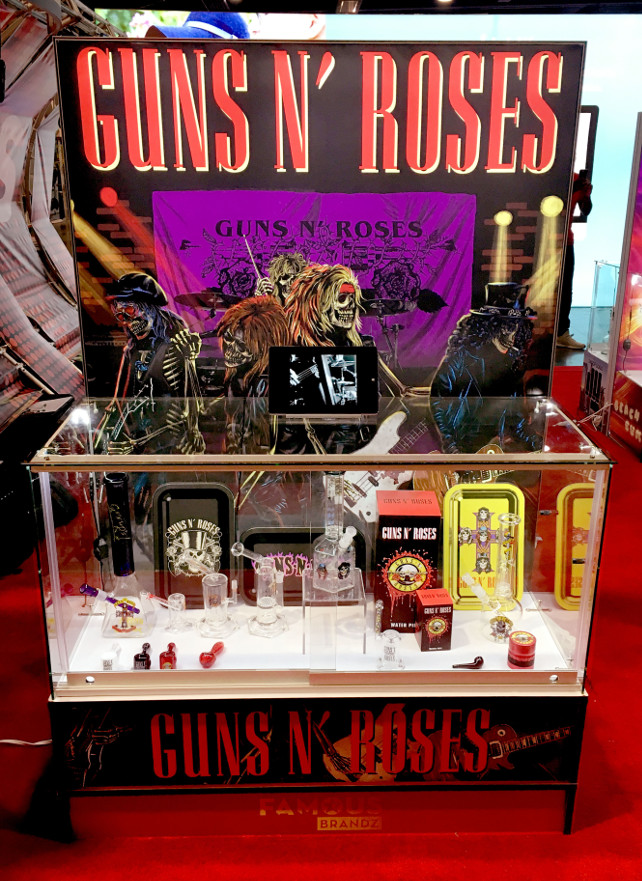
Famous Brandz is a perfect example of a brand that thrives on authenticity. Within their licensed smoking accessories are collaborations with some of the biggest names in entertainment including Cheech & Chong: Up In Smoke, Trailer Park Boys, Jay and Silent Bob, Snoop Dogg and Guns N’ Roses. While the quality of products and packaging remain consistent, Famous Brandz makes an impact by telling the specific “stories” associated with their licensees, and giving consumers the opportunity hyper connect with their favorite brands through a unique, yet expected experience.
“We’re not going to arbitrarily try fit Guns and Roses into a Famous Brandz mold — we’re going to do take that license to the maximum of what it can be,” says Andy Palalas, Famous Brandz Director of Sales. “If all we did was slap a GNR logo on the product and packaging, and didn’t pay attention to the albums, the music, the lyrics and the attitude that makes Guns N’ Roses what it is, we wouldn’t be telling an authentic story — we’d just be trying to sell a product.”
Even with Famous Brandz’s in-house line, it’s the attention to detail and the company’s ability to understand their target market and conceptualize a genuine message that resounds with consumers.
“We know the line is geared towards people getting together and enjoying our water pipes in a way that feels like a party where everyone is comfortable being the group, but still has their own little idiosyncrasies,” Palalas says.
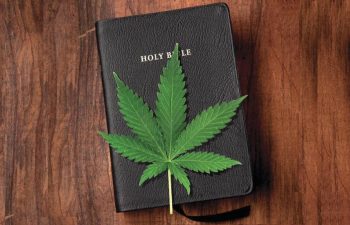
When it comes to packaging design, Authenticity represents the rejection of conventions surrounding brand design within a specific market segment. The pot leaf used to be an iconic underground symbol found in virtually every package and logo design in cannabis industry. But as the industry has evolved, so has the need for distinguishing products being for a specific consumer base by slapping a marijuana leaf on them. Cannabis has become an ecosystem in and of itself, much like how Coors and Budweiser don’t need to put pictures of hops on their bottles and cans in order for it to be recognized as beer.
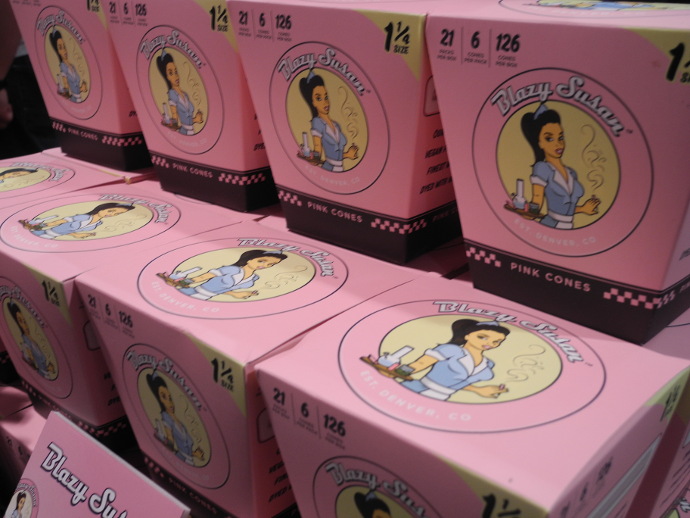
Will Breakell started his company Blazy Susan to fight the stigma of messy stoners with a rotating tray for holding and sharing smoking accessories. Since the product was a take on the old-fashioned lazy susan commonly found in kitchen cabinets and on holiday tables, Breakell could easily have worked a pot leaf into the design to point to its intended usage. Instead he relied on a catchy name, a fun character “spokesperson” in Blazy Susan, a diner waitress with an affinity for bud, and most strikingly, the color pink.
“The demographics of cannabis consumers are changing rapidly — we want people to feel that they’ve found a brand that caters to them and isn’t all in their face about it being a cannabis product,” Breakell says. “What we want to get across is that we’re having a good time with our brand and we hope people come along and check it out.”
“Blazy Susan is our Snoop Dogg. But because Blazy Susan isn’t a real person, and isn’t tied to any specific agenda, it gives us more freedom,” Breakell adds, “her whole existence is to help people have a better experience smoking weed, and the advantage for us is that her personality is flexible and can evolve into whatever direction the market takes.”
The retro vibe is carried through Blazy Susan’s entire product line. When they added rolling papers, cones and cotton swabs, they made them their signature pink to keep the branding consistent. That ladies were attracted to the color, was just an advantageous coincidence.
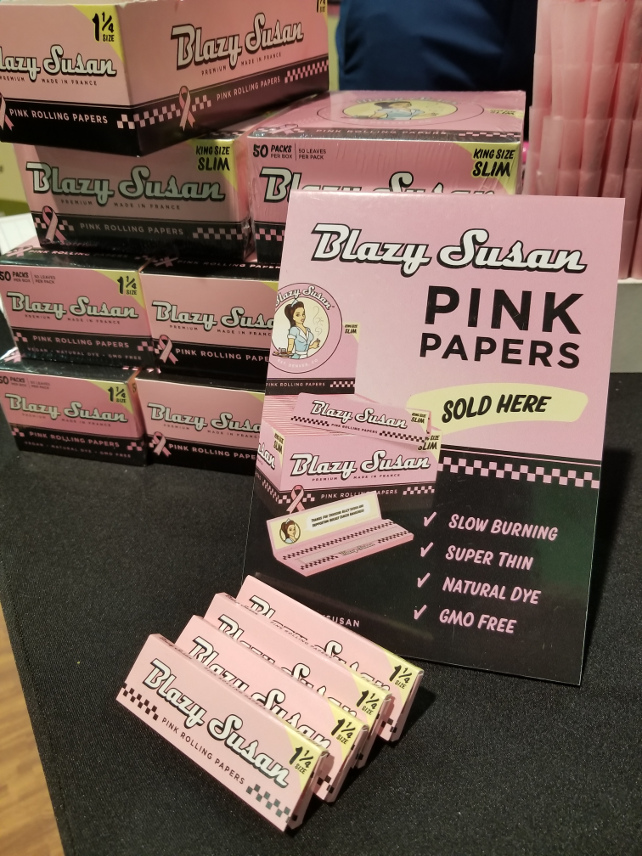
“We actually had a lot of guys requesting samples and rolling pink joints in the prototype phase — since we were getting great response from both genders, it was confirmation that we we’re onto something,” Breakell says.
“We’re constantly developing our brand messaging and voice to communicate with our customers,” Breakell says. “The key is start with a core belief system and expand it so that vibe is consistent through everything you put out to the public.”
5 Tips for Being an Authentic Brand
Authenticity is a vital component for successful brands. It relates to how you are perceived, and how much trust you garner from both potential and existing consumers. Here are few simple strategies for showing people who you really are:
Be Confident
The best way to project authenticity is to be confident in your brand DNA — to know who you are and what you are promising your audience. Don’t jump on the trending bandwagons if you plan to be in for the long haul.
Be Consistent
Remember that trust is built, not bought. Be consistent in branding, quality, service, etc. Once you set a precedent, stick to it so that consumers will always know what to expect.
Be Real
Don’t cheat yourself or your customers. Examine your mission and vision statements, and take a “culture inventory” to ensure you are actually living it out each and every day.
Be Available
Nothing boosts authenticity faster than being available for conversations with your customers. Social media allows you to have honest 1:1 engagement with people — don’t just respond with a stock answer; use the opportunity to show that you’re a brand that truly cares about people’s needs and their reactions to your products.
Be Transparent
The only thing that really distinguishes your product from that of the competition is YOU. Share stories not only be about how your company began, but about the people behind the scenes: the idea is to help people relate to your brand, knowing that they have similar values and goals.