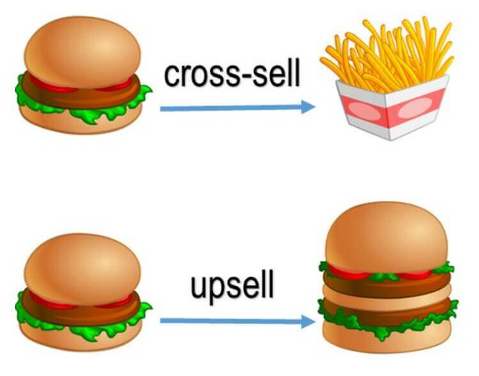
Do you want fries what that? There’s no better example of a cross-sell than when you place an order at McDonalds and they ask if you want fries with your quarter-pounder. You might have thought this was an example of an upsell, but that would be them asking if you want to Super-Size your meal.
Cross-selling promotes products that satisfy additional, complementary needs that are unfulfilled by the original item. For example, a protective case could be cross-sold to a customer purchasing a glass pipe. In an up-sell, the goal is to sell the customer a better product; it could be a premium model of the same product or a similar product with additional features.
Amazon attributes up to 35% of its revenue to cross-selling – both the “Frequently Bought Together” and “Customers Who Bought This Item Also Bought” sections suggest products related to the item that you are currently viewing on the site.
To cross-sell effectively, think about those products that naturally pair well, like a glass pipe and a protective case, cleaning solution, or anything else that adds to the user experience. Pay special attention to the price points of the items you pair, as cross-sell products are typically similar or lower in cost. If you have merchandise that’s just sitting on the shelf, cross-selling is a good way to introduce it to customers who might have otherwise overlooked it.
When upselling, the key is to keep your customer’s needs and wants in mind. A person who is looking at a portable vape pen may not be interested in a top of the line tabletop vaporizer with all the bells and whistles. However, that person may be interested in dropping a few bills for a multi-purpose vape pen for use with e-liquids, medicated oils, wax concentrates and dry herb. Be sure to align your up-sell with the underlying needs and wants that drew this customer to the original product and show them the value in improving that position.
The best way to upsell is by offering side-by-side comparisons of the products’ weaknesses and strengths. Be up front about prices as well. Let your customer know how much each upgrade will cost, and discuss the specific benefits.
Done right, cross-selling and upselling enable you to increase sales while helping customers. The #1 rule is to always provide value and improve the customer experience. Do it right with honesty, integrity, and concern for others and everybody wins!