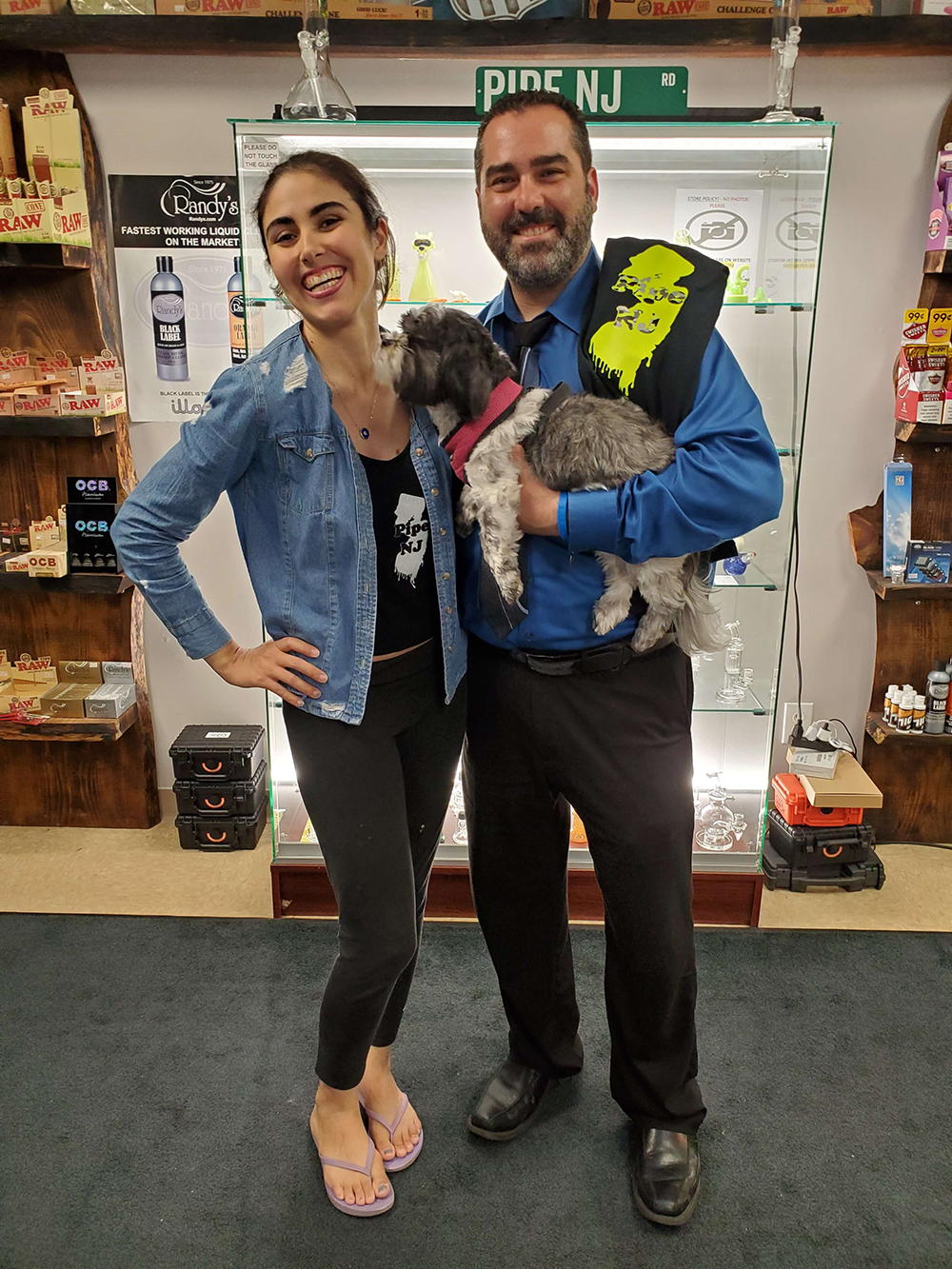
Some people have known what they wanted to be since they were very young.Chris B., the owner of PipeNJ, in Brick, New Jersey (thus the NJ), has always been with glass blowing, but rather than “making art from flame,” he wanted to be the person selling pipes.
When Chris would tell people his dream, they’d make jokes about it. Even until this day, most didn’t believe it was a good plan. His wife Ali, his partner in the smoke shop, was one of the first to get it. Before PipeNY opened in 2016, Chris had tried a mainstream career as mortgage banker until he fell victim to the Banking Collapse of 2008. Living on unemployment and odd jobs, he decided to start an online business selling glass pipes.
“I had nothing to lose,” he says. “At the time, there was nobody doing it or any active websites selling glass. My biggest problem was getting shut down by the credit card processors — I was shut down like four times, but I would just build a new website and keep on doing it because it was something I believed in.”
Chris has always been a proponent of American-made glass, and even in the early days, he would work with “local” glass companies, like Name Brand Glass, in nearby Philadelphia. He also got encouragement from Jerome Baker, who filled him in on the risks associated with the glass business following Operation Pipe Dreams.
“I wasn’t really worried,” Chris says. “I was about to lose my condo and I could have been homeless, so —–“

Chris isn’t the only one selling glass online these days. Facebook and Instagram are flooded with glass blowers showing off their work and selling direct to consumers. It’s not all bad for retail shops, though. As Chris points out, more up and coming glass blowers means more competition, and with that comes lower prices and more supply.
“My motto is ‘custom, quality glass,’ and my focus was on bringing in really nice, unique pieces that weren’t available anywhere else locally,” he says. “I learn new things about glass every day and I deal with glass blowers one-on-one and try to help them be more successful — if they’re doing better than me, then I know I’m doing good too.”
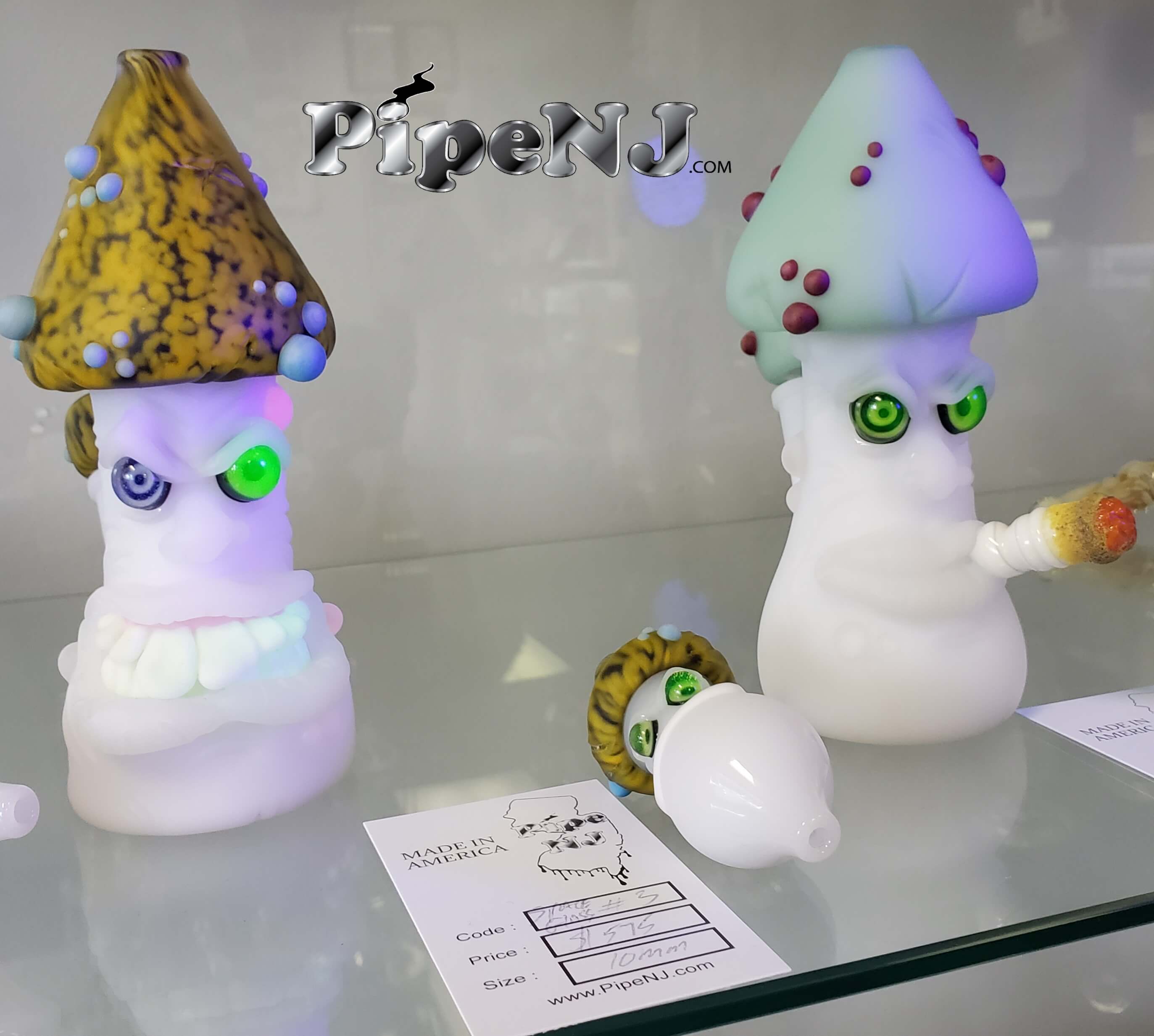
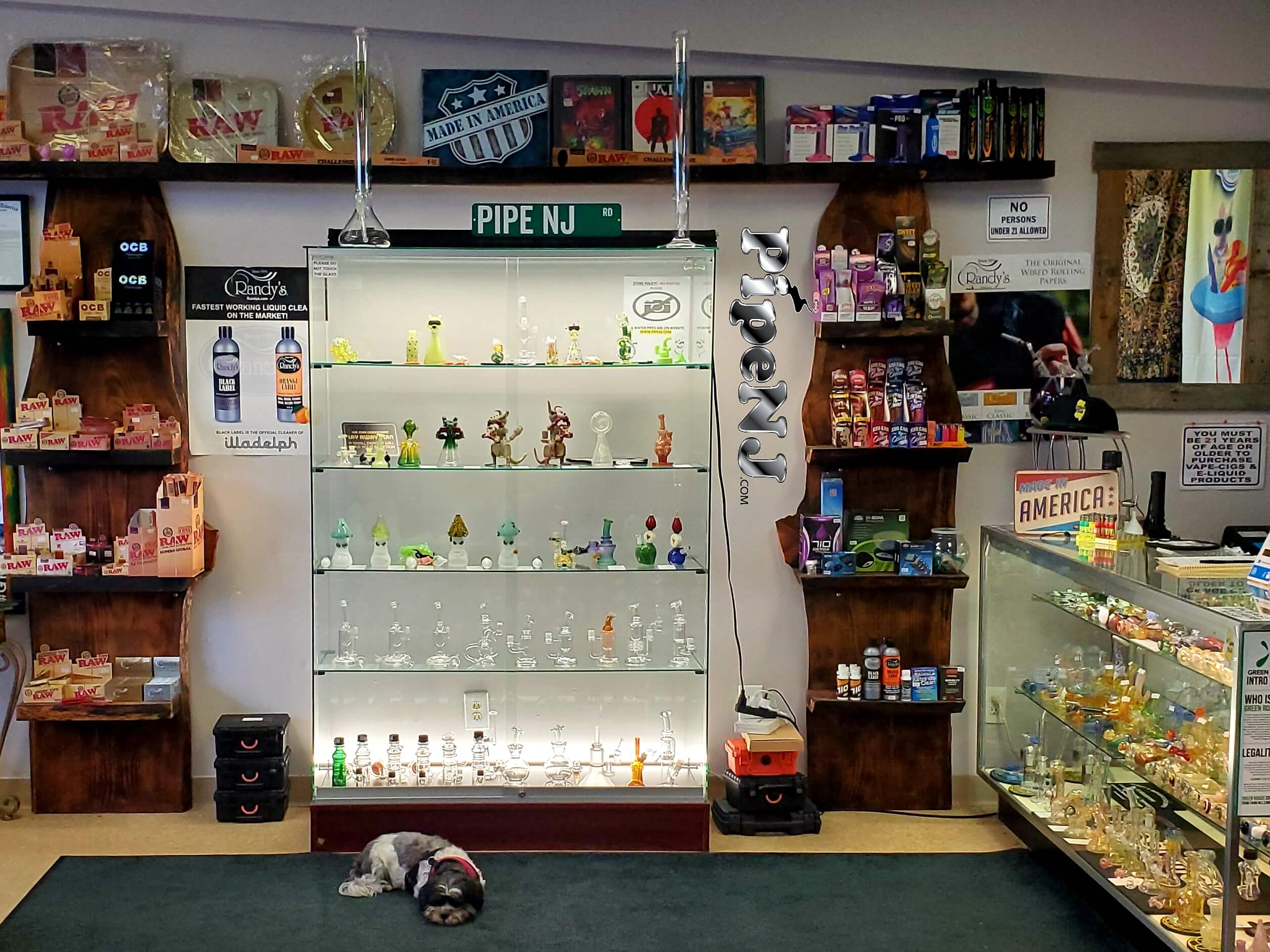
Chris makes sure that just because something is unique, doesn’t mean it’s not affordable. Customers can pick from upwards of 500 different glass pipes. There are headie pieces as well, but those are mostly ‘gallery’ pieces that create a buzz and bring in the glass fans. Primarily, the headie pieces are sold to discriminating buyers from the online marketplace.
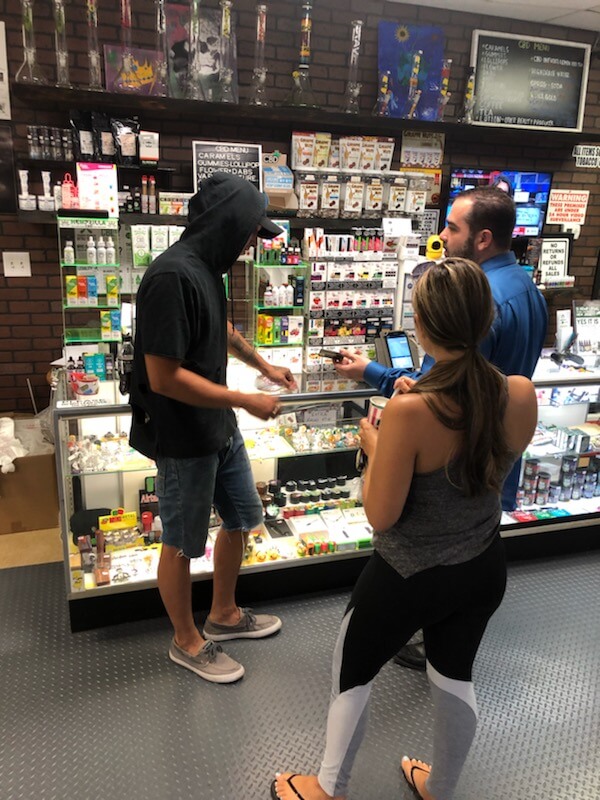
Still, when you can just go online and buy a piece of glass, why go into a physical store? Chris’s answer to that dilemma is to make sure PipeNJ offers more than just pipes. Along with the usual smoke shop staples, including rolling papers, hookah supplies, kratom and vape batteries, PipeNJ has jumped about the CBD train with everything from CBD infused drinks and protein bars to tinctures and lotions. Popular brands in stock are Hempzilla, Funky Farms, Momma Dora, Alaskan Ice, and Hemptrailz pet treats.
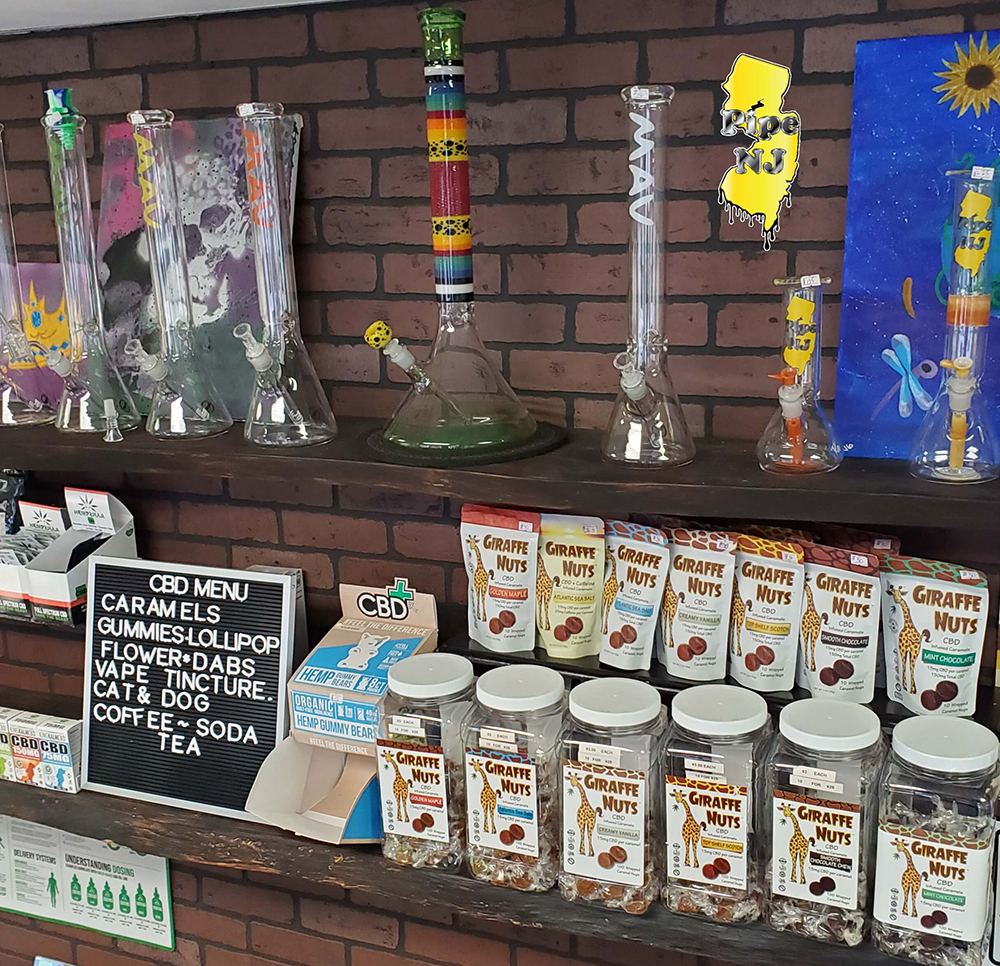
CBD brings in a new customer demographic that might never have previously been inside a smoke shop. Smokers, Chris has found, are switching to the CBD dry hemp flower, whereas older adults are interested in the tinctures and balms to help with age-related issues like arthritis, and as an alternative to some prescription meds.
As someone who uses CBD to help with digestive problems, Chris wants only the best products for himself and his customers.
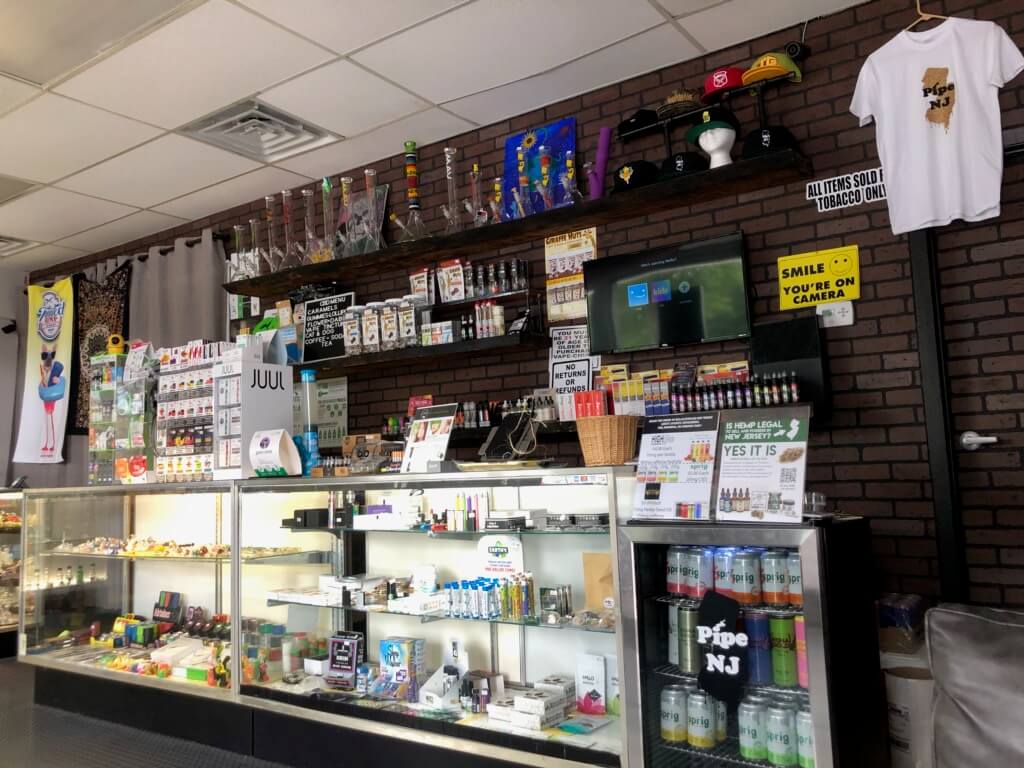
“There are drug store chains carrying CBD products now, and anything made for the masses isn’t likely to be a quality product. That’s why we only promote premium products,” Chris says.
“The is the time when you have to figure out what the next few years of your life are going to be like and how you’re going to adapt and change to fit in,” he says.
“Social media is a beast. It’s great to be able to reach so many people, but I really like to meet people in person and talk to them one-on-one,” he adds. “I’m big on establishing personal rapport, educating customers and earning their trust.”