Annie Sais has been an active member of the cannabis and smoke shop communities for over a decade. She is not only the creative entrepreneur behind Organabus, a brand of CBD products, but she also got her start at just 16 years old working with her sister and brother-in-law, Erin and Roger Kay, promoting Tasty Puff, their popular line of flavoring drops and e-liquids.
Annie found her experience working for her sister’s company inspiring, as there were few women in the industry at the time, and she admired her sister’s drive and success. This, in turn, motivated her to start her own woman-owned brand. She began her entrepreneurial journey by buying and selling various products, including herbal blends and kratom, under the name Blue Chill. In 2010, she established her own detox brand, Stealth Detox, and later noticed the growing demand for CBD. Convinced of the inherent wellness advantages of the cannabinoid, she was motivated to launch her own CBD brand, Organabus.
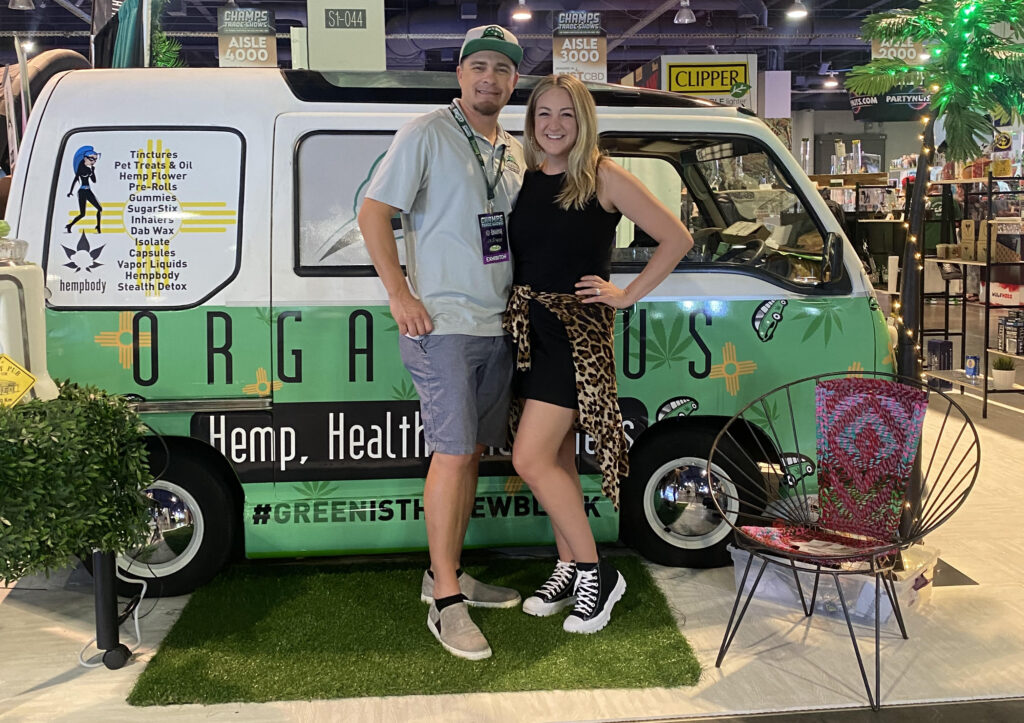
Annie’s education in business and marketing from New Mexico State University provided her with the basics to run her own company. Nonetheless, it was Roger who shared practical advice on handling finances, managing inventory, and fulfilling orders.
“There’s so much more I wish I could have asked him,” says Annie, who lost her brother-in-law in 2021 to complications from COVID-19. “The main thing he drilled into me was to be innovative, be a good business person, be honest and believe in yourself.”
Organabus and Stealth Detox products are popular among diverse groups, but Annie identified an opportunity in the underrepresented female market. To satisfy the need, she created a high-end CBD skin care line called Hempbody, featuring indulgent products like healing bath bombs, pain-relieving body butter, and terpene-infused hemp and soy candles. The line is designed to appeal to women who desire an elevated spa experience in the comfort of their homes. The Hempbody logo, with the silhouette of a lovely woman surrounded by cannabis leaves, and the tagline, “soak away to a better day,” reflects this aesthetic.
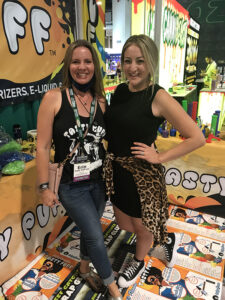
Annie isn’t just a business owner, she also personifies her brands. She’s a familiar face at trade shows with her fun little Organa-BUS, and smoke shop friends eagerly visit her booth not only to see what new products she’s launching, but also just to chat because she has such an engaging and bubbly personality.
“I’ve always been confident in my role, so I’ve never felt intimidated [about being a woman in a male-dominated industry],” Annie says. “What you see is what you get. It’s just me.”
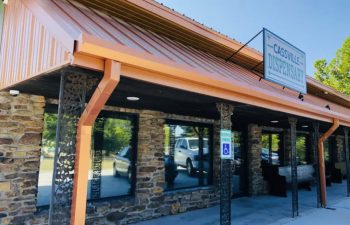
Most recently, Annie and her husband, Nick, ventured into the brick and mortar side of the business. After purchasing a warehouse for their company, Annie discovered a vacant storefront next door and eventually acquired the whole building. They transformed the space into Raw Greens, a “hemp house and CBD lounge” that offers smoking accessories, counterculture lifestyle apparel, and premium CBD products. With the legalization of recreational marijuana in New Mexico in 2022, they added a dispensary called the Green Room. They plan to open a second location, as well as a commercial grow operation that will give them the seed-to-sale ability necessary for a successful cannabis business.
“I always had this vision to open up a badass retail shop with all kinds of different CBD products that was welcoming to anyone and everyone,” Annie says.
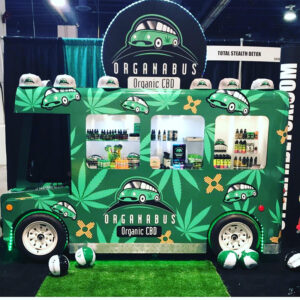
Annie has achieved great success in building her brands, but she is not particularly focused on breaking into mainstream markets. Instead, she considers her products to be exclusive and targeted, not meant to be easily accessible on the shelves of mass retailers such as Rite-Aid and Wal-Mart. Rather, she sees her “boutique” brands as being better suited to specialty stores like Ulta Beauty, Sephora, and REI, where they can appeal to discerning customers looking for premium, high-quality products.
Annie’s journey is a reminder that success in business is not just about profit, but also about building lasting relationships, staying true to your vision, and being a strong advocate for others.
“My goal is to build my brands in a way so that everyone involved, from team members to customers, are truly satisfied, and for each individual to experience success,” Annie says. “If I have any advice, it would be to be authentic and never give up.”