




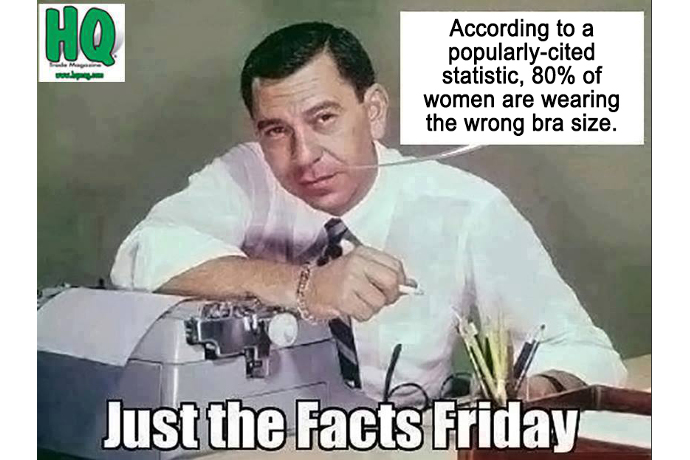
A survey conducted by bra manufacturer Triumph and published in the journal Chiropractic & Osteopathy found that the majority of women were wearing bras that were the wrong size – 70 percent of them wore bras that were too small, while 10 percent wore bras that were too large.
What do bras have to do with smoke shops? Honestly, nothing —- we used it to get your attention. But there is a lesson here about customer service that you can take to heart whether you’re selling bras or bubblers.
Any woman will attest that wearing the wrong bra size can produce breast pain and bra irritation. Unfortunately, some women know they’re wearing the wrong bra size and continue wearing it anyway. It’s the same when it comes to smoke and vape accessories — there are so many different versions on the market, that unless the customer is a seasoned user, it’s likely they don’t fully understand how the devices function, and therefor, may purchase a product that won’t give them the experience for which they were hoping. That’s where you and your staff come in — think of your responsibility to your customers as giving them a personal “fitting” —- no touching — to makes sure the products they’re buying truly meet their needs.
Talk the talk
Conversation helps build a relationship, showcases your product knowledge and makes the customer feel like you’re their friend instead of a salesperson. How, does that work? By asking them open-ended questions. You don’t want their response to be “yes” or “no” because you can’t learn anything about them, how they plan to use the product or how much they’re able to spend.
A question that inquires about the specific reason your customer visited your store is a good way to narrow down choices. When the customer engages in the question and responds about the item they are shopping for, you can practice solid customer service skills by showing them the item while educating them on features and benefits as well as pros and cons of any product alternatives or add-ons they may be interested in.
Starting a dialogue about a customer’s preference by comparing two products is a good way to find out about her inclinations, price points and willingness to purchase a product that day. If the customer responds to your question by telling you, “I’m not sure,” you have an opportunity to educate and narrow down the purchasing decision.
A question that engages the customer not only invites dialogue but also opens up conversation about other sales opportunities. If your recommendation warrants it, educate the customer about another product that could better fit her needs, or how additional items could add to their experience.
Starting off the conversation with a personal recommendation as opposed to a question can be an effective way to get information as well. If the comment is genuine, you can let your customer know about your experience with a certain product. If you haven’t tried it, but understand its popularity among other customers, you can approach the conversation that way instead. Just don’t fake it. If you haven’t tried it, don’t say you did in hopes to make the sale. Good conversation starters as alternatives to personal experiences include “This brand is so popular right now,” “I really like the features of this (vape),” and “We just got that in yesterday.”
Remember, your goal should not be merely to make a sale, but to ultimately create a happy, satisfied customer










