



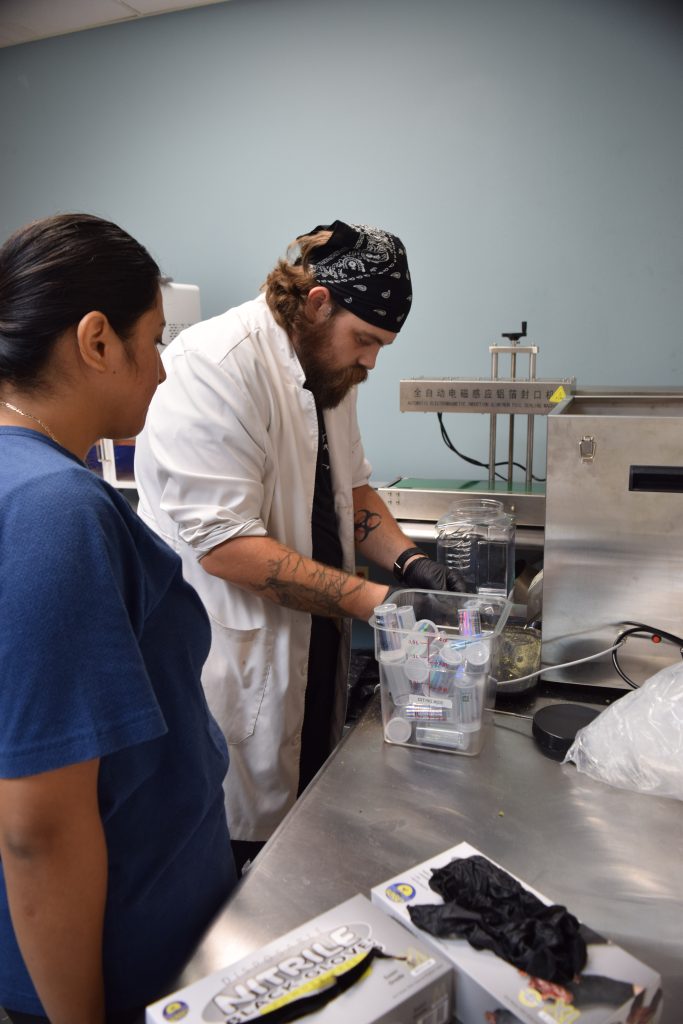
Short ingredients. Clean packaging. Delicious products. That’s how they do it in Louisiana. And that’s how Southern Hemp LA rolls.
It’s what Kegan Marcelle, CEO of Southern Hemp LA (that’s LA for Louisiana), is most proud of. In a market that’s getting increasingly complex by the day, Kegan’s less-is-more ethos is driving his company’s success in a cluttered cannabis market.
How did they do it? It starts with friends.
Born on the Bayou
Raised by the marshy waters of Marksville, LA, Kegan embraces his multigeneration Cajun roots to inform his business with a relaxed, down-home style. He also grew up as a proud stoner and feels like the plant brought only good things into his life.
“Weed was a big part of my social upbringing,” says Kegan. “I wasn’t exactly a social butterfly, but THC helped me spread my wings. It eased my mind in those spaces, just made things more fun. It allowed me to attend social events without being so hyper aware of my existence.”
He was inspired—and made a life out of it.
Kegan brought that spirit to Baton Rouge and by 2018 was deep in the CBD space, experimenting with making his own products and working in and building smoke shops.
“I operated smoke shops. Then me and three of my guys started building the smoke shops and outfitting them–and then we’d move onto the next one. We’d employ some people, then pop ‘em up pretty quick.”
Those three guys were Preston, Ransom, and Trent. In 2022, they all decided to do a hemp project to see if they could push their interest further. They started with gummies, and it took off from there. This is when Southern Hemp LA (SHLA) was born.
Each of them had a specialty. Trent became the lead product developer. He has a culinary background, and exploring recipes for hemp gave him a chance to excel. He made it his mission to always find a way to keep the ingredients list short.
“‘How do we make these recipes less?’” he always asked, according to Kegan. “For example, maybe he wants to use pectin, not gelatin. Maybe this product wants to be a jelly, not a gummy. Trent’s always trying this, trying that, exploring new angles on flavor and texture to give customers a novel experience.”
Then there’s Ransom, the production manager. He makes sure the machines work—and there are a lot of them. SHLA’s wholesale multi-state business has taken off. “We now have this fully automated factory. It’s crazy to see how far it’s come. It’s been pretty wild!” Kegan beams with pride, sharing how Ransom keeps their expanding business tight.
Preston is the organizational manager, cracking the whip. SHLA has a lot of moving parts, from manufacturing to marketing to shipping and compliance. Louisiana’s laws are not very forgiving, but among his many responsibilities, staying on the right side of them is his priority.
Getting your drank on
One would expect SHLA to be anchored by their in-house gummy business, but Kegan explained that their THC drinks have taken off.
“We’d been mostly moving away from delta-8, using less, but moving toward delta-9 and higher dose things like THCP, as well as some new CBD products. But what we really fell into was being a drink manufacturer. People are really noticing us for our beverages. It wasn’t our intention. We just do them really well.”
The booming beverage sales took them by surprise, but knowing the quality of their recipes, it wasn’t a total shock.

“Our drinks took off. They’re not just another seltzer; we actually sell a lemonade. A high dose one, not just 5-10mg. It’s 128mg, and we have a gradient on the side that measures out by the ounce, so you can dose out by the shot, which is 8mg each. Our top seller right now is Alien Head Lemonade.”
Being ahead of the regs
SHLA follows federal regulations in order to sell wholesale to any US state. So there’s a lot of work to be done simply staying in compliance with each state, for which they have a compliance officer, Destin, and a designer, David, who helps adjust product marketing and design for the variety of markets.
Everything that comes out of their facility is vetted by the Louisiana Department of Health and is aligned with CGMP standards. The state requires lots of paperwork and does random inspections, and so far, everything has gone well. They have a good relationship with the governmental bodies. This means distributors of SHLA products can trust what they’re getting.
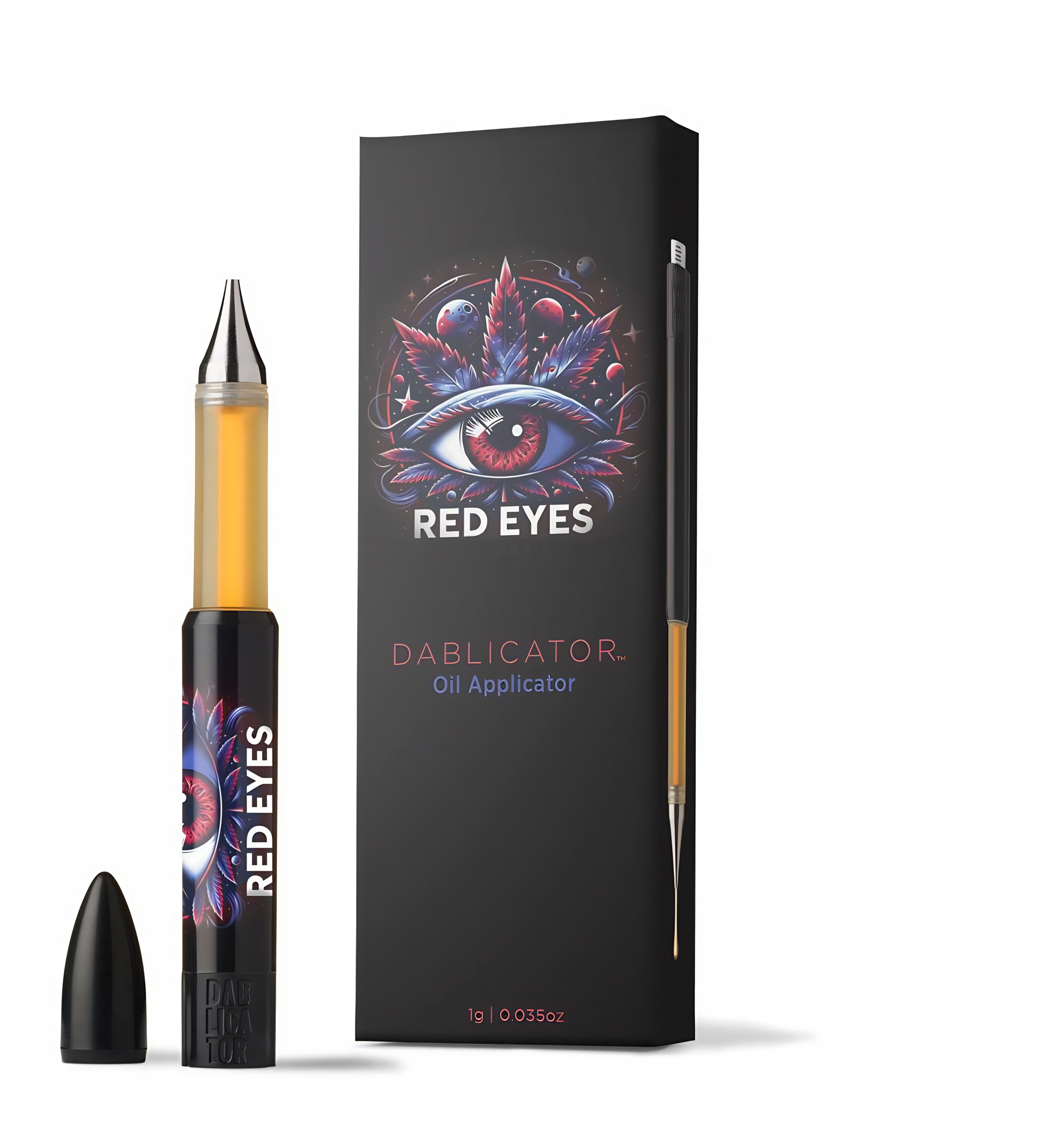
“We’re very honest with our marketing. We tell you what’s in it. We have COAs on everything. It’s something everyone should be doing. Clean packaging, nothing crazy, but with a newer cannabinoid like THCP, for example, we try to tell you how potent it will be.”
Staying vigilant, building community
Kegan is passionate about this industry. While he enjoys the success he’s had so far —”it doesn’t even feel like work”— he wants everyone to make sure to keep the pressure on their elected leaders in order to make it easier to bring these products to more of the public.
“People have to get involved in advocacy and fight for the hemp industry in their state. Be involved in your state’s association and fight the war on hemp,” he says, noting that his company is often willing to help other fledgling brands get off the ground.
“We’ve been doing a lot of white label manufacturing. For example, someone comes to us, and they want their own brand of gummies. We’ll manufacture it on their behalf. With the help of our designers, packers, and manufacturers, plus their own formulations, we make it a reality.”
xa
That chilled-out vibe
In the end, it’s about a feeling. When you pick up any product from Southern Hemp LA, you’re paying for the loving attention that’s put into making it simply a good time.
“We deal with people you normally wouldn’t see in this industry, people from Louisiana who are nice by nature. Everything we make comes out of Louisiana, so it has to taste good.”











