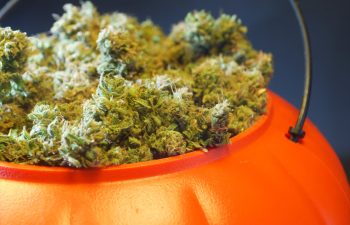
Austin, Texas — The Texas House voted late Wednesday to approve Senate Bill 3, a controversial measure that would effectively ban all consumable products containing any form of intoxicating THC, including Delta-8, Delta-9, Delta-10, and THCA. The legislation passed in a 95–44 vote and is now one step closer to the governor’s desk, pending reconciliation with the Senate version.
If signed into law, SB 3 would outlaw the retail sale and possession of most hemp-derived THC products, with exceptions carved out only for non-intoxicating cannabinoids such as CBD and CBG. The bill was introduced by Sen. Charles Perry (R) and championed by Lt. Gov. Dan Patrick (R), who cited concerns about public safety and youth access.
“These stores which often target children with their marketing have popped up across the state, threatening the safety of our communities,” Patrick said in a statement following the vote. “Today, the Texas Senate drew a line in the sand.”
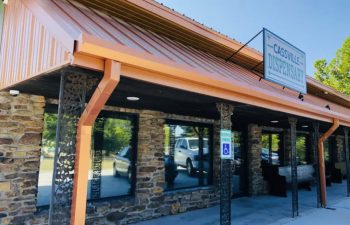
But hemp industry stakeholders, small business owners, veterans, and consumers say that line threatens to erase a multibillion-dollar industry virtually overnight.
The Texas Hemp Business Council (THBC), one of the state’s leading advocacy groups for the hemp sector, issued a blistering statement late Wednesday, calling the bill “devastating” for thousands of Texas businesses and the people they serve.
“We are deeply disappointed by the Texas House’s passage of CSSB 3, a bill that dismantles the legal hemp industry and ignores the voices of small businesses, farmers, veterans and consumers across the state who rely on hemp-derived products for their livelihoods and well-being,” the council stated.
The bill targets all “intoxicating” cannabinoids regardless of how they are derived, eliminating products that have been legally sold in Texas since the passage of the 2018 federal Farm Bill and Texas’ own House Bill 1325 in 2019. Those laws legalized hemp and capped Delta-9 THC at 0.3%, leaving a loophole for other cannabinoids that producers have since utilized to create products with psychoactive effects.
That loophole, advocates say, has been the backbone of a thriving legal market.
“Despite overwhelming testimony and clear data demonstrating the safety and economic value of federally legal hemp-derived cannabinoids,” the THBC said, “lawmakers have chosen a path that eliminates an entire sector of our economy, one that generates $4.3 billion in retail sales, 53,300 jobs and $268 million in tax revenue.”
Industry leaders warn that the bill will not only disrupt local economies, but also push consumers toward unregulated, underground markets.
“This is not a public safety measure—it’s a prohibition playbook,” said Lukas Gilkey, CEO of Austin-based Hometown Hero, which manufactures hemp-derived THC products. “We intend to fight this with every tool available, including legal action.”
Veterans’ groups have also voiced opposition, citing THC’s role in managing PTSD and chronic pain without reliance on opioids. “Let combat veterans be,” said John Burk, a U.S. Army veteran and owner of Shell Shock CBD. “If we want to have a blunt, it’s no different than having an old-fashioned [drink] and kicking back.”
Hundreds of Texans had testified against the bill in committee hearings this spring, arguing that banning regulated, lab-tested products would create a public health risk, not mitigate one.
With the final version of the bill likely to be reconciled in the coming days, all eyes are now on Gov. Greg Abbott, who has yet to publicly state his position on the matter.
If signed into law, the ban would take effect September 1, 2025. Retailers would have until January to comply—though many in the industry say that timeline offers little consolation.
“This bill doesn’t regulate—it eradicates,” said Jim Higdon, co-founder of Cornbread Hemp. “It’s a scorched-earth policy dressed up as moral panic.”
The THBC and other advocates are urging the public to contact the governor’s office and voice opposition before the bill becomes law.