Smokey Shays
by Norm Bour
Some of the more notable people in this smoke industry are known because of the size of their business. Or their visibility. Or their social media presence.
But Shana Wilkinson, along with being known for some of those things, is also recognized because of her heart.
I have spoken with her at Smoke Shop Events several times, but it wasn’t until I approached her to be profiled that I really got to see that.
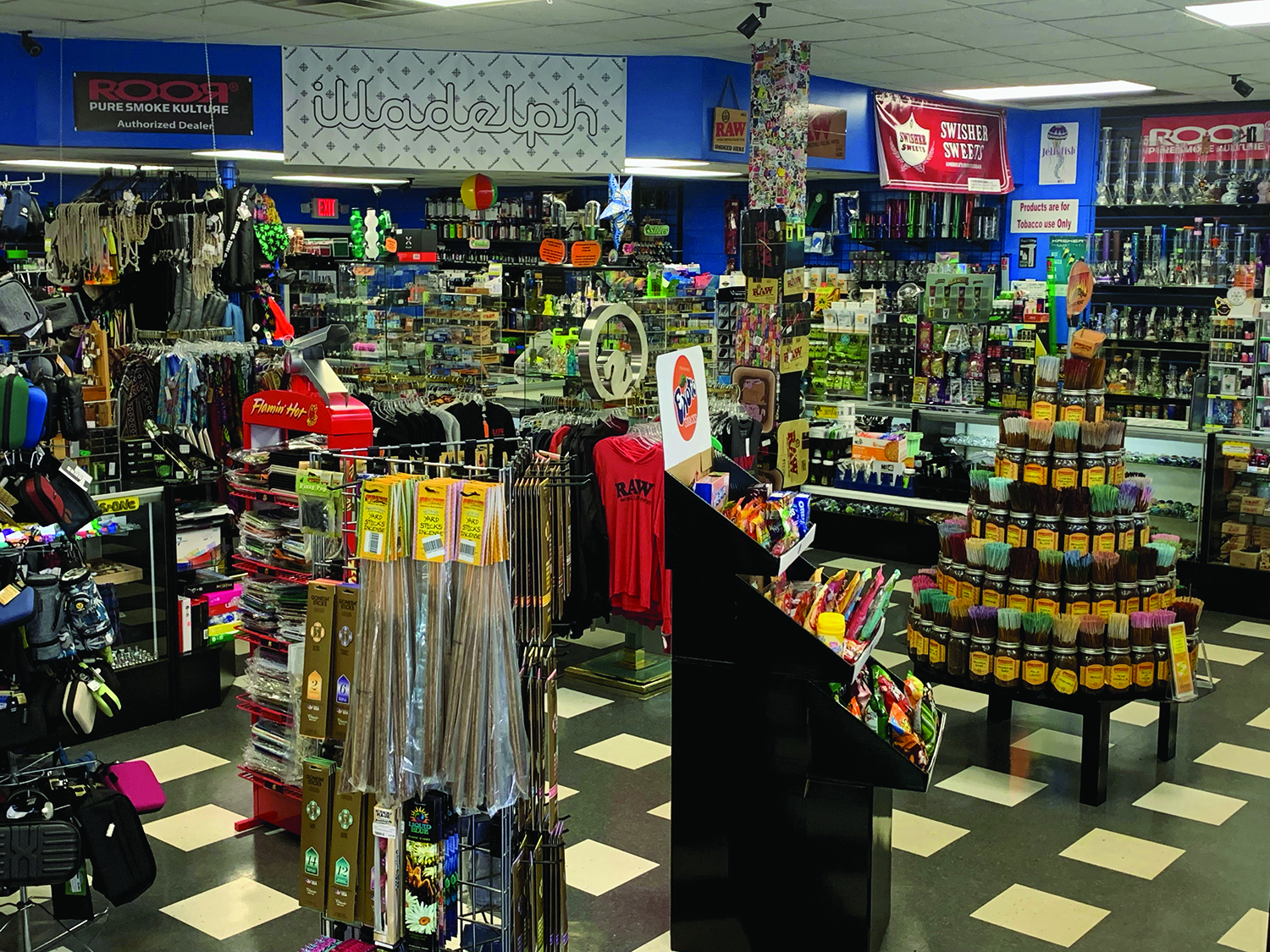
Wilkinson opened her Smokey Shays shops 11 years ago along with her then-boyfriend, now business partner, Matt. They knew some glassblowers and took their pipes to concerts to sell. There were no headshops in Winston-Salem (North Carolina) at that time, and they were advised to open one by their friends. They now have three, with 29 employees, and gross $4-5 M annually.
I asked about the origin of the shop name. When she was young and potty training her Mom would say “Po-shay,” which meant “go potty.” Matt loved that story so they named the shops with that levity.
Let’s face it…it takes a bold person to share that story!
Her venture into headshops was not intentional, but was a byproduct of being fired from her teaching position as an art teacher for eight years. For failing a drug test.
“I was devastated,” she confessed, since she was accused of selling weed to co-workers. She was not tenured so lost her license, benefits, and insurance, but sometimes these bad events have a happy ending. She laughed and said, “I still use some of those teaching techniques with my employees, since they can be as difficult as children!”
Their first store’s success surprised her since they started with so little, but over the years they expanded their product mix, nurtured their customers, and the rest is now history. They were a success within the first 8-9 months and by year three they opened #2, and five years later they concluded with #3.
Shana’s story is a textbook example of entrepreneurship 101: start small, grow when you can (or have to), then keep doing that until you need to make radical adjustments.
She doesn’t want to make those radical adjustments, so she is happy with three shops, and does not plan to expand. “God, no!” was her response. “With 29 employees I’m right where I want to be. Instead we buy rental houses…” which took us into a whole new conversation.
She does not specifically buy rental houses to become a landlord, but also to provide housing for her employees…at below market rents. While most similar 2/2 homes rent for $1000, she provides them for $800 to her employees. Currently they own six of these properties and one of her shop locations.
“Rents have gone crazy over the past few years. How can my employees afford them, even at market salaries? This way I provide a stable place for them to live and it also encourages them to support our shops.”
This is the best example of benevolence, charity and acquiring assets I have seen in a long time, a true synergistic relationship.
As we wrapped I asked if there was any advice she could offer, and she said, “Watch your money, don’t overstock, and only buy items you know are going to sell. Don’t get into novelties or clothing until you have the extra cash flow to risk it.”



Read more about other top smoke shops in the US HERE.