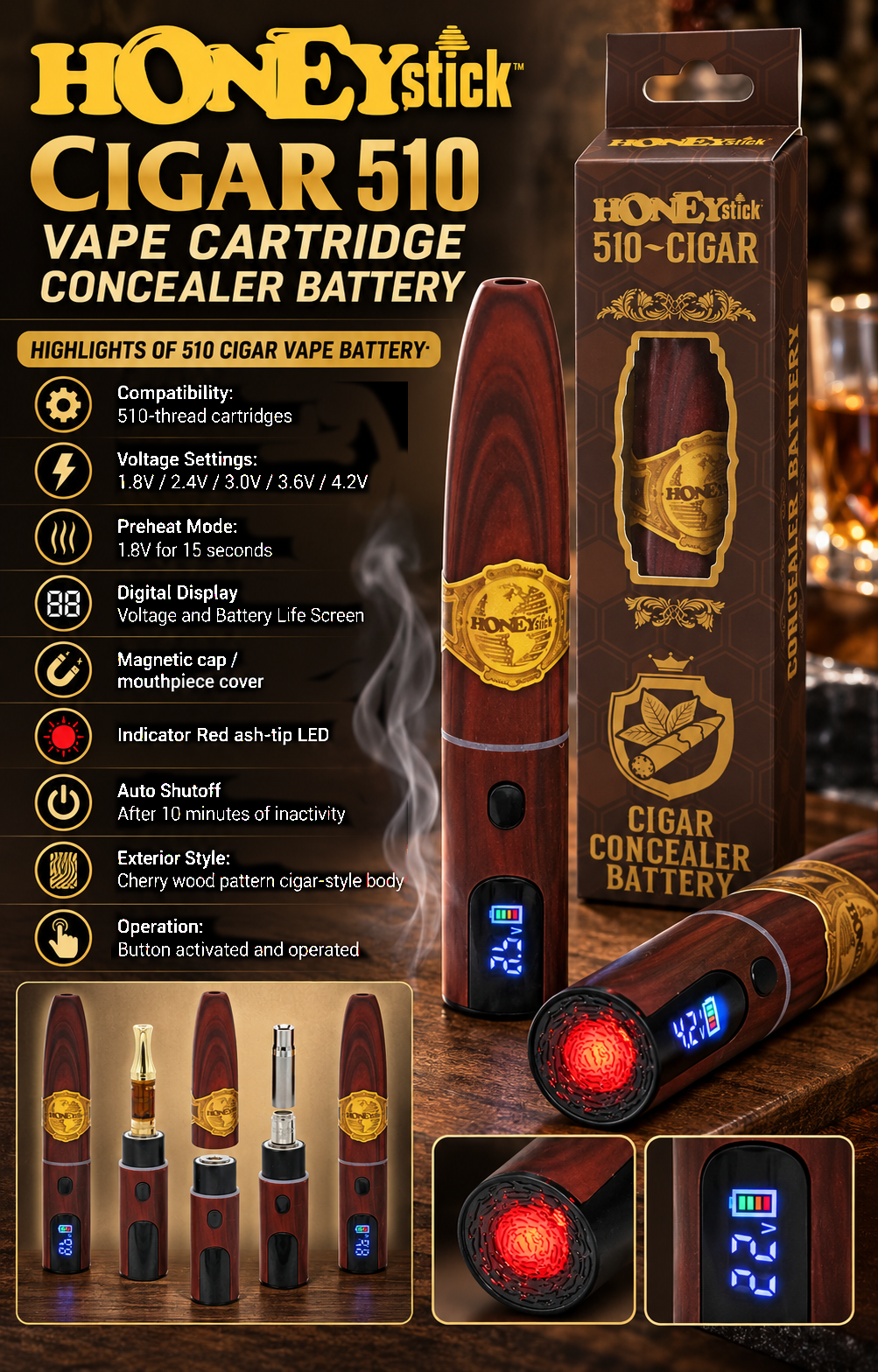
Smokeshop and counterculture enthusiasts enjoy discovery as part of the experience. Customers enjoy browsing. When they walk into a shop, they don’t simply grab a product and leave. They look for something new.
This is the main reason flyers and posters still work. Smokeshops and dispensaries are highly visual environments. You want to see bold artwork, psychedelic graphics, and street-style posters that naturally capture attention.
Research on street marketing shows that large visuals and physical signage can stop people in their tracks and spark curiosity in ways digital ads often can’t.
For many consumers in this culture, print feels more authentic and less commercial than algorithm-driven online promotions. A well-designed print marketing piece is seen as part of the atmosphere. The customers will notice, photograph, and remember.
Here are some reasons why print still lives.
It Is One of the Most Cost-Effective Marketing Tools
 For small businesses like independent headshops, print marketing remains one of the most affordable and predictable ways to promote products and events.
Unlike digital ads that rely on constantly changing algorithms, flyers and posters provide fixed production costs and long-term visibility.
A Meta or social media ad disappears the moment the budget runs out. In contrast, a well-placed poster can stay visible for weeks or even months.
Because of this sustained exposure, they often deliver a strong return on investment for local retailers looking to attract consistent foot traffic.
Stop People in Their Tracks
In busy retail districts, well-designed flyers and posters can immediately capture attention. Unlike online ads that can be scrolled past, large, colorful posters are physically present and difficult to ignore, making them effective tools for print marketing.
In headshop neighborhoods, posters often become visual landmarks that signal new glass drops, limited-edition merchandise, brand collaborations, or upcoming in-store events.
Flyers Turn Curiosity Into Store Visits
 Flyers and posters are easy to produce, inexpensive, and highly portable. This means they can be distributed in large numbers across a local neighborhood.
If strategically handed out at festivals and concerts or placed in complementary spaces like cafés and tattoo studios, flyers reach audiences already connected to the scene.
This can quickly transform curiosity into store visits and customer engagement.
Build Street Cred
In counterculture industries, credibility is earned through visibility in the scene. Strategic print marketing helps smokeshops establish an authentic street presence.
When your posters show up on the walls and shelves in the right places, such as skate shops, tattoo studios, and music venues, they signal that your brand is part of the culture. This type of advertising creates familiarity and trust among local customers.
It is also important to note that many smokeshop customers are skeptical of mainstream advertising and heavily curated digital feeds. Algorithms decide what people see online, often making marketing feel repetitive, impersonal, or overly commercial. Print is a rebellion against this; it breaks away from that system.
It feels raw, independent, authentic, and cultured, which is exactly why it works. Over time, you have real street cred and a recognizable place in the community.
Posters Become Part of the Culture
In headshop culture, a well-designed poster often outlives its original purpose of advertising.
Unlike many forms of print marketing that are quickly discarded, striking flyers and posters frequently become wall art, collectibles, or brand memorabilia.
Psychedelic graphics, bold typography, and artist collaborations resonate with customers who appreciate visual culture and countercultural aesthetics.
Limited-edition posters tied to product drops or brand collaborations can even gain collectible value. When customers hang these designs in their homes or studios, the poster continues promoting the brand, sometimes for years.
Print and Digital Work Better Together
 An effective marketing strategy for counterculture retail combines physical visibility with digital engagement. Flyers and posters can act as the starting point for deeper interaction. A poster featuring a QR code can link directly to a product menu, event page, or online store.
Adding social media handles or Instagram RSVP links allows customers to move seamlessly from discovery to engagement.
This becomes a funnel in which offline visibility leads to online interaction and ultimately brings customers back into the shop to purchase.
How to Design Print That Your Audience Will Love
Authentic. Attention-grabbing, Collectible.
Great print design starts with authenticity. In counterculture markets like headshops, audiences quickly recognize when a brand is trying too hard to imitate the culture rather than being part of it.
Authentic branding builds trust because consumers prefer brands that reflect real values and identity rather than polished imitation.
Effective print marketing also relies on strong visual principles: bold colors, striking artwork, clear headlines, and minimal text that communicates the message quickly. Xx
Include a clear location, event detail, or call to action to ensure you drive real engagement.
To create art that people want to keep, share, and collect, focus on psychedelic visuals, street-art aesthetics, edgy typography, and artist collaborations that resonate deeply with the community.
Print Isn’t Dead, It’s Underground
Underground is exactly where the smoke shop and counterculture industries thrive. It is a world where customers gather, explore, and discover.
Smart print marketing attracts attention, builds community presence, drives foot traffic, and strengthens brand identity over time.
While online ads come and go, poster advertising can live on walls, in venues, and in the culture itself.
Perhaps the right move for you is putting the right poster on the right wall at exactly the right moment.
Looking to learn more about how QR codes can be harnessed to help your business? Check out this article on our website!