Common business advice tends to view the 80:20 rule simplistically. Focus on the 80% of your store that drives profit, it says. Ignore the rest. That’s fine for the average folks. But what about those who want to boost the other 20%?
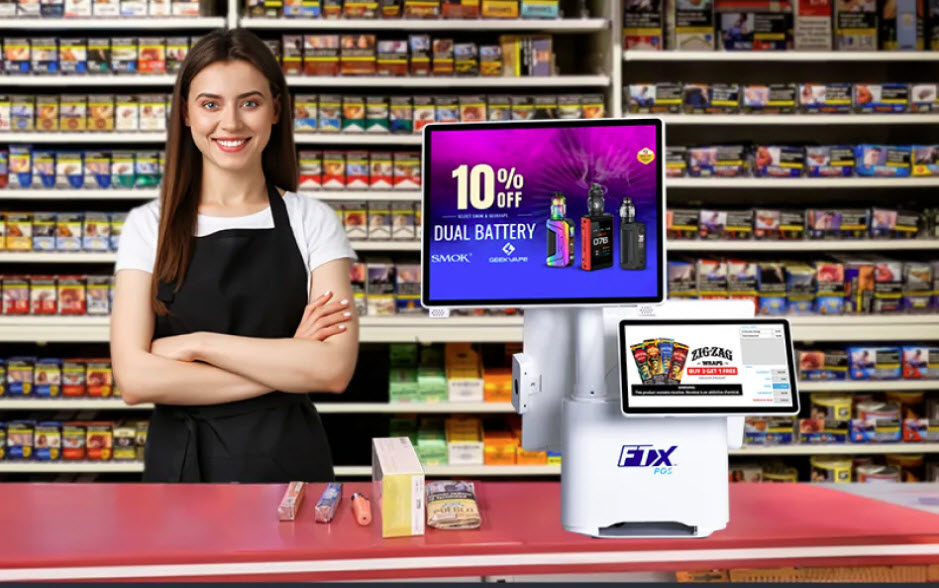
It turns out that Point of Sale merchandise, the small items found near the checkout counter, can account for up to 20% of a healthy store’s sales. The candy, fidget toys, lighters, bookmarks, and gum that adorn the counter are high-margin products, and research says they work like catnip on customers. But it’s not as simple as laying out a box of M&M’s. Earning real money off POS items requires understanding how shoppers think.
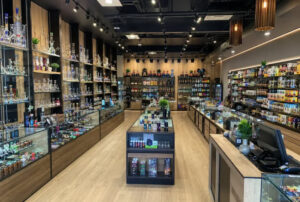 Once a customer nears the POS displays, they’re not the same customer they were when they entered. They’ve essentially done an entire emotional journey throughout your store. They’re no longer in the right headspace to think through complex decisions or complete high-level calculations. They’re operating on pure emotion and will naturally reach for items that satisfy base urges.
The big guys have mastered the practice. Grocers, chain booksellers, and big box stores understand which items appeal to shoppers at the last minute. Some stores, like Barnes and Noble, have extended the area, forcing customers to snake through stands of last-second goodies before paying.
But what works for nationwide retailers doesn’t neatly translate to independents. For one thing, customers at small stores spend less time waiting in line than they do at Wal-Mart. For another, the mindset is different. The emotional comedown from buying food for a family of four differs substantially from what goes through someone’s head after buying a specialized tool, hobby kit, or sweater.
Instead of copying best practices from the biggest players, it’s more effective to boost margins by employing the same underlying psychological mechanisms.
Think of it like this: every shopper experiences decision fatigue. The more intricate the buying activity, the worse the fatigue. Having weighed the pros and cons of a color, cost, cut, etc., the logical brain goes into hibernation, and the emotional hemisphere takes command. Effective POS displays capitalize on that. You just have to figure out what decision fatigue from your store looks like.
The Hacks
The first rule of POS-maxxing is to keep it simple. Offer low-priced items at whole dollar amounts. Don’t make anyone do math. Sell breath mints for $4, not the industry standard $3.99. It’s all about bypassing the logical mind so it can’t hijack your thinking with intrusive questions like “Do I really need that?”
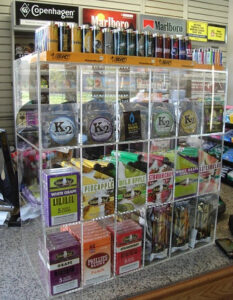 Chewing gum has been a stalwart of grocery store checkout aisles for exactly this reason. No one goes to the store to buy gum, but when we see tantalizing colors and a sticker price above a conveyor belt, it activates something within the lizard brain. Gum appeals to several emotional concerns at once, but perhaps none is easier to understand than a latent worry over bad breath. No one wants bad breath, and seeing chewing gum elicits this fear within us and provides a solution.
Modern consumers contend with all kinds of emotional concerns, from the fear of missing out to the need for control. And this is where many stores go wrong. Managers think with their heads, while customers rely on their guts. It’s easy to forget that capitalism runs on emotion; buying something simply feels good.
If a customer stops in for something quick and necessary—a stack of napkins, a can of WD-40—leaving the store with only that seems like a drag. Snagging a pack of M&Ms at the counter changes the whole experience. It allows them to embrace the “Treat yourself!” philosophy of shopping without triggering the part of the brain that worries over money.
Consumer psychology works the opposite way, too. Researchers have found that when the shopping trip is a treat, customers can offset the guilt of self-indulgence by making a small, practical purchase at the cash register. Starbucks puts its gift cards front and center by the registers because its customers appreciate their ease and functionality. If you need a gift for a co-worker, an old friend, or a kid’s coach, a free coffee card makes for an excellent and practical way to let someone know they’re appreciated.
Target and Trader Joe’s use POS items to take advantage of a different psychological phenomenon: FOMO. They stock seasonal or limited-time items near the register to trigger that feeling. Those who go regularly know the ache of missing out on flavors that only roll out once a year.
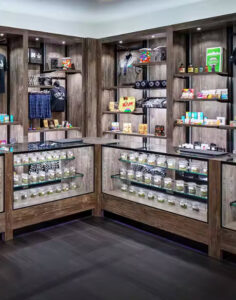 The same concept can apply to samples. It’s no secret that new drives buying behavior, but many shoppers don’t want to commit to bulk purchases of something they’ve never tried. Placing fun-sized samples by the register allows them to try out a new flavor, look, or product without buyer’s remorse.
Chain stores with long, winding checkout aisles often stock their lines with fidgety goods, the kind wrapped in crinkly plastic or that are instantly movable. In those cases, such items relieve the modern problem of dealing with three to five minutes of boredom and a need for stimulation. If the line is moving but still requires a wait, shoppers are less likely to pull out their phones, but their desire to access quick hits of dopamine remains.
If your store attracts customers who pop in during the course of a busy day, it’s a good idea to consider the biggest-selling category of POS items: the “just in case” category. They’re the products that relieve the small anxieties, worries, fears, and inconveniences that make up a day. Just seeing breath mints, lighters, or batteries can be enough to trigger a buying response.
What Doesn’t Work
Unfortunately, POS areas aren’t magical lands that cause shoppers to buy whatever’s there. Some clever marketing tactics and items don’t perform well there. Or at least not well enough to take up such valuable real estate.
For example, consumer behavior researchers found in real-world tests that buy-one-get-one offers near the register worked well, but no better than BOGOs elsewhere in the store. The same pattern held for coupon-related sales.
And, counterintuitively, customers respond best to displays that aren’t full. The same psychological mechanism that makes people feel weird about going first at a buffet applies to POS merchandise. Make sure you grab a few items off the display to let distracted buyers know it’s okay to pick one up.
While you may never get to 20% of sales coming from POS, it’s worth experimenting with displays and product types to boost your margins. Every store cares about making a good first impression; POS proves it’s just as important to consider the last impression as well.
Looking for fresh counterculture products to enhance your checkout display? Peruse our product spotlights to discover standout products from leading industry brands and find your shop’s next must-have addition.