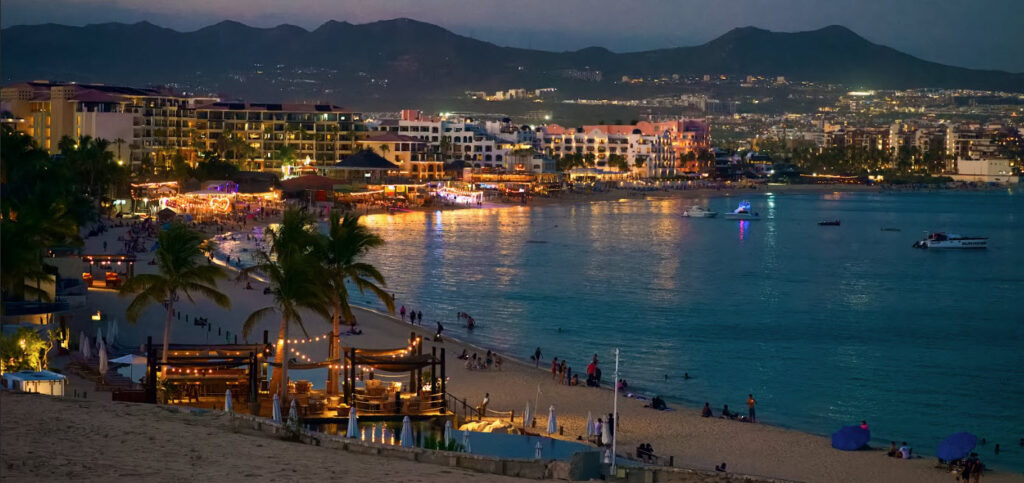
It was a balmy few days in Cabo San Lucas in August, where roughly 50 members of the smoke shop community, a mix of buyers and vendors, struck deals, built relationships, and caught one hell of a marlin.
But despite the vibes, the setting isn’t the main draw of an Alternative Trade and Event Company event. It’s the structure. With a 50-50 mix of vendors and buyers, ATEC shows are run as a series of meetings, where every buyer meets with each brand representative.
“Instead of having all those people walk by that are mostly consumers at those bigger trade shows, we do all the legwork to make sure you’re put in front of decision makers who are ready to buy your product and have money allocated to do so,” says Toddre Fulmer, operating partner with ATEC. “Our buyers come to the show with a budget, and they try and spread that budget throughout everybody there so that they can automatically make a return on the show.” 
The differences between ATEC and the standard industry schmoozefest are easy to spot: luxurious settings, exclusive guest lists, and highly formalized schedules—but it’s the philosophy behind the concepts that elevates the experience. Fulmer and his crew work to ensure that business is the only thing on the minds of showgoers. ATEC arranges everything from airport transportation to booking off-site excursions.
“We try to make the show more intimate. That way, people have an easier time talking. At some of the big shows, you can lose somebody when they walk past your booth and never see them again. We make sure you get real time with them.”
A typical ATEC event begins with a Quick Connect, usually over breakfast, where participants mingle before heading to the sit-downs. Due to international laws, vendors send samples directly to buyers ahead of the show. The meetings feature pitches—vendors tote along packaging materials and set up tables—but they’re primarily about closing deals. Business at ATEC happens at a brisk pace.
“The concept’s not new; we just made it better,” Fulmer says. “It used to be a little unprofessional. We’ve got a strong professional background in hospitality, and we really lean into that. It’s a more formal, professional environment where things were more structured.”
Good Vibrations
ATEC’s greatest value comes from a format that fosters relationships. The small conference size encourages deeper connections. Beyond the structured meetings, vendors and buyers can sign up for off-site excursions that include fishing, snorkeling, and parasailing.
To participate, buyers must meet a minimum threshold of store locations or yearly revenue. And younger or lesser-known brands get first dibs on coveted vendor spots. ATEC’s smaller size means that the same buyers and vendors cannot return over and over again without a break.
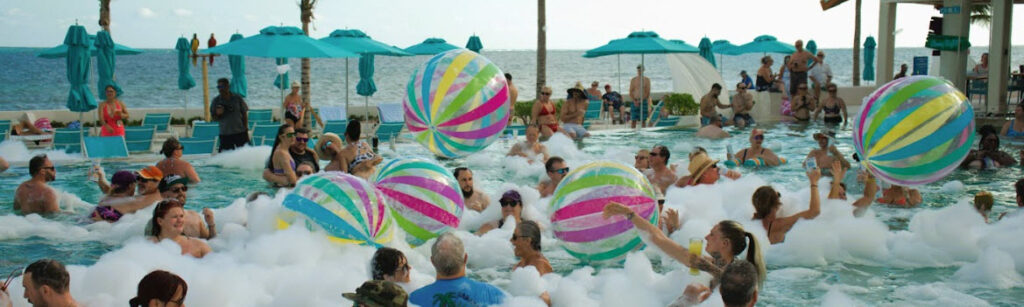
“We try and help people who are just starting up to put them in front of decision makers to get them pipelines to where they can start making money,” Fulmer says. “It’s a pretty good deal for them because they just have to show up, and we do all the legwork for them.”
In Cabo, one of the standout newcomers was Chewbies, a recently launched line of enhanced THC gummies that inked a big deal, thanks to the camaraderie and face time they had with retailers.
“Not everything happens in the meetings. Buyers and vendors do business on the side, too,” Fulmer says. “They talk and trade information back and forth. Everybody does business with everyone because we have events, like a cocktail hour, an award dinner, and planned excursions for those who want to participate.”
Inside, Outside USA
ATEC runs six to eight shows every year. While many occur at all-inclusive resorts in international destinations such as Costa Rica, Jamaica, and Cabo, a few take place stateside. On American soil, ATEC shows typically run for two to three days and focus more heavily on regional players. When preparing shows outside the national borders, organizers include more nationwide buyers.
“The international shows are more laid back. Our shows in the U.S. use the same concept; it’s just more compact,” Fulmer says. “Instead of a resort, we usually hold our shows at a really nice hotel. We’ve gone to places like the Omni in Nashville.”
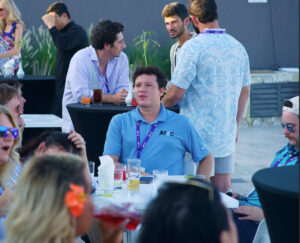
Even when the destinations lack exotic appeal, the shows’ primary focus stays the same.
“Yes, people have done this kind of show before, but we thought there was room for a more formal, professional environment for our industry, where everything was more structured,” Fulmer says. “That is kind of our goal: to put in front of those buyers, and you don’t have to worry about anything crazy happening, like somebody running off the resort or not showing up to a meeting. We kind of keep everybody together.”
The next international show is slated for Dec. 6-10, once again in Cancun, Mexico.
“The last show was all great. People told me they made plenty of money. Everybody says they’re coming back,” Fulmer says. “We put it together. All they had to do was show up and make deals.”