Congressional Caucus Calls for Marijuana Legalization in 2021
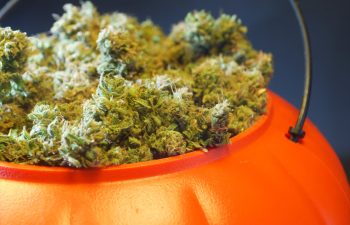
A progressive caucus has rolled out an agenda that calls for legalizing marijuana within the first six months of 2021.
Along with advocacy of decriminalization are broader issues of social and criminal justice reforms surrounding cannabis.
In order to dismantle racism and racial inequality, Congress must “reduce criminalization and incarceration through sentencing reform, legalizing cannabis, expunging records, and providing restorative justice,” the new People’s Agenda states.
“The People’s Agenda is the culmination of months of works to identify our shared progressive priorities for the start of the new Congress,” the caucus co-chair, Rep. Pramila Jayapal (D-WA), said in a press release. “Congress must govern with the urgency that this moment requires and restore power to the hands of the people.”
“The criminalization of poverty and the failed ‘War on Drugs’ have been key drivers of mass incarceration and racial injustice,” a supporting factsheet for the new caucus agenda prepared by the Institute for Policy Studies, Kairos, Repairers of the Breach, and Poor People’s Campaign states.
The document cites reports from the Drug Policy Alliance and ACLU showing that Black people are more likely to be arrested for drug offenses including marijuana despite comparable usage rates across races.
New Test Predicts Cannabis Strains
A research team led by the Weiblen Lab has developed a genetic test that can predict whether a cannabis plant will be one of three types: CBD-dominant, THC-dominant or intermediate with approximately equal levels of each. Beyond public policy implications, the research team’s findings could also make it easier for cannabinoid producers to choose their genetics—an improvement that is sorely needed in the evolving hemp industry especially.
FTC Continues Crackdown on “Unsupported” CBD Claims
On December 17th, the Federal Trade Commission (FTC) announced that it was acting against six companies selling CBD-based products while “making a wide range of scientifically unsupported claims about their ability to treat serious health conditions,” such as cancer, Alzheimer’s disease, and pain relief. Five out of the six companies had to pay a fine ranging from $20,000 to $85,000 – the first monetary sanctions issued by the FTC against CBD product manufacturers and sellers.
FDA Principal Deputy Commissioner Amy Abernethy assured, “The FDA’s first priority is to protect the health and safety of Americans. We remain focused on exploring potential pathways for CBD products to be lawfully marketed while also educating the public about these outstanding questions of CBD’s safety. Meanwhile, we will continue to monitor and take action, as needed, against companies that unlawfully market their products – prioritizing those that pose the greatest risk of harm to the public.”
High Hopes for CBD Skin Care Market
Consumer knowledge and acceptance toward CBD in personal care products is expected to fuel the CBD skin care market growth in the near future.
According to the “CBD Skin Care Market by Product Type, and Distribution Channel: Global CBD
Opportunity Analysis and Industry Forecast, 2019–2026,” published by Allied Market Research, the global CBD skin care market is anticipated to exceed $1.7 billion by 2025.
The producers of CBD-based cosmetic products still face challenges due to controversial nature of cannabis-derived ingredients in cosmetic products. The report suggests that brands need to take additional precautions during manufacturing operation to avoid cross-contamination between CBD and non-CBD products. As a result, many companies are planning to run a separate production line for CBD skin care products.
Beware of Fake Covid Vaccine Vapes
We’re all anxious for a solution to the Covid epidemic, but don’t believe everything you see or hear.
A perfect example of disinformation surrounding the virus is a photograph of a vape pen made to look like a COVID-19 vaccine produced by Pfizer. The image went viral online recently after appearing on Instagram—however, the so-called coronavirus vaporizer cartridge has been determined to be fake, as Pfizer has confirmed that the company has not released a single-use vaccine cartridge that’s meant to be smoked.
Upon analyzing the image, certified fact checkers found three errors – the Pfizer-BioNTech COVID-19 vaccine was not available in a vaporiser cartridge, Pfizer doesn’t manufacture the vaccine in China, and the vaccine is a two-dose vaccine.
The packaging surrounding the vape pen hints at the fact that the image is a joke—it actually features a slogan that describes Pfizer as “makers of ‘The Boner Pill.'”