Back in September’s issue, we opened the door on the world of cryptocurrency and how it’s currently being used in our society. However, the crypto space isn’t all sugar and spice; there are some risks involved, too. We recently sat down with Kaz, the creator of the Kazonomics token, who is currently experiencing the downside of the crypto craze.
Introducing Kazonomics

Kaz, also known as “The Weatherman,” launched his Kazonomics token in August 2025. It was so popular that he quickly gained recognition as one of Zora’s top creators.
“My brand is a pretty old brand. I’ve been in crypto since 2013. I created this persona under Kazonomics, and it became popular enough and accurate enough in crypto that I got onto CNBC in 2017,” Kaz said. “I created this branding around this messenger that was faceless. That master brand is my main brand concept, and I used it when I dropped this memecoin, which was under my actual brand name, Kazonomics, and it became the market leader and historical high market cap coin of Zora.”
For the uninitiated, Zora is a social app that lets anyone transform art, memes, videos, and podcasts into tradable cryptocurrency coins. With significant funding from Coinbase, one of the leading cryptocurrency exchanges in the world, Zora has since become a viable method for digital content creators who want to make money online. Or so it seemed.
According to Kaz, the team at Zora recently pulled the rug out from underneath his memecoin—a move that has left millions of dollars suspended in a virtual purgatory. Not only did they ban his account without reason, but they have designated his crypto token, Kazonomics, to sell-only status; ultimately wiping out the value of the token. With over 4,000 users invested, Zora’s rug-pull affects nearly half of the platform’s user base.
At the time of this writing, it seems that neither Kaz nor his investors will be able to recoup their lost funds. Kaz himself is out nearly $2 million, and many others have lost tens of thousands. One victim, Andrew Smith, with CannaLugh (Chicago’s only comedy, cannabis, and music event company), lost nearly $40,000. Before the rug-pull, Andrew was on track to make millions.
“Zora has a TV show, and they attempted to insinuate there’s something not quite honest about how we became big so fast. And a lot of the guys on the show are too young to even remember when we were big, because we’ve had our brand under attack for some years.” Kaz explained.
What is a Rug-Pull?
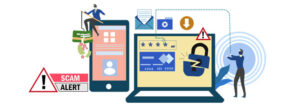
A crypto rug pull scheme occurs when a scammer creates a new token or NFT, collects investments from unsuspecting victims, and then abandons the project altogether. In this case, however, the creator of the token isn’t the one doing the rug-pulling. Instead, it’s the blockchain-based platform itself, Zora, that is accused of wrongdoing.
“What you have is kind of like, honestly, an organized criminal network stealing tens of millions of dollars, but doing it technologically in a world that most people don’t understand well enough,” Kaz said.
Kaz suggests that the recent rug-pull involving Kazonomics stems from another memecoin on the Zora platform, a scam coin that Kaz and his brand previously exposed as fraudulent. He views the Kazonomics rug-pull as an act of direct retaliation by the team at Zora. Moreover, this isn’t the first time that Zora has made headlines for shady dealings.
Back in November 2024, Zora users had to pressure the platform to remove a collection of fake NFTs. Once they finally did remove them, Zora withheld investor refunds. They pulled a similar stunt in April 2025 after removing several fake celebrity accounts on their platform, once again leaving investors without access to their funds.
All of these issues have prompted many users to boycott the platform altogether, with some going so far as to brand all of their social media posts with the hashtag #ZoraScam.
How You Can Protect Yourself
Many people are hesitant to invest in NFTs—and cases like this are the reason why. While the losses surrounding Kazonomics might have been unavoidable for investors in this case, you can generally protect yourself by thoroughly researching the platform you’re using, storing crypto in hardware wallets, and trusting your instincts. Generally speaking, if something is too good to be true, it usually is.
Sources:
https://otter.ai/u/OPbcT_XkQbWwPRj-2bCDh6hz32A?tab=chat&view=transcript
https://web.ourcryptotalk.com/news/zora-under-fire-for-suspending-accounts
https://www.kazonomics.com/about/
https://holder.io/coins/kazonomics/