As an early advocate for kratom, an herbal supplement derived from the mitragyna speciosa tree, James Morrissette established a pioneering manufacturing facility that produced top-quality consumables known for their energizing and pain-relieving properties. His unwavering passion and commitment to excellence contributed to kratom’s growing acceptance even before it became widely available in smoke shops, dispensaries, and convenience stores, making his Coral Springs, Florida-based MT Brands, a leading name in the industry.
“Kratom completely changed my life and allowed me to get off of dangerous and addictive opiates,” Morrissette says, reflecting on his personal experience with the supplement. “People are intrigued by natural herbs and are wondering if they do anything for you. . . the reason they’re drawn to kratom is that it works.”
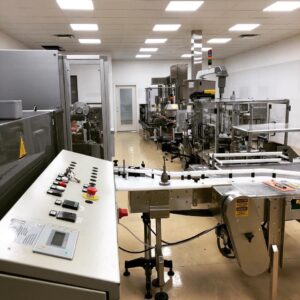
MT Brands ramped up production by importing container loads of kratom into the country. Morrissette was committed to producing kratom products in a Good Manufacturing Practices (GMP) and Hazard Analysis and Critical Control Points (HACCP) compliant facility, adhering to strict regulatory guidelines. He personally visited smoke shops throughout Florida, passionately extolling the virtues of MT Brands’ unwavering dedication to quality standards and educating store owners about the health and wellness potential of kratom. Morrissette’s efforts paid off, and MT Brands’ Bio Botanical kratom products gained widespread popularity.
The success, however, also caught the attention of the Food and Drug Administration (FDA), who sent US Marshals to Morrissette’s facility in 2021. The Marshals seized over 207,000 units of dietary supplements and over 34,000 kilograms of bulk kratom with a value of $1.3 million.
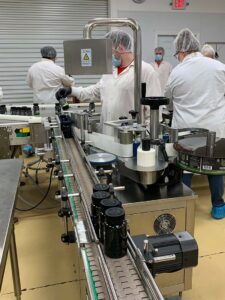
“Oh man, I was crying,” Morrissette says. “I wanted to do it right. I’d bought a full pharmaceutical line, paid an engineer to put the whole thing together, made sure that we had all processes and certifications in place, and registered with the FDA. That’s how they were able to walk in without a warrant.”
The legality of kratom in the United States is complex and varies from state to state. While kratom is technically legal at the federal level, some states have banned its use while others are taking steps to regulate it. The FDA, meanwhile, remains steadfast in its opposition to the sale and marketing of kratom as a dietary supplement.
The seizure of MT Brands’ kratom products by the U.S. Department of Justice (DOJ) was based on the allegation that the products were “adulterated” because they contained kratom, which is considered a new dietary ingredient for which there is inadequate information to provide reasonable assurance of its safety. However, MT Brands has defended its products by asserting that there is sufficient information available to show that their kratom products do not present a significant or unreasonable risk of illness or injury.
Despite the setback, Morrissette applauds the FDA’s oversight of kratom and expresses gratitude for their role in regulating the new product category, saying, “There has to be an opposing body that’s the extreme side of everything. Everybody fears the FDA, but without them, this would be the Wild West.”
MT Brands has paused kratom sales temporarily as they await clearer national legislation, while remaining supportive of the industry. In the meantime, they have shifted their attention to other herbal dietary supplements, including Tianaa, Phrenze, and Phenibut, which are consumed to enhance cognitive function, mood, and relaxation. Tianaa, in particular, is a proprietary blend of nootropics and natural herbs, including Sakae Naa, a plant that closely resembles kratom. According to Morrissette, Tianaa was designed to replace kratom in states where it was originally banned. MT Brands has taken the plunge into the cannabinoid space as well, having developed a line of uniquely combined hemp-derived THC varietals.
Unfortunately, success breeds opportunistic imitators looking to cash in. Despite having 32 patents in place, Morrissette encountered challenges when other companies sought to replicate his processes and products. Morrissette described these unscrupulous manufacturers as a persistent “whack-a-mole” problem, as new copycats would continue to emerge, one after the other. Morrissette’s primary concern lies in the contamination of a product category intended to promote health and wellness. This is largely due, he states, to subpar producers who rely on guesswork for formulating their products and neglect crucial quality and safety standards. As a result, this reckless approach poses a significant risk to consumers.
Considering the potential for negative publicity, whether smoke shops should carry these types of products is an important consideration. Morrissette acknowledges the dilemma but emphasizes that products made by manufacturers, like MT Brands, who are GMP compliant and provide product details including up-to-date certificates of analysis, should be given the green light. This ensures that the products meet stringent quality and safety standards supported by reliable documentation.
“I welcome distributors and retailers to call us directly and we will answer any questions they have,” Morrissette states. “MT Brands was built on integrity. We adhere to the age-old approach of sheer honesty and accuracy.”