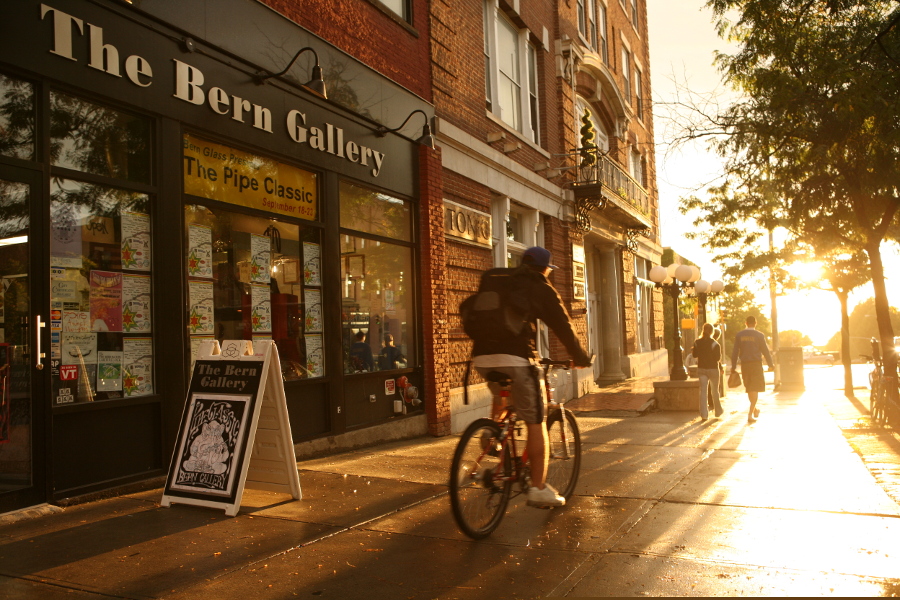
 Whether it’s pushing the glass medium to its outermost limits, providing artists with a platform or patrons a marketplace, the Bern Gallery, in Burlington, Vermont, is, and always has been, the torchbearer and leader of the northeastern counter-culture scene.
Founded in 2004 by Tito Bern and Mikaeeala Boman, the Bern Gallery was the couple’s response to missing elements they’d discovered in other smoke shops they’d visited as both glass blowers and wholesalers.
“We saw tons of people opening shops simply because they knew they could,” Bern says. “For us — we had to open a shop because we were so entrenched in the pipe world and glass blowing community and wanted to represent the way we as glass blowers do things.”
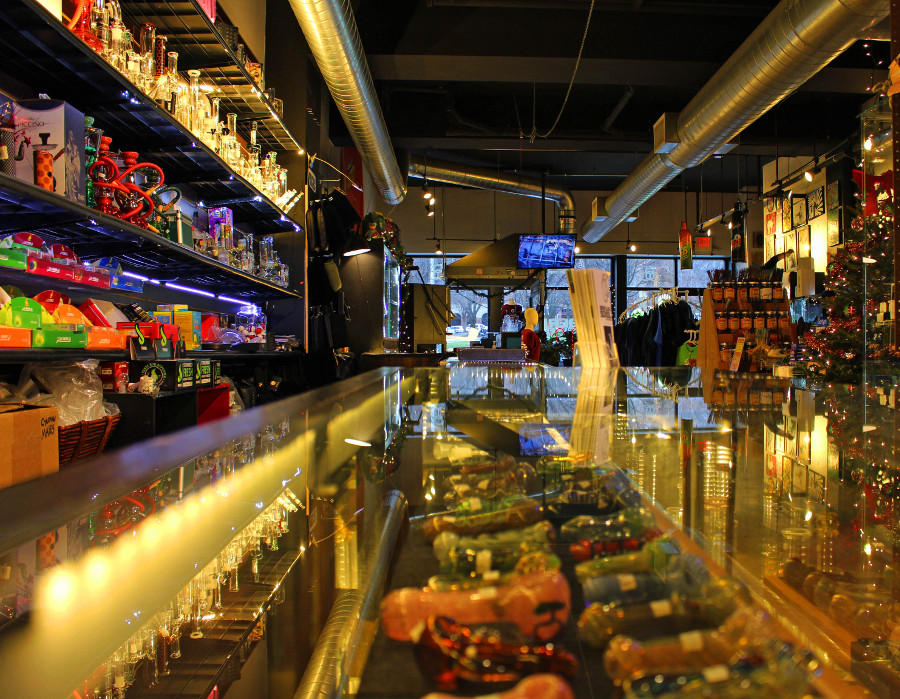
In a time when imported glass is as easily obtained as opening a catalog, many shops seemed to overlook the importance of the independent pipe making scene. The Bern Gallery supports its local artists, but as it’s a small community, only about 20 percent of the pieces for sale come from the New England region. The rest come from around the country, from in-house glass blowers, and from artists attracted to the notoriety of the Bern Gallery’s annual pipe making competition.
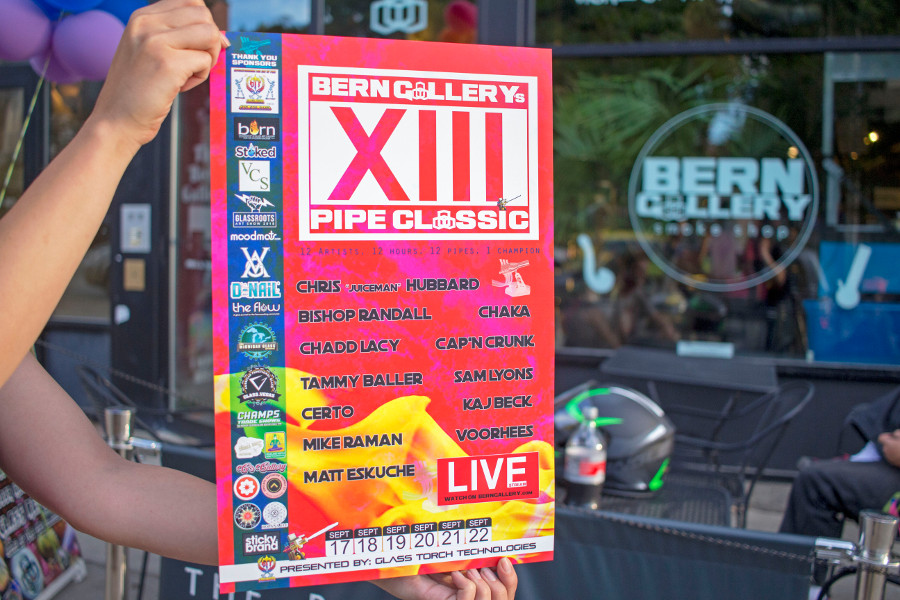 The Bern Gallery’s Pipe Classic, started in 2006, has evolved into a nationally recognized live glass blowing event with specially selected entrants — a Who’s Who of glass artists taking part. The annual event holds the distinction of being the very first pipe making competition ever held anywhere. An 11-member committee keeps everything fair. Its winner takes all with pieces judged by some 200 members of the glass community. As the slogan goes: 12 Artists. 12 hours. 12 Pipes. 1 Champion.
Not only can you see beautiful glass pieces at the Bern Gallery, you can also learn to make pipes, pendants, and marbles at the shop’s glass art school. As you’d expect of a shop with a focus on glass, they also offer pipe cleaning and repair.
 In January 2018, Vermont became the ninth state to legalize marijuana. The proliferation of cannabis legalization has had an impact on glass sales. But according to Bern, not necessarily as positive a one as you might think.
“The scary thing is that people aren’t using glass as much,” Bern says. And being a smart businessman, he’s made sure to stock other smoking related products.
“A lot of the time that means carrying a product that has absolutely no artistic value — it’s simply a product, like a portable vaporizer or twisty glass blunt, that everyone wants. CBD is one of the fastest selling products in the shop — as long as the company is legit and we have their lab reports, we’ll put it in the case,” Bern says. “Im an entrepreneur before being a glass blower, and having a smooth-running successful business is the greatest joy.”
All any shop can do, Bern points out, is react to the changing environment.

The Bern Gallery is proud to promote independent glass artists, but uses a hashtag rather than linking to them on social media to deter potential customers from buying direct. To get the nicest of the nice glass pieces into the shop, Bern sometimes gives artists a sweet 80/20 commission split. Many times, the artists producing the headies will have less expensive pendants and production lines that are attractive to fans on a budget.
“Glass will always go through ebbs and flows, but it will always be part of the smoke shop community,” Bern says. “If you like flower, a glass pipe is the cleanest, best way to smoke it. Fans of the art part of pipe making are a very small group whereas users of cannabis are a huge group.”