

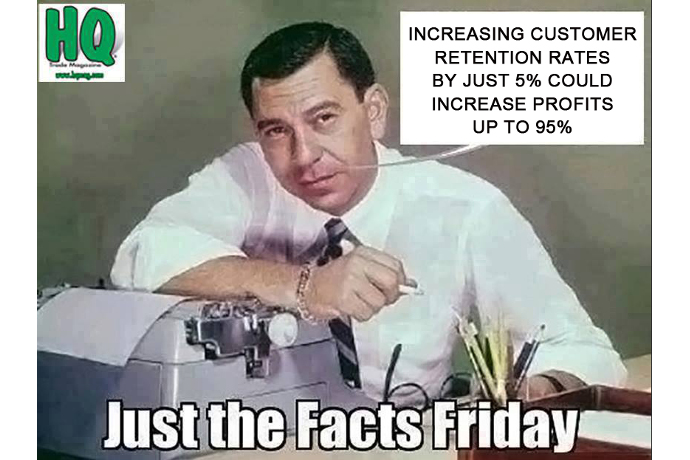
According to research from Harvard Business School, increasing customer retention rates by 5 percent increases profits by 25 percent to 95 percent. How that math works out, is kind of mystery, but it’s Harvard and they’re pretty smart there, so it must be legit.
One thing’s for certain, there’s a lot of choices in the smoke shop industry these days. It used to be that the town smoke shop was the place to get your pipes and the back alley was the place to get your herb. Now the smoke shop is just one option; there are shops more akin to galleries with high end glass, and others dedicated to vaping. And every corner convenience store has gotten into the game as well. There are dispensaries offering a complete menu of cannabis products from flower to edibles, and stores that cater to the booming CBD market.
With so many options, retailers really need to have a strategy for customer retention. A low customer retention rate is like filling a bucket with holes in the bottom — sure, you could keep pouring more on in make up for it, or you could figure out what caused the holes and how you can patch them up. Finding customers is easy; retaining customers takes effort.
With all that in mind (unless you skipped right to the good part) here are three smart ways to keep your customers coming back and ultimately boost your bottom line.
Look in the Mirror
Most people prefer products and companies that “resemble” them in some way. It’s an ego thing. To attract the customers you want, you need to identify your target customers down to the last detail, then craft a message that matches their pains, goals and aspirations. It’s easier to fill this existing demand than to create one.
Reward Loyalty
Get to know your customers and provide relevant value through a customer loyalty program. These programs provide deeper insights into your customers and also helps you stay top of mind. And who doesn’t like free stuff — am I right? When executed properly, loyalty programs increase customer lifetime value. Plus, basket size inevitably increases, as the majority of consumers who belong to loyalty programs will adjust spending to maximize rewards. And they’ll return for future purchases to gain or redeem their rewards.
Keep Your Employees Happy
Relationships 101: People like to be around people they like. A US Chamber of Commerce report cited a Sears study linking employee satisfaction to customer retention. Research showed that “if employee satisfaction were to improve, there would be a corresponding improvement in customer satisfaction. The study also found that quarterly revenue would then grow by about 1.6%.” Be good to your employees. Lift their spirits, and they’ll serve your customers better. This, in turn, will boost loyalty and generate repeat sales.