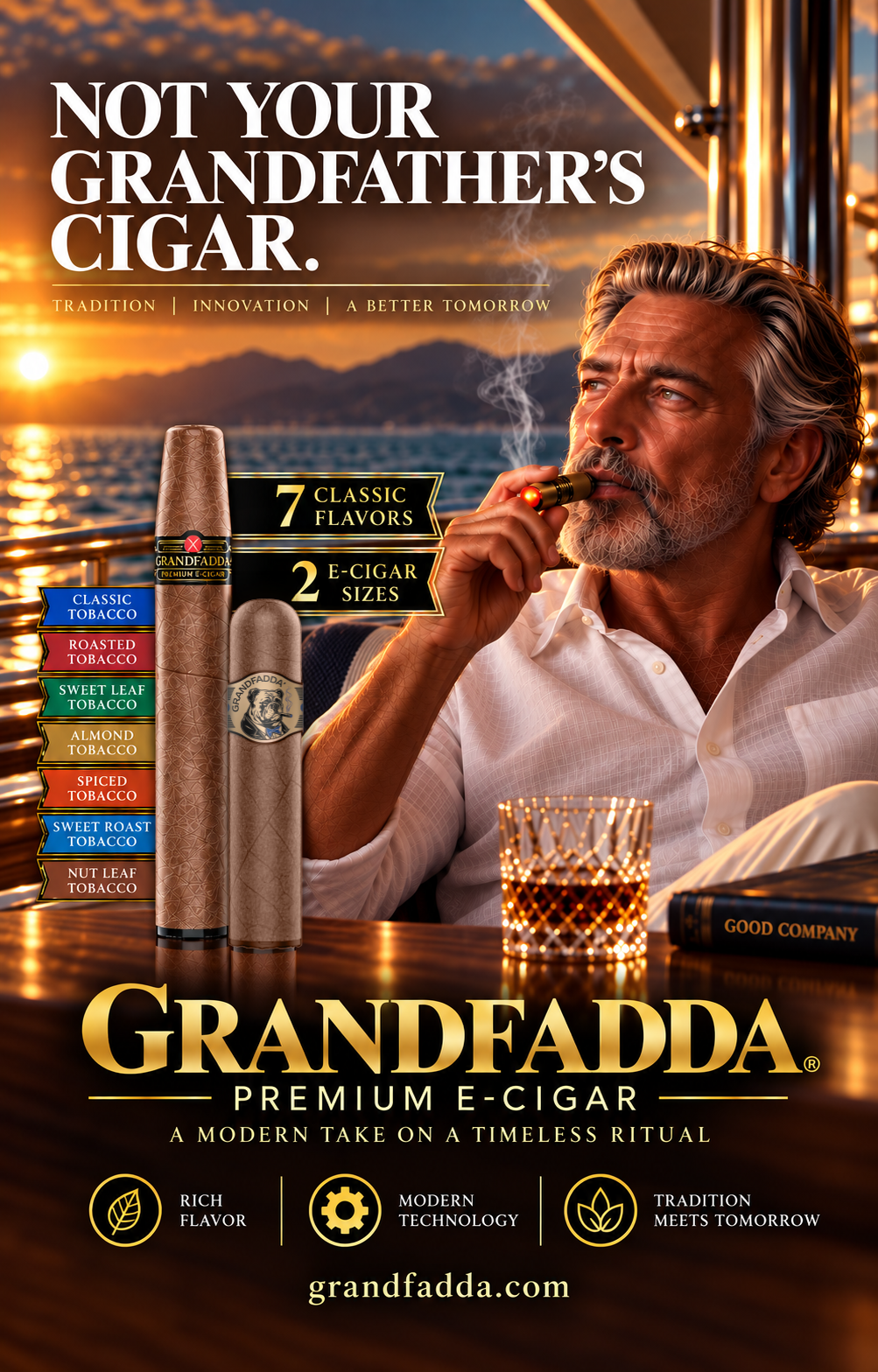
When you walk into a smoke shop today, you might notice the glass cases that once held rolling papers and blunt wraps now display CBD tinctures, functional mushroom capsules, kava elixirs, and hemp-infused sparkling water. The staff might talk to you about terpene profiles, cortisol levels, and a new vape line.
It is definitely not your grandfather’s tobacco counter, and it is not quite the head shop of the counterculture era either. The modern smoke shop has evolved into a curated wellness boutique that blends alternative lifestyles and mainstream wellness culture.
The Sober-Curious Movement
Sober is cool now. According to NCSolutions, nearly half of all Americans, 49% to be exact, planned to drink less in 2025, representing a 44% increase from 2023. Among Gen Z, 61% reported plans to cut back, a 53% year-over-year jump.
Hemp-derived THC beverages, kava elixirs, kratom shots, and CBD-infused sparkling waters have become the go-to alternatives for consumers who want a shift in consciousness or relaxation without alcohol. The kratom and kava beverage market, for example, was estimated at $500 million in 2025 and is projected to hit $1.8 billion by 2033. Things are getting very sober!
Botanicals Are Stepping In Where Pharmaceuticals Step Back
There is also a parallel retreat from conventional pharmaceuticals for everyday concerns such as stress, sleep disruption, chronic pain, and brain fog. Consumers increasingly want solutions that are natural and holistic.
 Functional mushrooms like lion’s mane for cognitive clarity, reishi for stress and immune support, and cordyceps for energy and endurance have made a journey from health food store specialty to standard smoke shop shelf.
Meanwhile, natural CBD extracts continue to anchor the plant-based wellness aisle, with CBD products now described as a retail staple for those seeking non-pharmaceutical support for anxiety, inflammation, and sleep.
It is important to note that customers today demand information on sourcing and production. Shops that can provide this transparency will build lasting loyalty, which will be economic proof.
Harm Reduction
While some consumers want to quit tobacco, others want a safer way to smoke. The harm reduction category has exploded, anchored by two product types that are changing the nicotine aisle: advanced vaping devices and spitless oral nicotine pouches.
Brands like Zyn, Velo, and On! have normalized the pouch format with a mainstream audience that values convenience and discretion. In January 2025, the FDA formally authorized marketing for 20 ZYN products, lending institutional legitimacy to a category that smoke shops have carried for years.
Dry herb vaporizers and next-generation pod systems round out the harm-reduction shelf, offering combustion-free alternatives to customers who are not ready to quit.
Who Is Walking Into These Stores Now?
Previously, smoke shops carried a specific social charge; they were a place for insiders and a clear sign of the oh-so-cool rebellion.
The person walking through the door of a wellness smoke shop in 2026 may be a yoga practitioner, a night-shift nurse winding down, a college student exploring alternatives to drinking, or a retiree curious about CBD for joint pain.
It seems the counterculture is no longer just the counterculture. It has undeniably become the culture.
Gen Z and Millennials are driving a sweeping cultural shift away from alcohol and toward alternative forms of relaxation, wellness, and social ritual.
Younger consumers arrive far more educated than previous generations. They ask about cannabinoids and terpenes. They research effects before they shop. They seek products that align with their structured self-care routine.
You need to invest in clean, aesthetic store design, knowledgeable staff, clearly labeled products, and educational displays that make them accessible to the new consumer who has sprung up.
What a Wellness Smoke Shop Must Carry
At its core is a strong functional beverage offering. THC-infused drinks, kava seltzers, kratom shots, and CBD tonics. Complementing this are mocktail mixers and cannabis-inspired aperitifs, allowing customers to keep the ritual of drinking without alcohol.
 Beyond beverages, stock plant-based supplements like CBD tinctures, kava, kratom, ashwagandha, and sleep aids. Functional mushrooms add another layer, targeting focus, stress, energy, and immunity in fun formats like gummies and coffees.
For everyday use, low-dose edibles and mints provide discreet, functional benefits such as focus, calm, or sleep support.
Finally, premium glass and ritual accessories remain essential for elevating the experience and preserving the cultural roots of smoke shops while aligning with a more intentional, wellness-driven lifestyle.
Is This a Passing Trend or a Permanent Reinvention?
Wellness trends seem to come up and pass every few years. However, this does not seem to be the case with smoke shops.
The U.S. smoke shop and tobacco accessories market hit $112.82 billion in 2024 and is projected to surpass $180 billion by 2030. This is a compound annual growth rate of 8.15%. The accessories segment alone stood at $72.5 billion in 2025 and is expected to exceed $105 billion by 2035.
An additional driver of this growth is the expanding product array sold by smoke shops. Delta-8 and Delta-10 products, CBD edibles, hemp-derived beverages, nicotine-free vape lines, kratom blends, and functional mushroom products have all found a home on these shelves. There has been a gradual but permanent definition of smoke shop identities.
Looking to get the most from your CBD? Check out Lung, Tongue, and Skin for information on how different consumption methods affect absorption and effectiveness so you can choose the option that best fits your needs.