Miracle Nutritional Products

The company known as “Miracle Nutritional Products” is like a bullet in perpetual motion. Since 2013 they have been involved in the e-liquid and CBD space, and in 2018 added another new product line that is getting a lot of attention, excitement—and sales.

Mushrooms.

Miracle’s owner, David Zeuner, has been an innovator in CBD for a decade, and still manufactures a full array of CBD products, but their new Lion’s Mane Mushroom gummy is surpassing CBD gummy sales in less than one year.

He sees mushrooms as being the “Product of 2023,” and offers several different varieties. Lion’s Mane (Hericium Erinaceus) was launched in 2018, but it has taken four years for the public, and smoke shops, to be ready for it.

“We did a lot of research on pubmed.com to determine which mushrooms offered the greatest benefits,” Zeuner shared, “and what used to be underground or taboo, is getting recognized for their value. Thankfully, the laws and regulations are permitting research to be done.”
He continues: “That species was chosen due to its antioxidant, anti-diabetic, anti-inflammatory properties, and it improves cognitive function and memory. Plus it’s healthy to eat!”

The medical community may finally be ready for natural products post-COVID, and they are more skeptical of Big Pharma and the FDA. Many had no idea that these kinds of products were being studied, and that they can help many ailments. These “functional mushrooms” have no psychotropic properties, so they are safe to use under most situations.

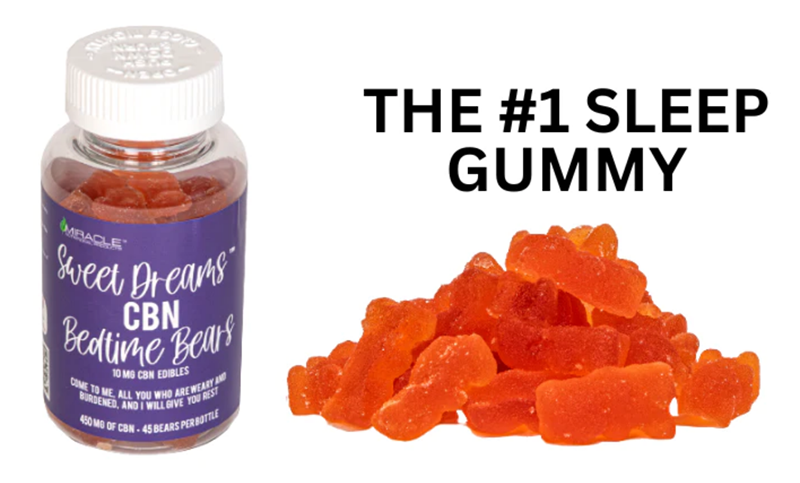
Miracle offers Lion’s Mane plus several other mushroom varieties, including Reishi, Ashwagandha, and Cordyceps gummies, along with all forms of CBD and CBN, plus a variety of nutritional and diet products. They also offer private labeling with no minimum MOQ.

Every vape and smoke shop is looking for new and innovative products, and with mushrooms becoming more socially acceptable, they are an ideal partner to help your sales numbers.


Recent Articles

Even without the representation and recognition they deserve, women have always been at the center of the cannabis movement.
There are objects Americans buy because they need them, and objects Americans buy because they let them be a certain kind of person. A perfectly functional version exists, usually for a fraction of the price. But the other version comes with a name, a story, and a reason to pay extra.
Walk into any warehouse rave, desert gathering, or rooftop after-hours in 2026, and you’ll feel it: the psychedelic underground is back, louder, weirder, and far more self-aware than its ‘60s predecessor ever imagined.
In 62 BC, Julius Caesar announced his plan to divorce his second wife, Pompeia. She had been involved in an ancient Roman sex scandal, accused of flirting with another man during a women-only religious event.
ile Mike Wittenberg sat in a Dominican Republic prison, a thought occurred to him. “I could appreciate flushing the toilet,” he said. “When you’re in a third-world jail without running water 23.5 hours a day, you learn to appreciate the little things.”
When it comes to marketing, cannabis is different from every other consumer good available today. If sales start to dip in traditional retail, you can simply increase ad spending. However, with companies like Google, Meta, and even traditional broadcasters placing strict bans or severe limitations on cannabis advertising, the standard “pay-to-play” system just doesn’t work.
It feels impossible sometimes to escape the more ridiculousness aspects of pop culture—like pickleball, whatever a Labubu is, and the inevitable media frenzy surrounding Taylor Swift and Travis Kelce's upcoming wedding. Thankfully, there’s at least one trend that’s still on the rise that I can get behind, which is kratom.
When Adelia Carrillo (Fakhri) and Parisa Rad first sat down for brunch in Phoenix, AZ, with a few other women in the cannabis industry, they had no idea how that moment would change the trajectory of their lives. “The energy in that room was transformative,” Adelia says.