You can put up all the high-tech security cameras you want, but preventing theft in your store, still comes down to you.
Most small businesses are exactly that — small. They’re not Walmart with endless isles and blind spots that obscure shoplifters while their doing their dirty deed. When a customer comes through the front door it’s fairly easy to keep tabs on them while they do their shopping. Still, along with small size comes a smaller staff. When a store is busy, it’s hard to keep an eye on everyone. All it takes is a second for a clerk to look down to work the register or turn their attention to answer a question and that’s more than enough time for a sneaky thief to pocket something off the shelf.
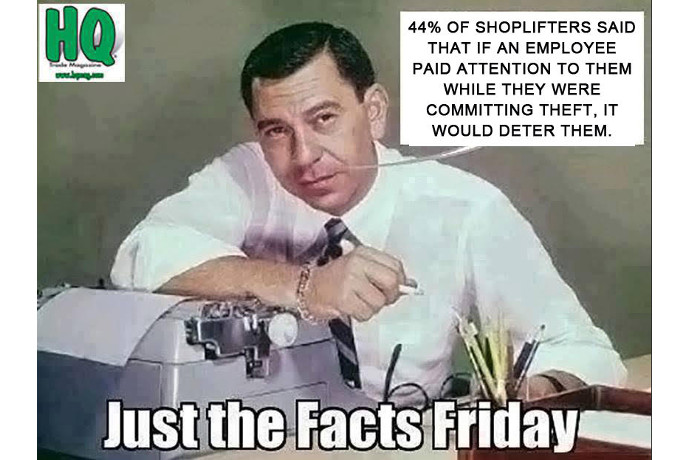
Over half of all shoplifters act on “impulse.” That means they only steal when there’s ample opportunity and there’s a good chance they’ll get away with it. According to the Loss Prevention Research Council, 44% of shoplifters interviewed said they would be deterred from committing theft if employees paid more attention to them.
Your best theft prevention measure, then, should be something you’re already doing — giving your customers your attention. Simply saying something like: “Welcome to (store name). How can I help you?” or “Hi. I will be with you in a moment,” lets customers know they exist. A smile, and friendly greeting, and eye contact all make your customers more likely to stay honest, as they roam about the store.
It’s hard to watch customers when you don’t know they’ve walked in the door. Put a bell on your store’s door to alert your staff every time a new customer walks in or leaves.
Having more than one employee working a shift is not only good for keeping the checkout lines moving, it obviously helps with security. If all of your employees seem to have their focus away from the sales floor, this makes it much easier a dishonest customer to take advantage of the situation.
Your best theft prevention measure, then, should be something you’re already doing — giving your customers your attention. Simply saying something like: “Welcome to (store name). How can I help you?” or “Hi. I will be with you in a moment,” tells customers you know they exist. A smile, and friendly greeting, and eye contact all make your customers more likely to stay honest, as they roam about the store.