Create a Difference by Supporting Local Artists

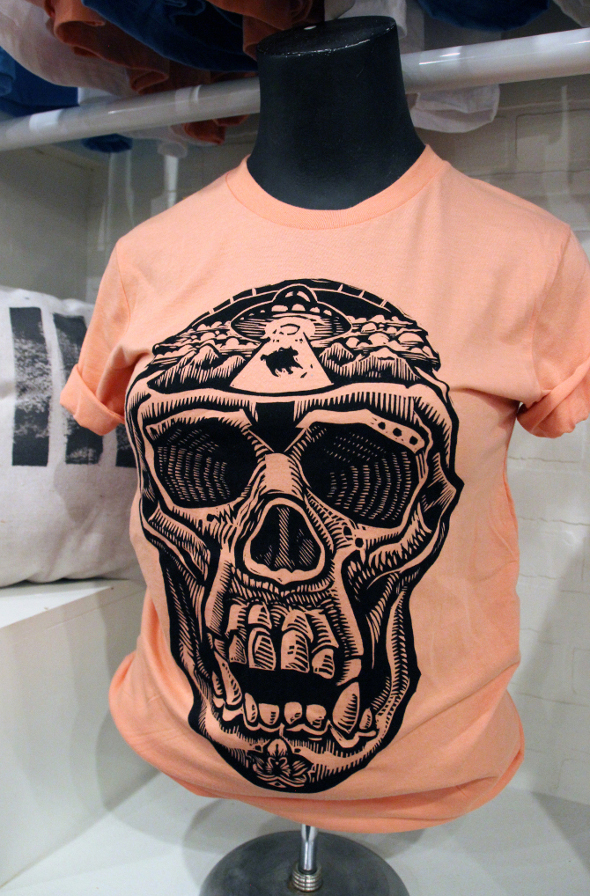
Stumbled into a boutique in Spokane, Washington and found this dope shirt (pictured) by local artist Reinaldo Gil Zambrano. He has a studio @rgzprints where he specializes in relief and intaglio printmaking where visual narratives are carved into woodblocks and printed by hand on paper, T-shirts and totes.

Point being — I could have shopped at Nordstom’s and bought the same shirt being worn by somebody on the other side of the country. But I’m an individual and I like to be different.

Your store is an individual too — or at least it should be. What good is it to have the exact same products as the shop in the next city or the next state? Sure some of the things you sell are staple items by national vendors, and that’s good business. But take a look at your local art scene and you’re likely to find some uniquely local items that would create (pardon the pun) a personal experience for your customers.

Here are three ways you can benefit from supporting local artisans and craftspeople:

1. It Represents Your Region: Many local artists seek inspiration from the people, land, and culture that surrounds them. Having their work for sale in your shop is not only attractive to locals and visitors, but truly ties your business into your area.

2. It Brings the Community Together: Art brings people together. No matter how personal values and opinions differ from one individual to the next, everyone can foster an appreciation for art by taking the time to experience the work of local artists.

3. It Fosters a Consumer-Artist Connection: With today’s mass production, there is rarely an interaction between the consumer of a product and those who have created it. When you bring locally made art into your shop however, you give your customers the opportunity to connect with the person who created the work. This is also advantageous to your business in a practical way — that artist has fans that may never otherwise have shopped at your business.

Recent Articles

Even without the representation and recognition they deserve, women have always been at the center of the cannabis movement.
There are objects Americans buy because they need them, and objects Americans buy because they let them be a certain kind of person. A perfectly functional version exists, usually for a fraction of the price. But the other version comes with a name, a story, and a reason to pay extra.
Walk into any warehouse rave, desert gathering, or rooftop after-hours in 2026, and you’ll feel it: the psychedelic underground is back, louder, weirder, and far more self-aware than its ‘60s predecessor ever imagined.
In 62 BC, Julius Caesar announced his plan to divorce his second wife, Pompeia. She had been involved in an ancient Roman sex scandal, accused of flirting with another man during a women-only religious event.
ile Mike Wittenberg sat in a Dominican Republic prison, a thought occurred to him. “I could appreciate flushing the toilet,” he said. “When you’re in a third-world jail without running water 23.5 hours a day, you learn to appreciate the little things.”
When it comes to marketing, cannabis is different from every other consumer good available today. If sales start to dip in traditional retail, you can simply increase ad spending. However, with companies like Google, Meta, and even traditional broadcasters placing strict bans or severe limitations on cannabis advertising, the standard “pay-to-play” system just doesn’t work.
It feels impossible sometimes to escape the more ridiculousness aspects of pop culture—like pickleball, whatever a Labubu is, and the inevitable media frenzy surrounding Taylor Swift and Travis Kelce's upcoming wedding. Thankfully, there’s at least one trend that’s still on the rise that I can get behind, which is kratom.
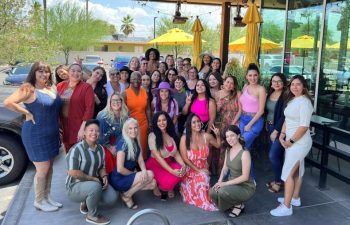
When Adelia Carrillo (Fakhri) and Parisa Rad first sat down for brunch in Phoenix, AZ, with a few other women in the cannabis industry, they had no idea how that moment would change the trajectory of their lives. “The energy in that room was transformative,” Adelia says.