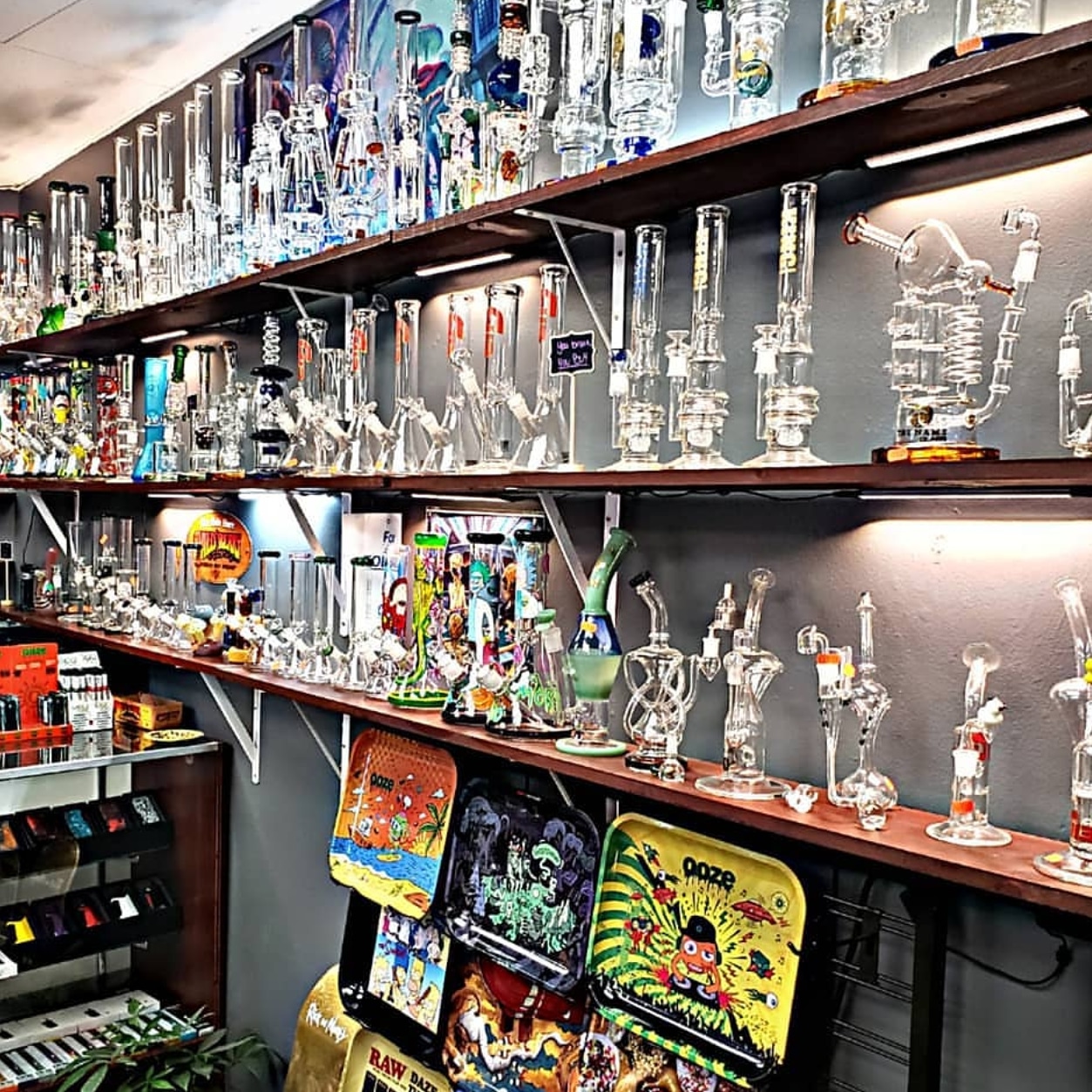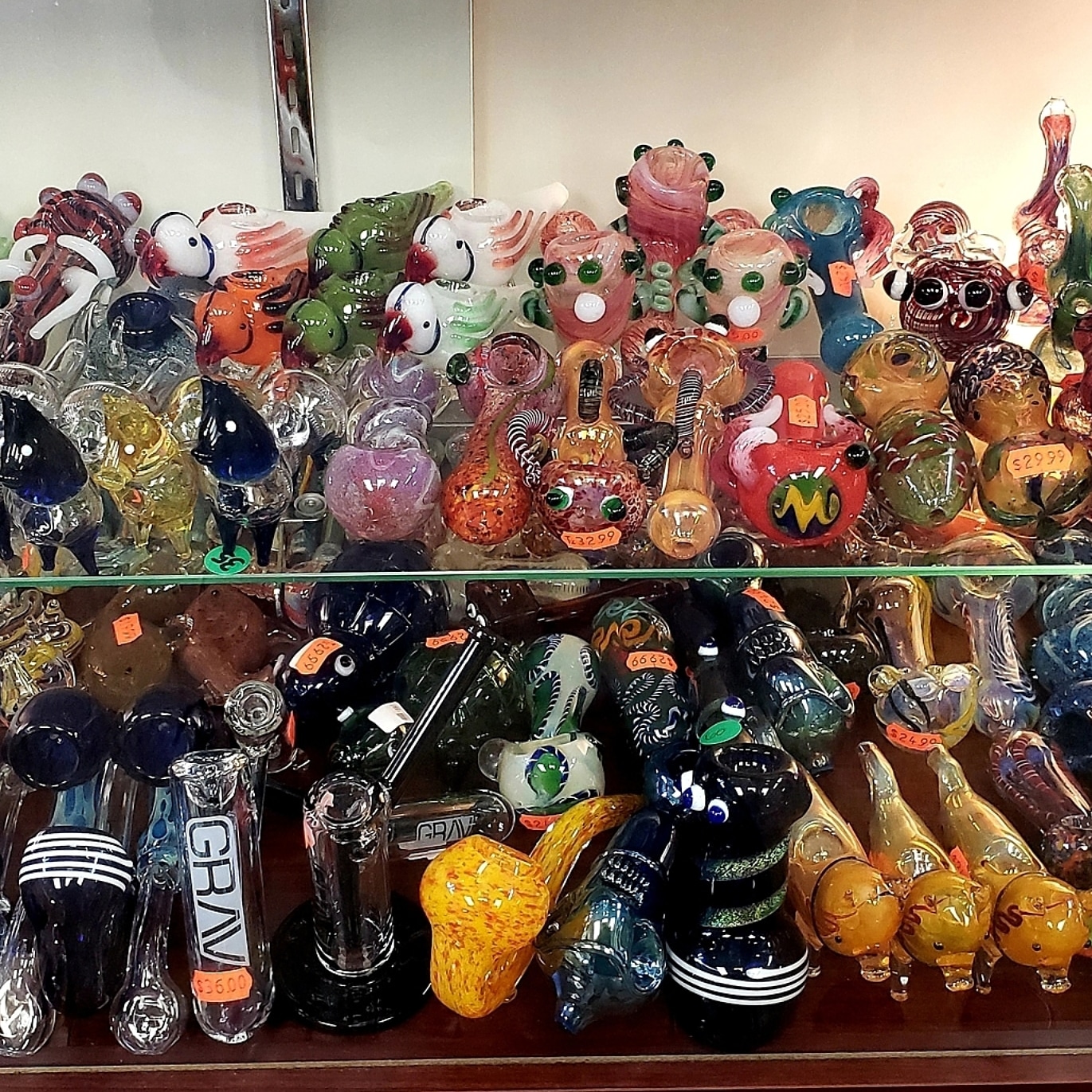
Eastside Glass Takes Elyria
Nelson Talks Friendship, Loyalty and Self-belief
The odds weren’t exactly stacked in his favor. There were no silver spoons in his childhood, nor was there even a steady place to store them. By standard definition, early life for Nelson wasn’t a childhood so much as it was a hustle for survival.
“We were in a tight situation,” Nelson recalls. “We didn’t have any money. My mom got super sick. She was in and out of the hospital, so we were just, like, bouncing from place to place. We pretty much grew up everywhere.”
It’s important to note that by “everywhere,” he is in no way implying globetrotter status. He means he and his family hopped around the various neighborhoods in the south end of Elyria, the town in which he now owns and operates two businesses. Clearly, a lot has taken place between the beginning of this narrative and where the chips fall now.
It began with a few encouraging words.
“I was working for some dudes who came to be great friends, like brothers for real,” Nelson reflects. “I worked for them for over a year, crazy hours—like 15 or 16 hours a day—and they kept telling me, like, ‘Man, you would do great at your own store.’ That thought stayed in my head. I started to believe it. Like, maybe I probably would do great running my own small shop.”
The suggestion turned into a dream and with the help of his then-employers, that dream eventually materialized.
“They were four brothers,” he explains of his former bosses. “I approached them one at a time and was just like, ‘Man, you keep saying I’d be good running my own business, but the thing is, I don’t have any money to start it. Can you help me out?’ . . . They eventually got together and discussed it, like, ‘What do you think of this kid . . .’” he hesitates for a moment.
“I’ll just say it,” he continues. “They were like, ‘What do you think about giving this young black kid some money?’ I mean, these are four dudes of Middle Eastern descent talking about helping out a black kid. And I guess they all came to the conclusion that it was a good idea.”
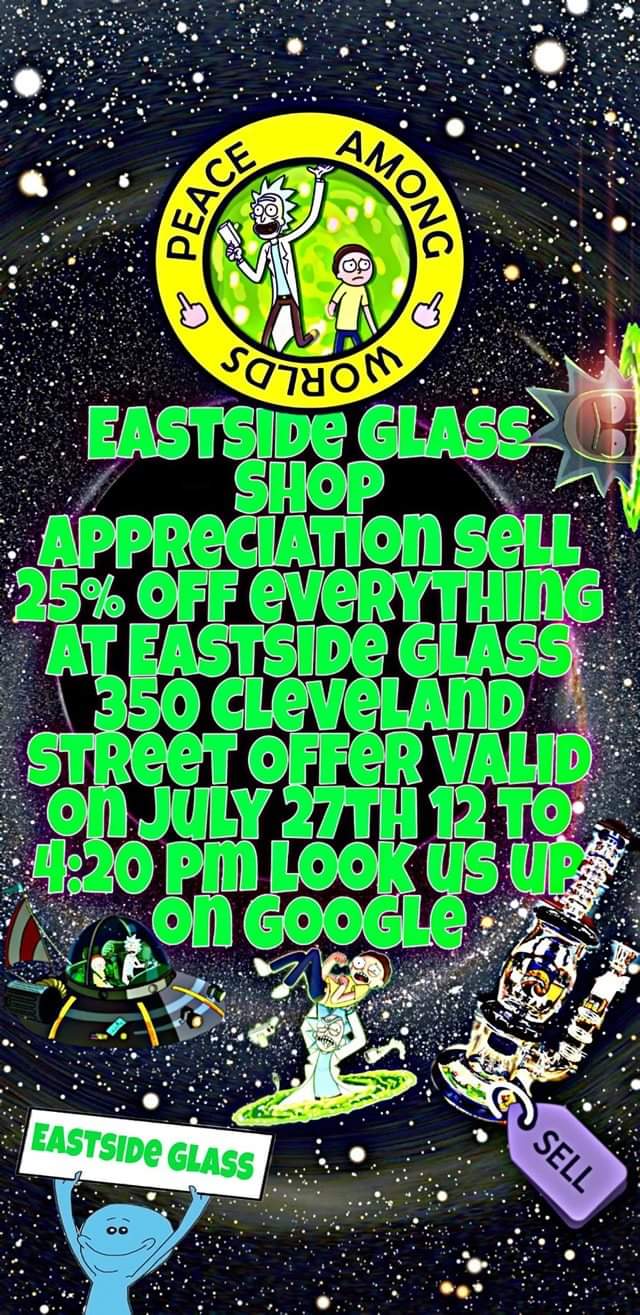
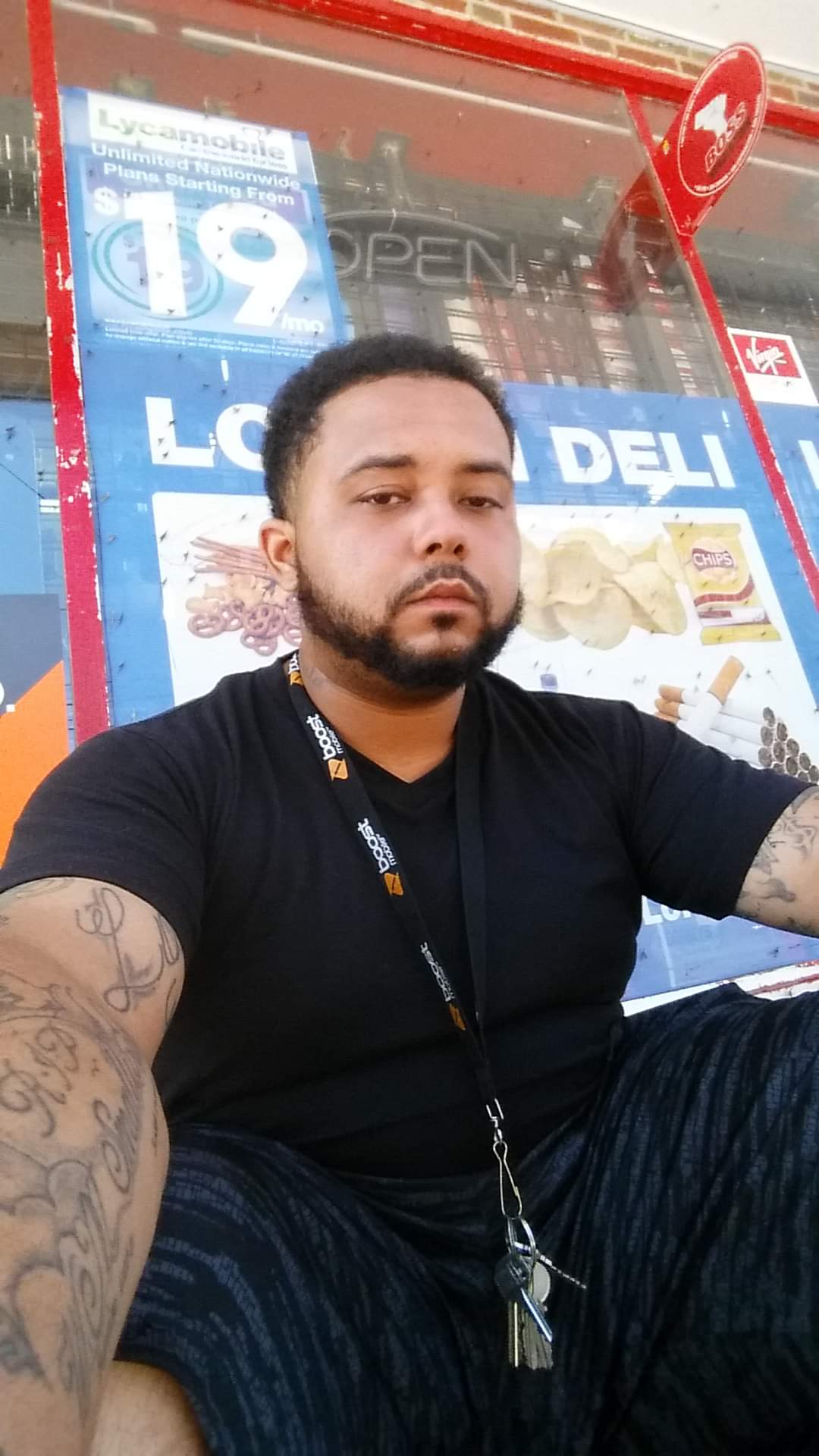
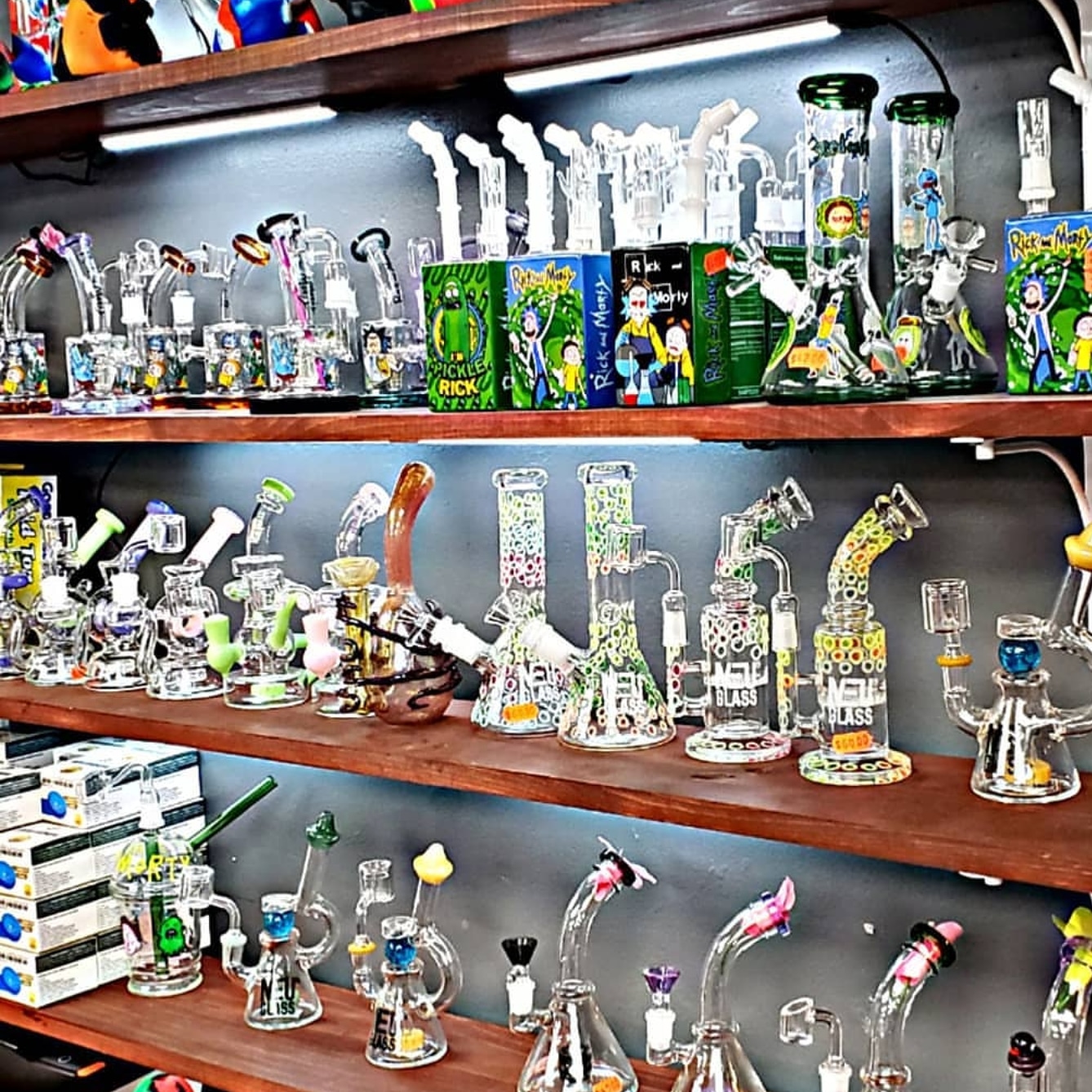
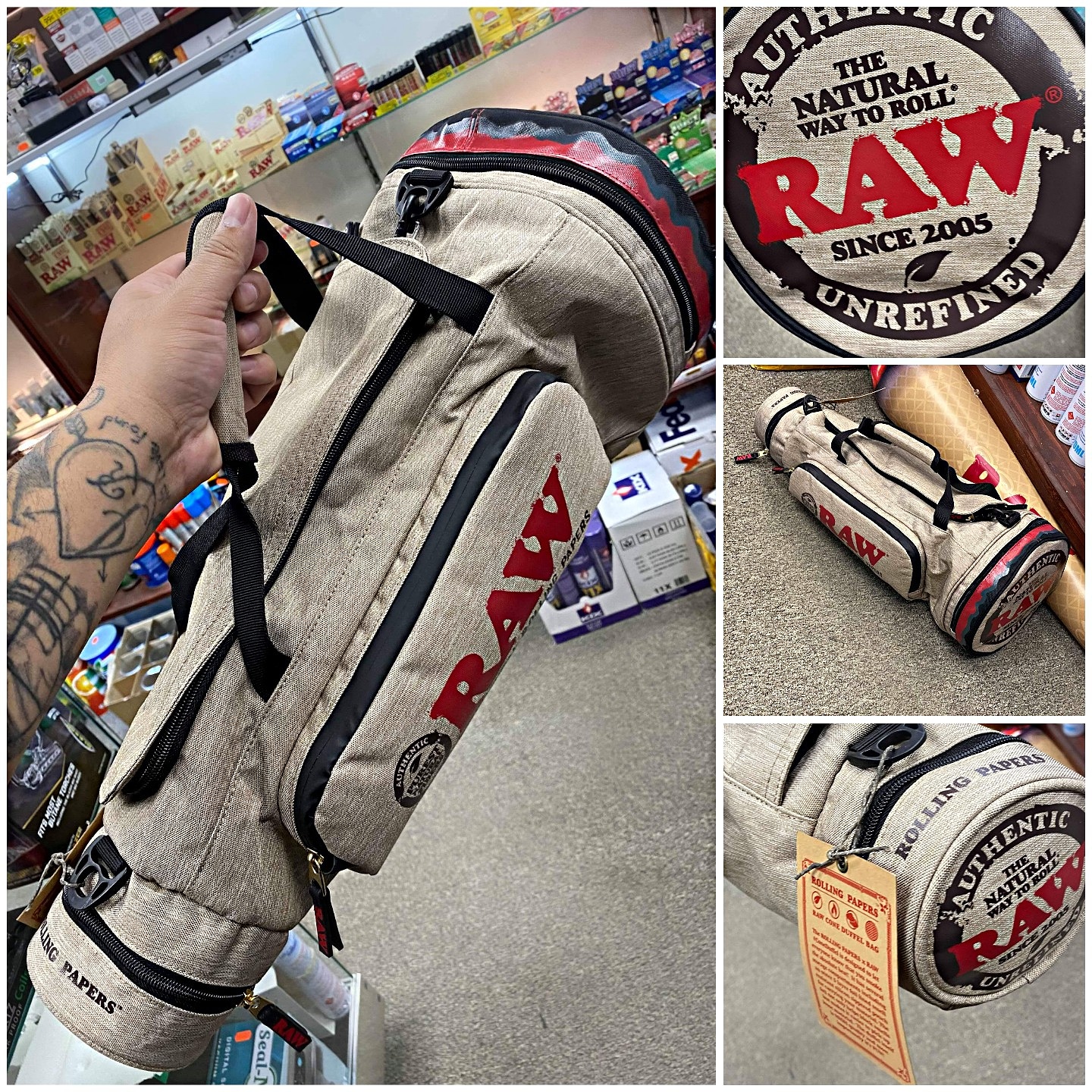
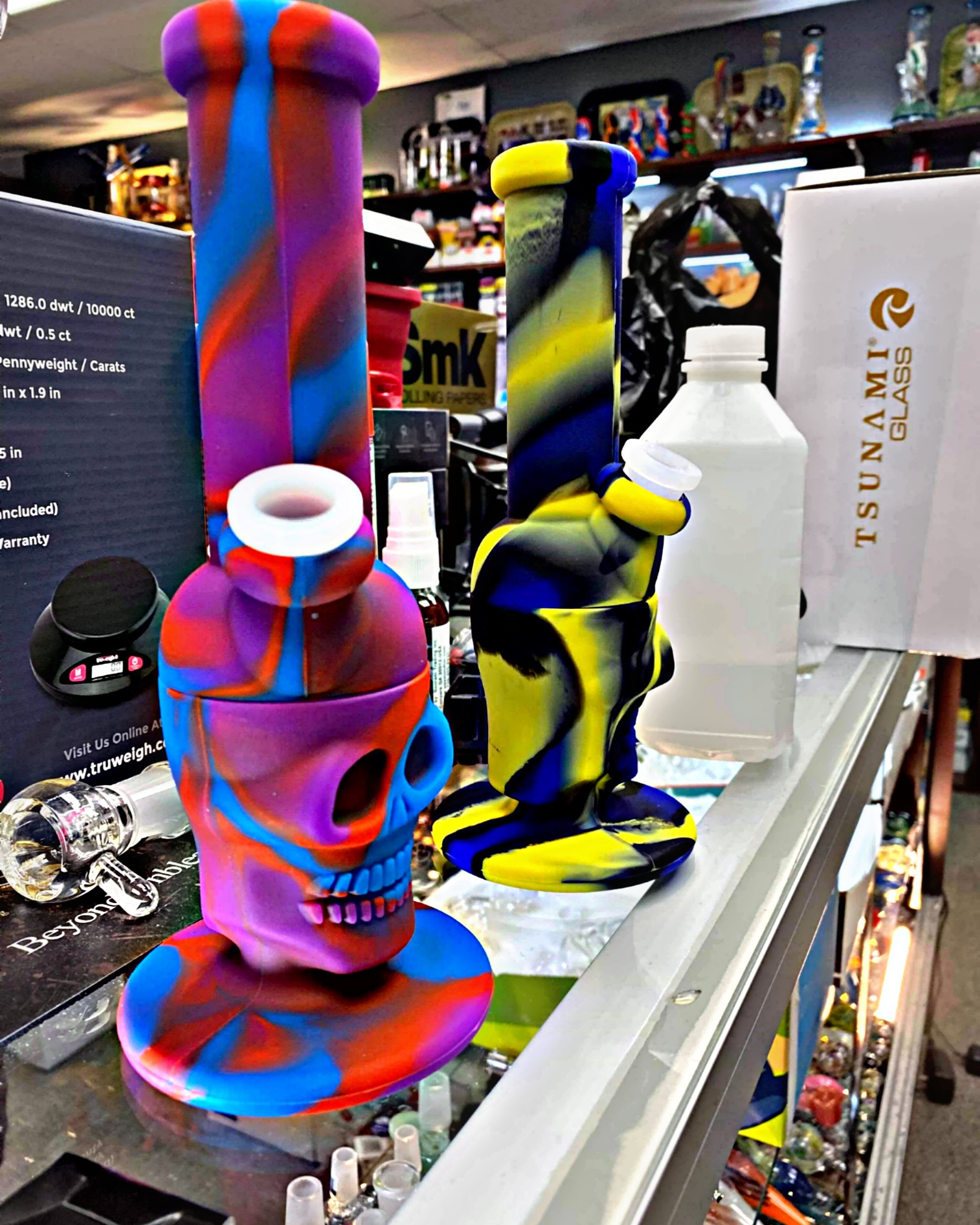
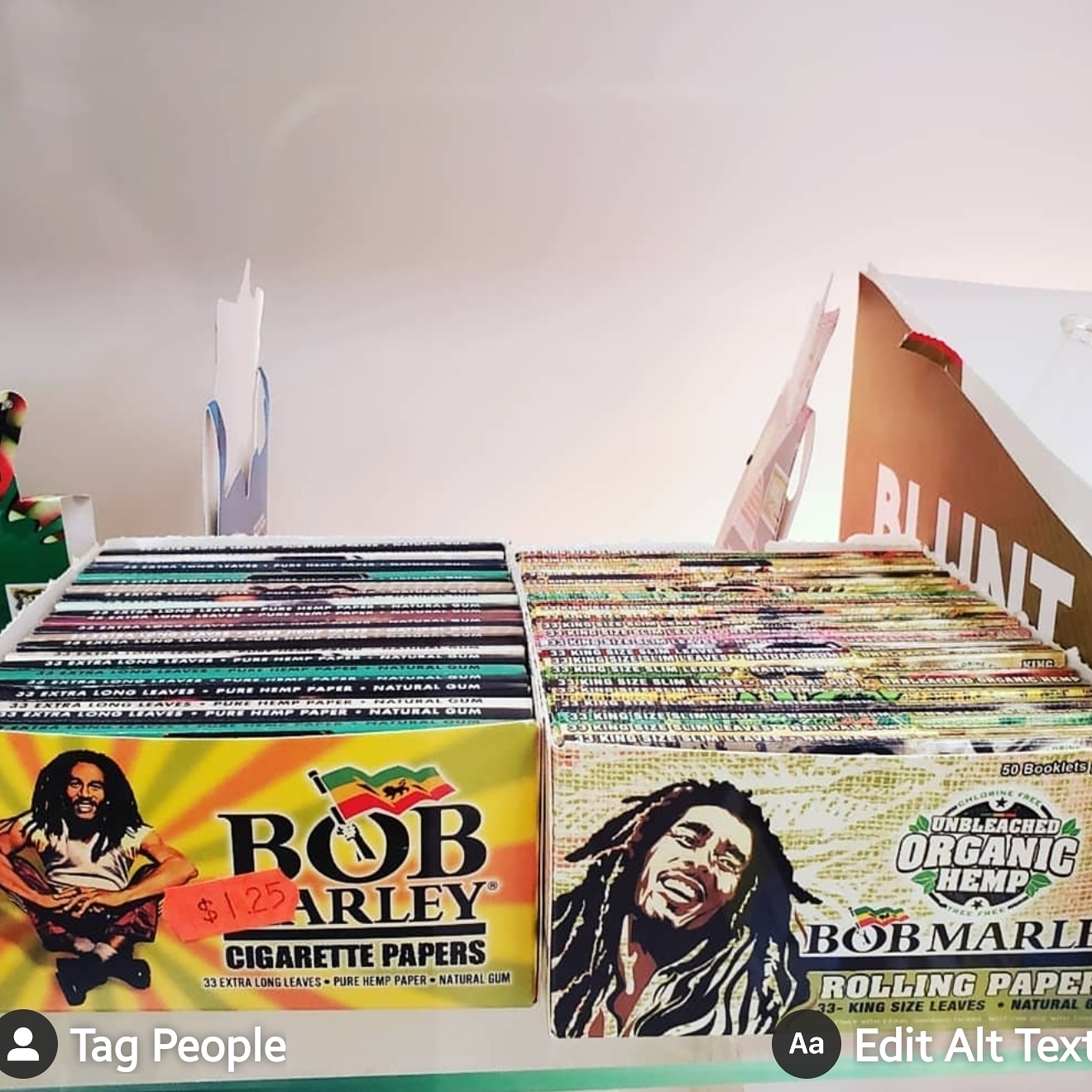
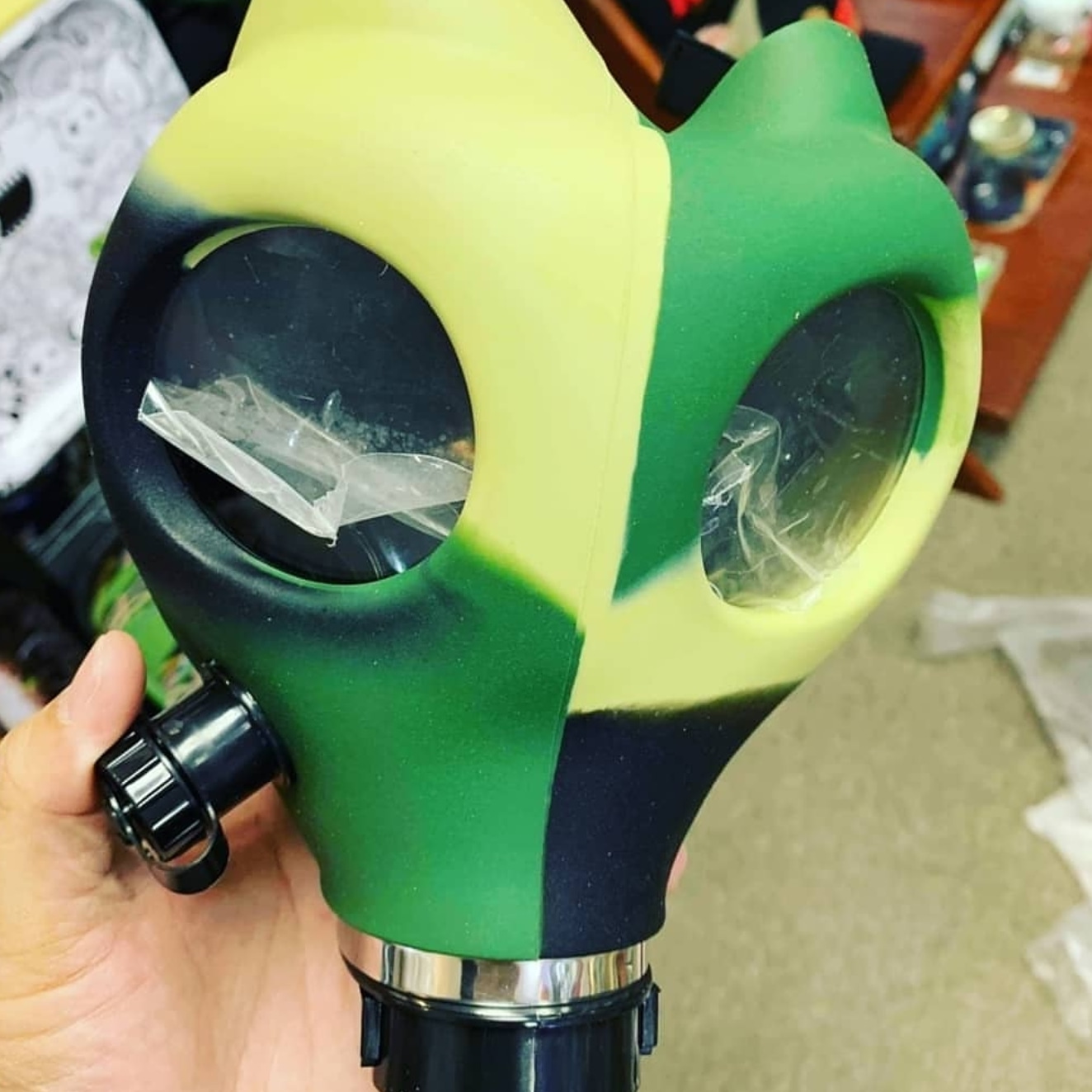
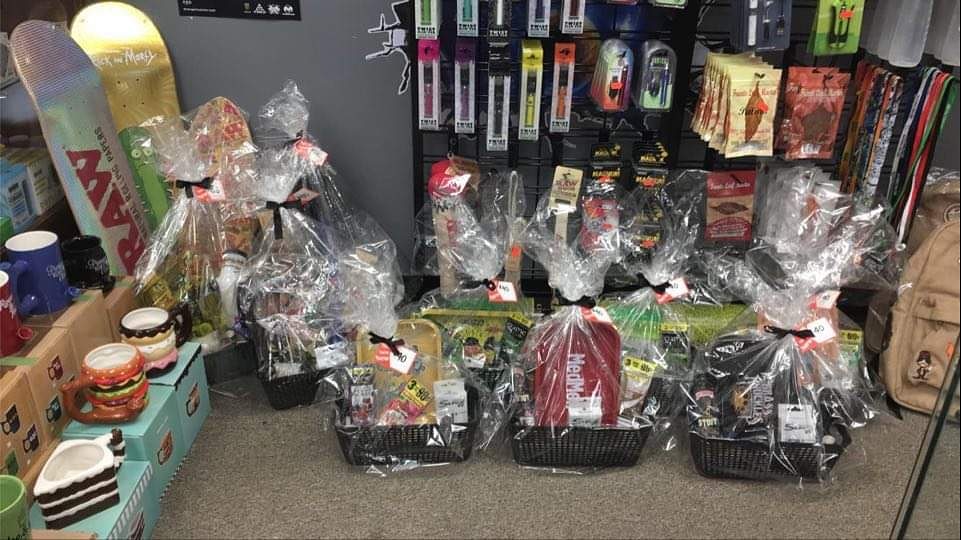
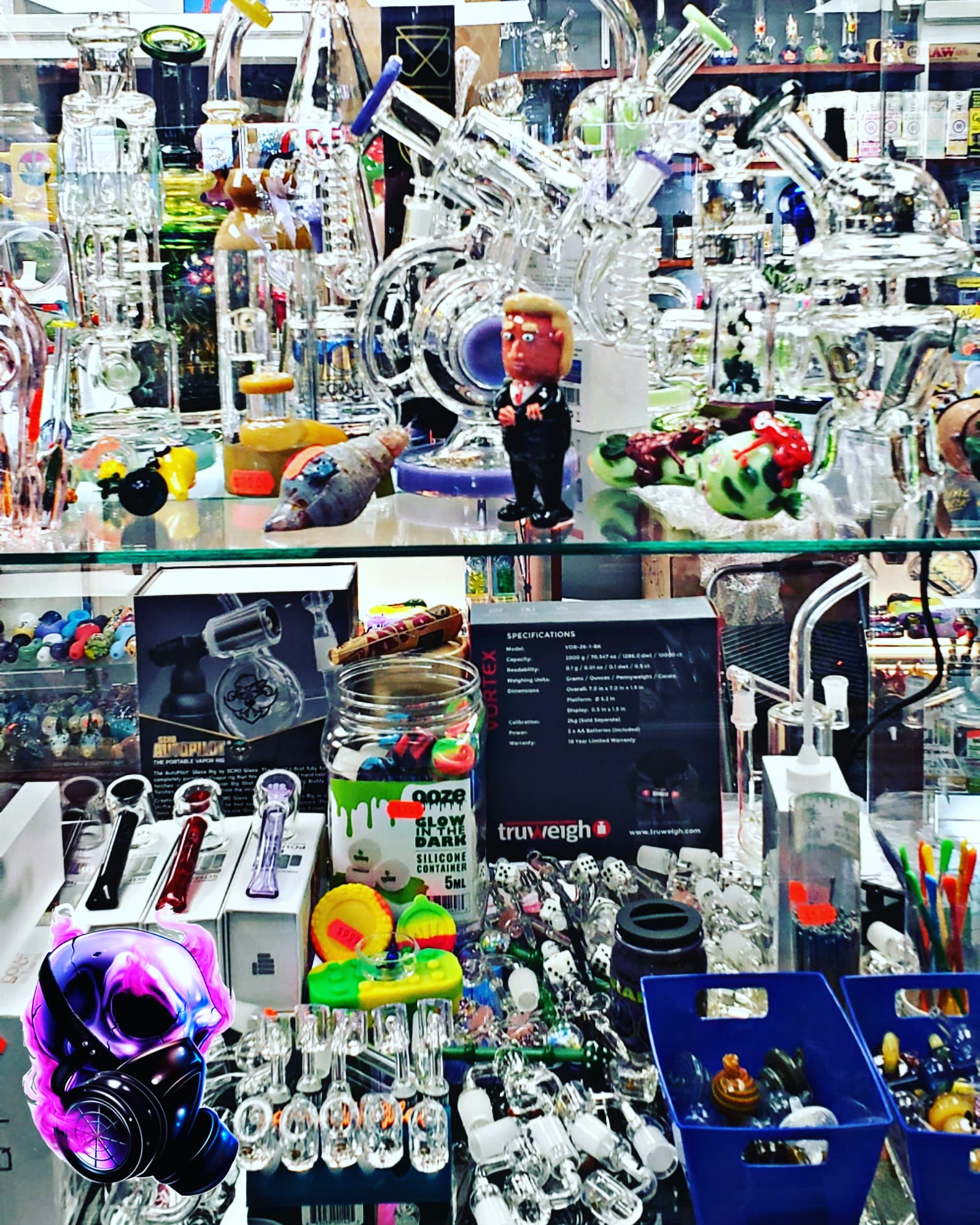
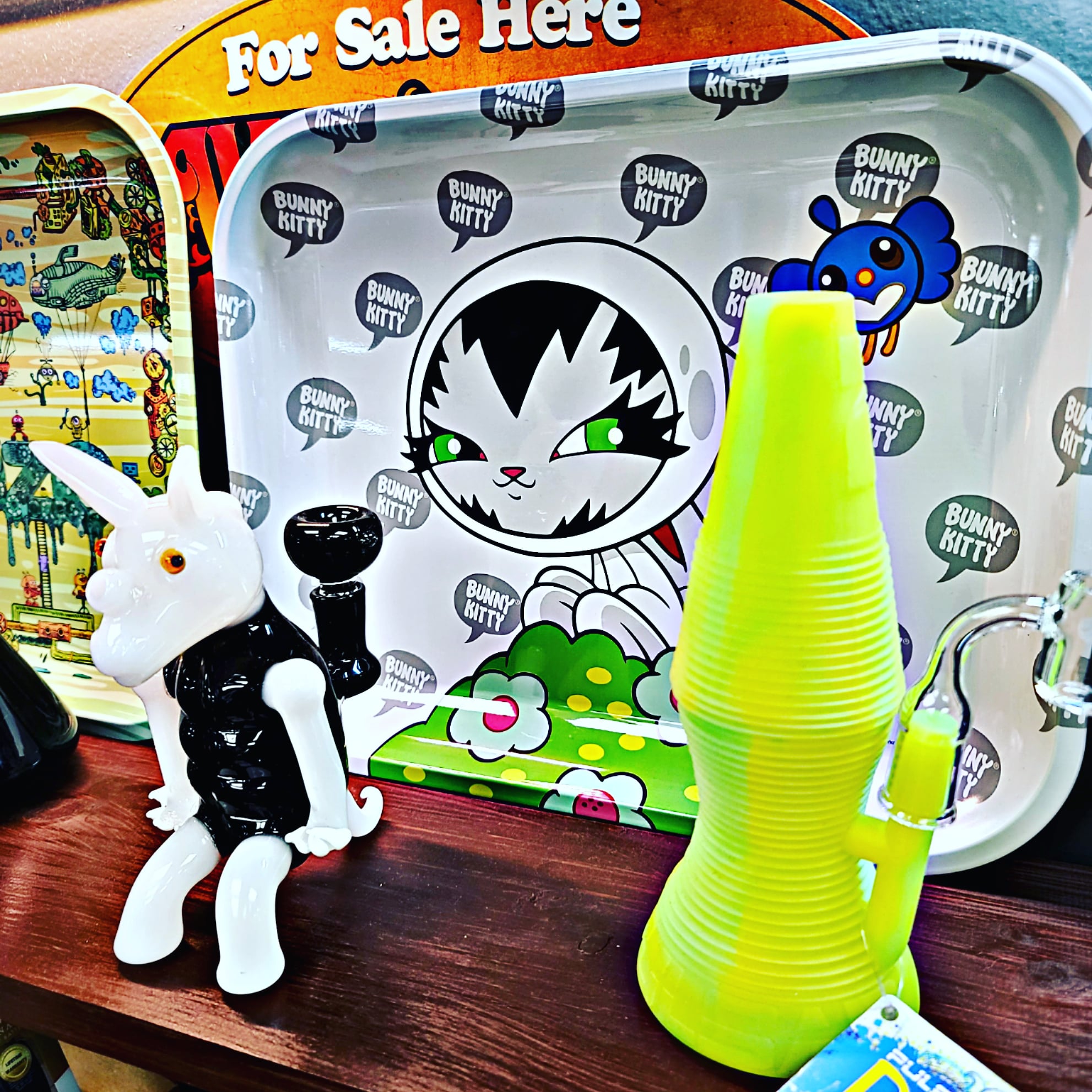
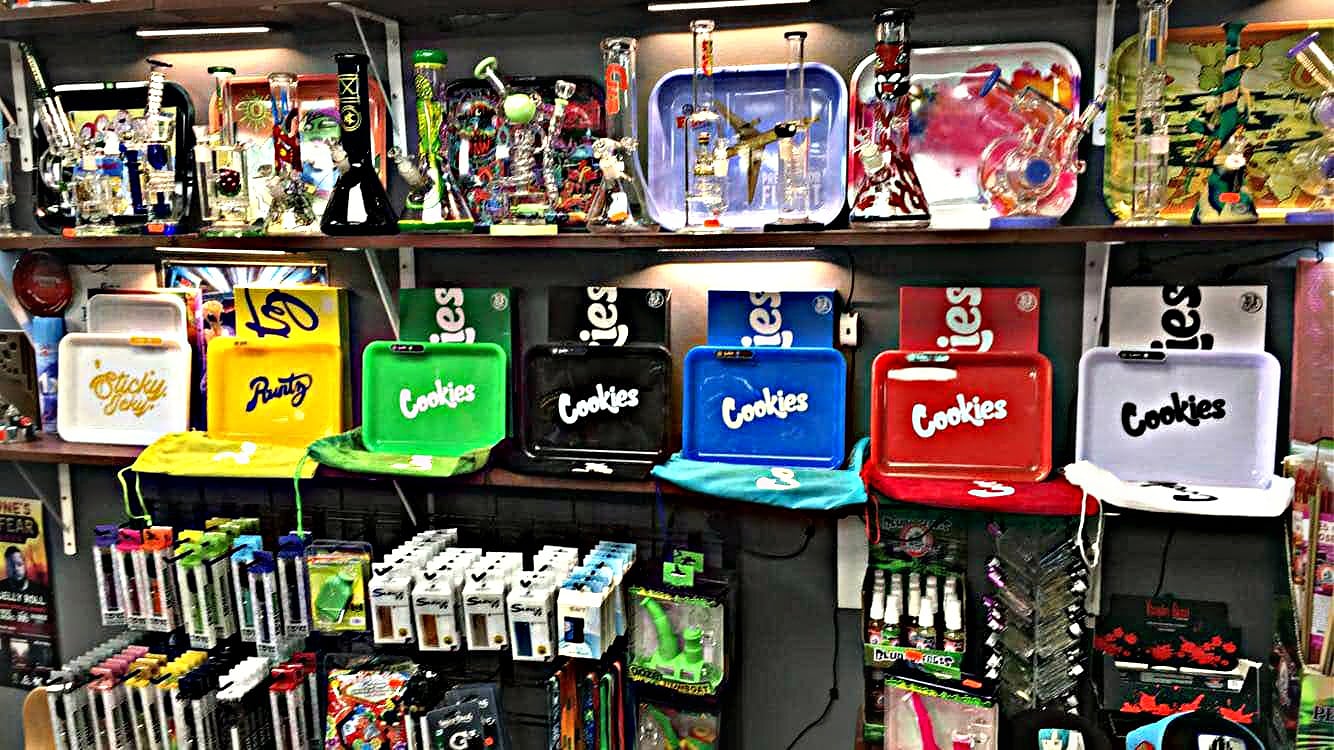
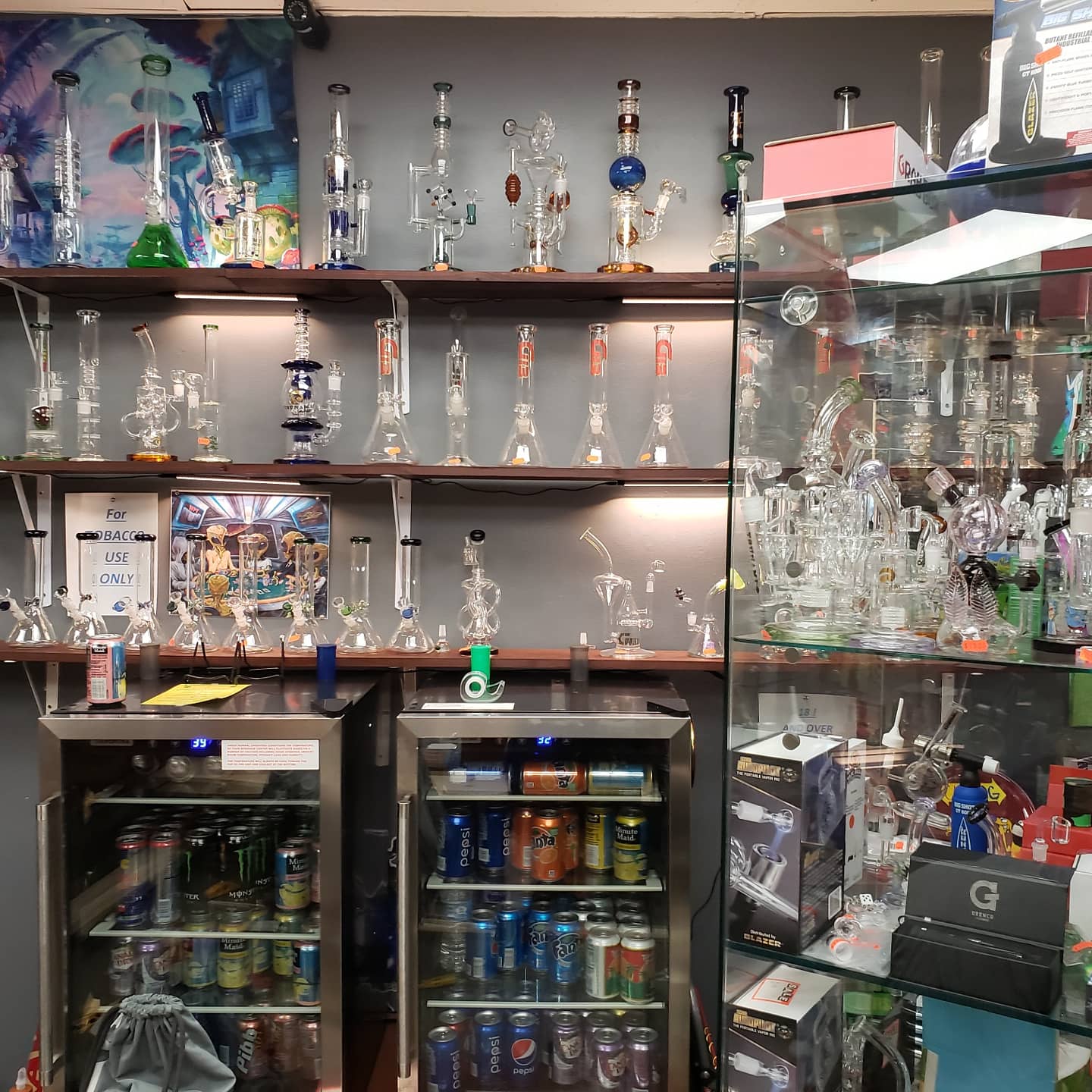
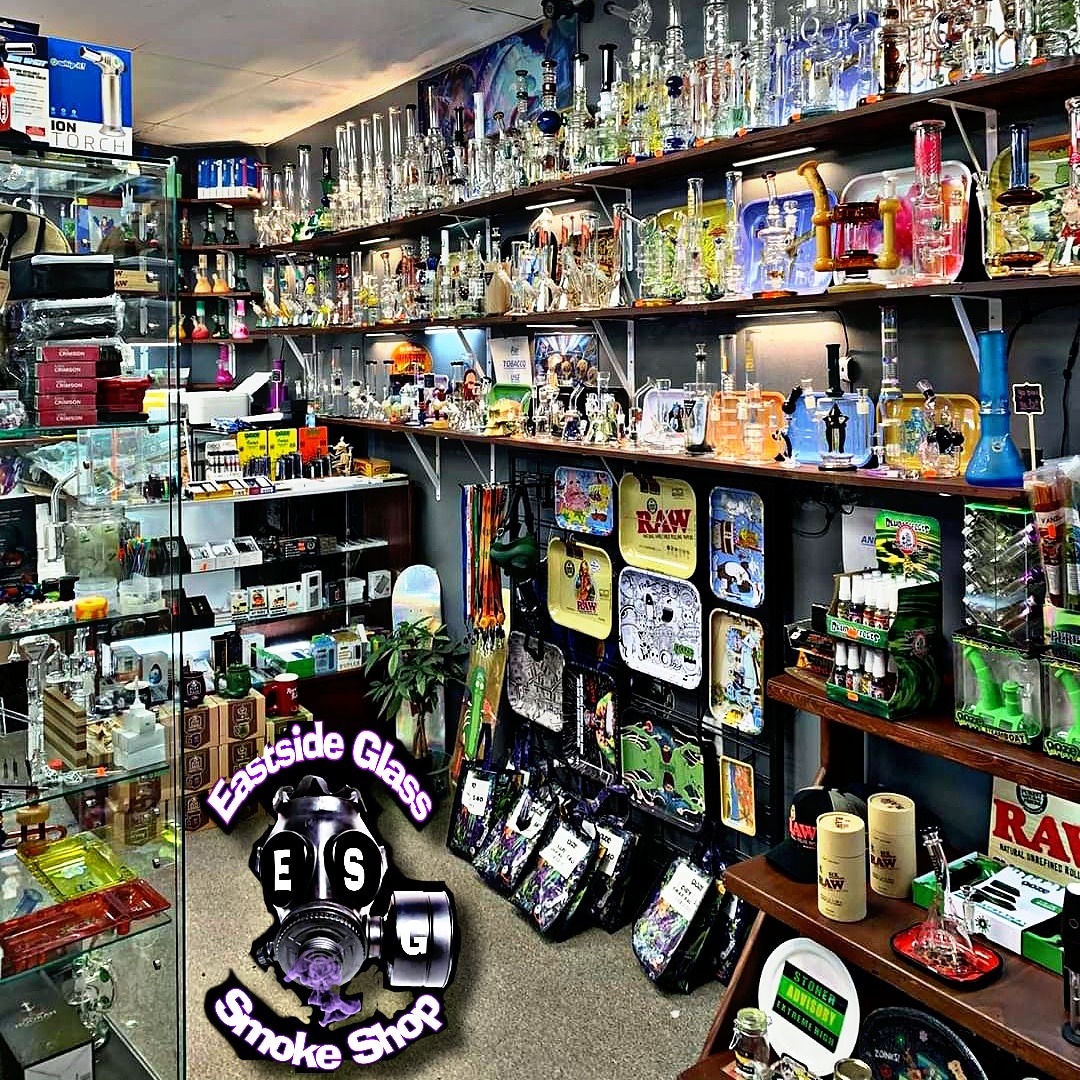
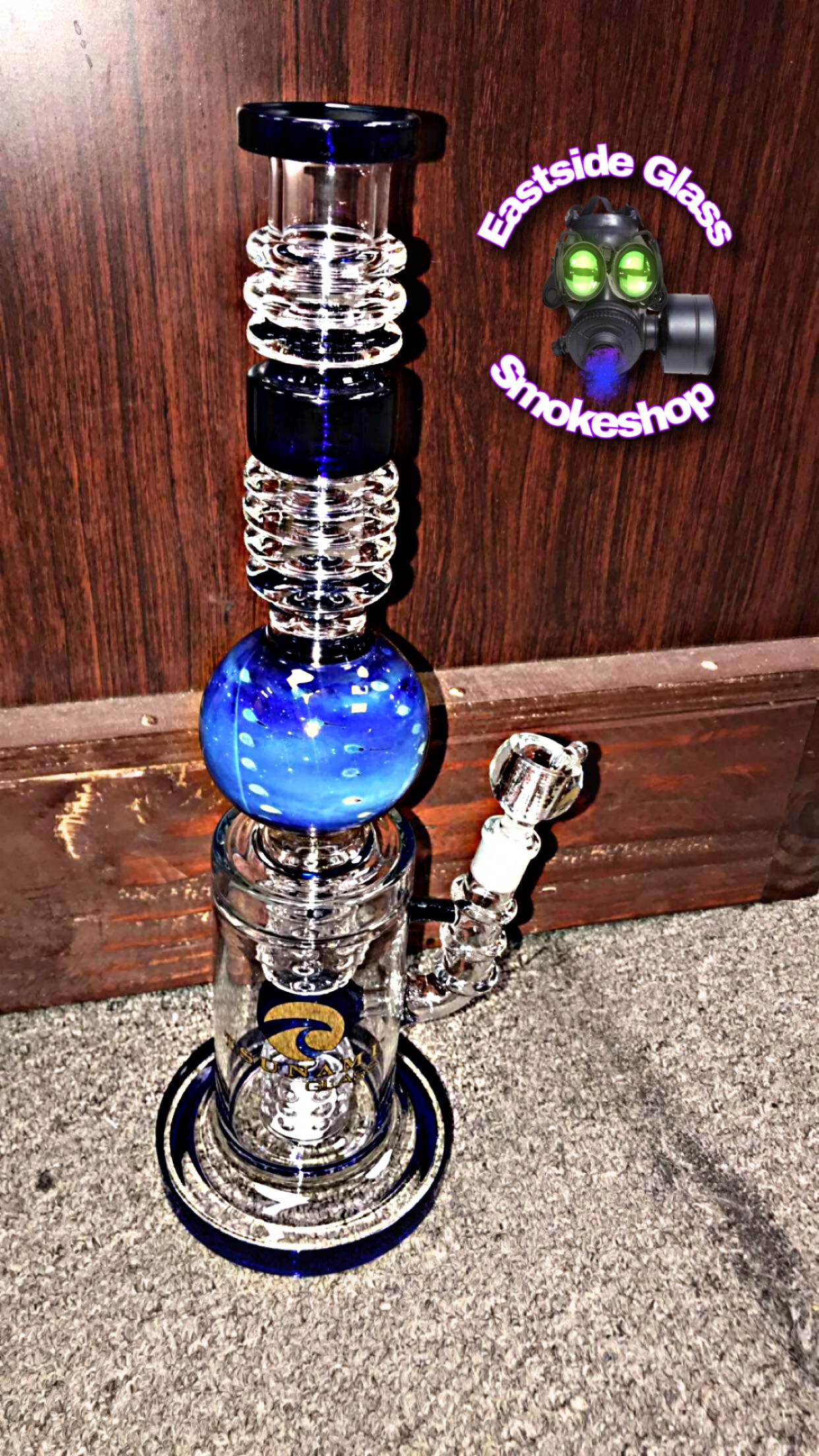
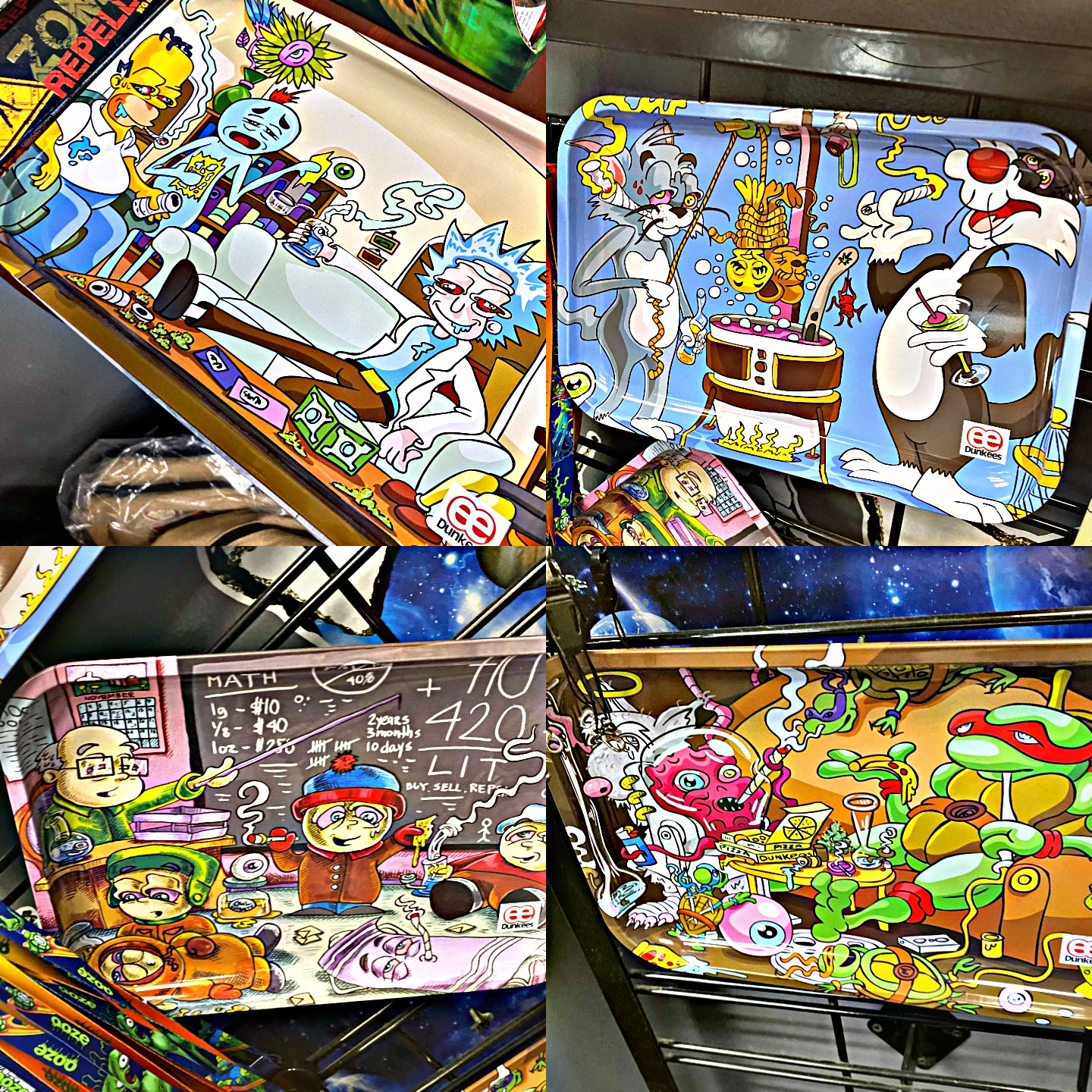
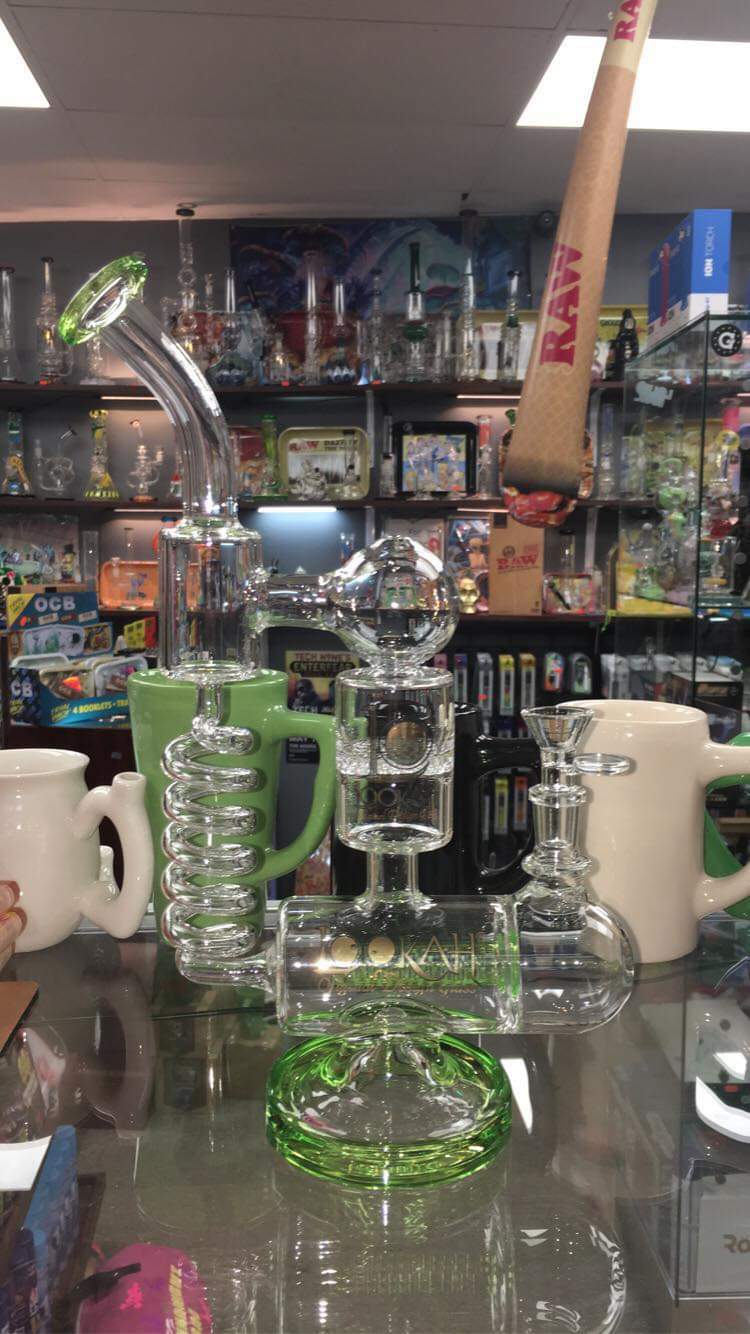
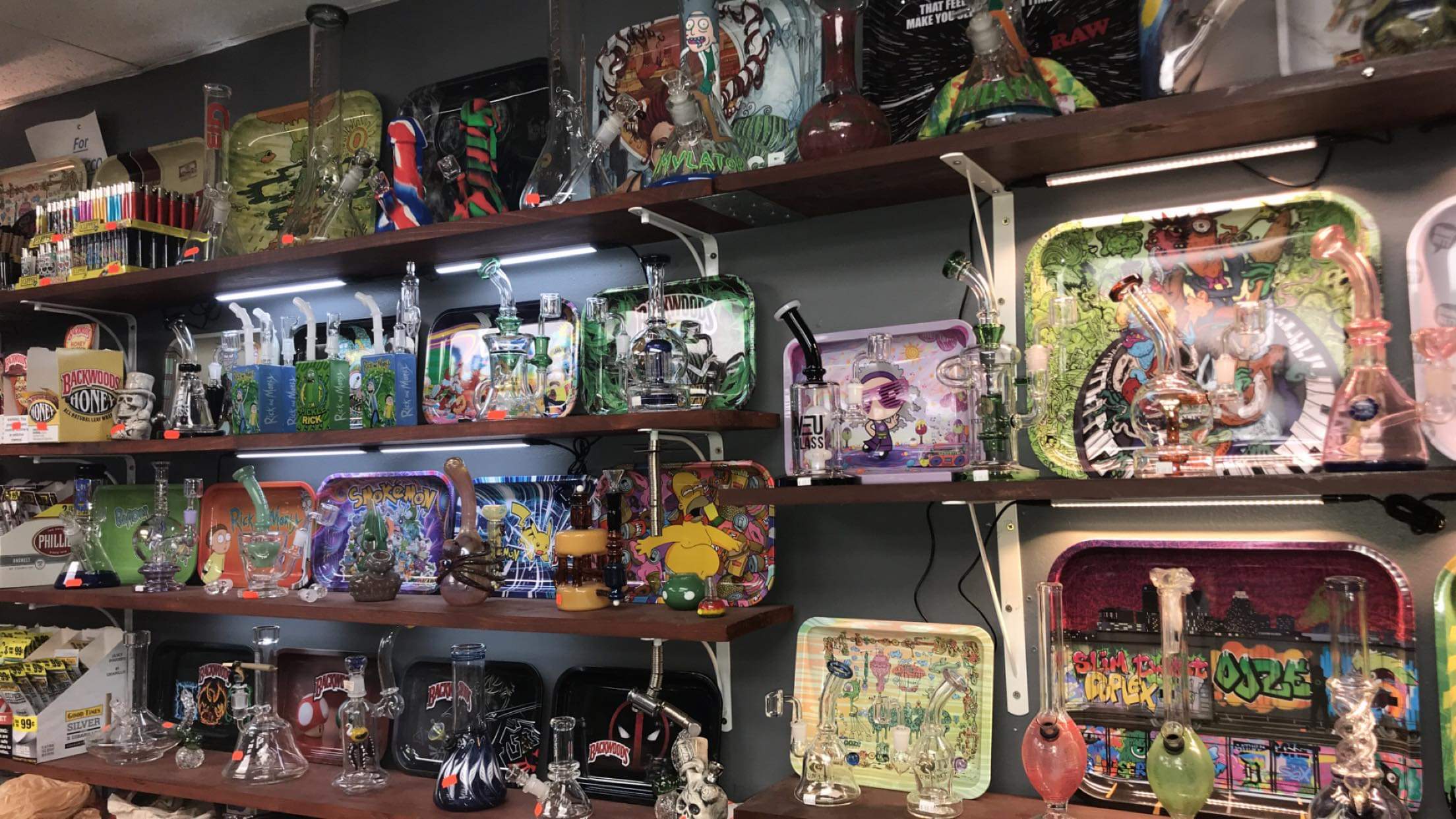
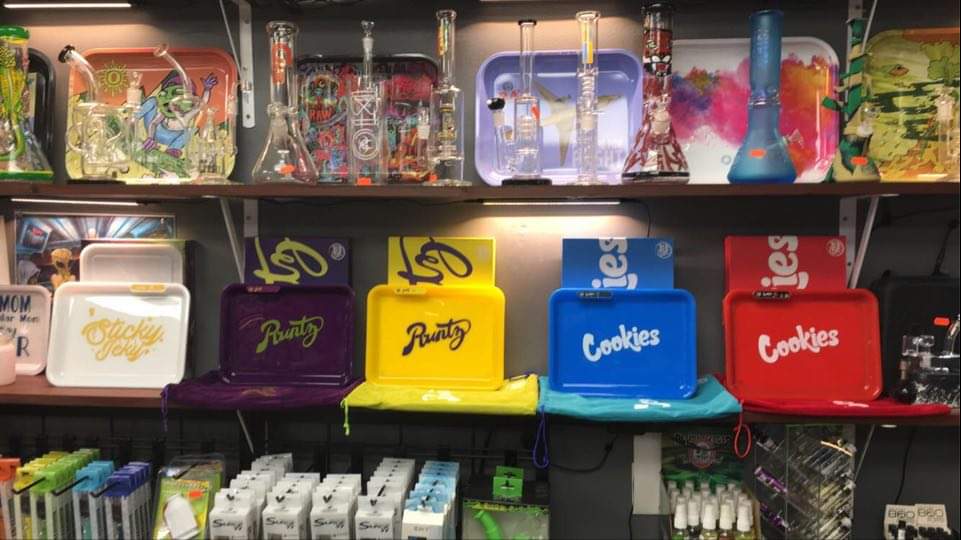
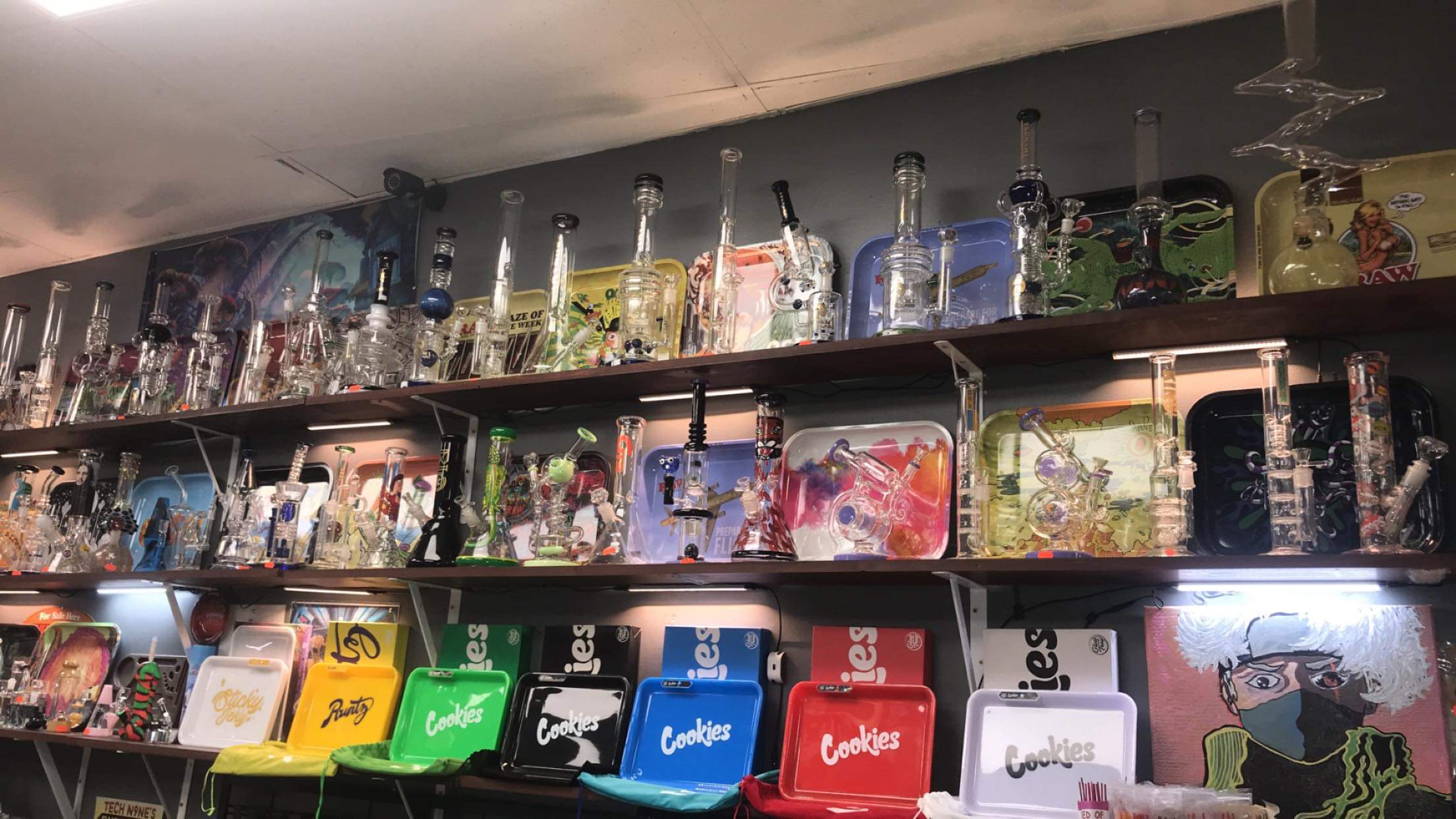
They all chipped in, whether with cash, credit, connections, or all of the above. They also provided him with a space. It was just a 500 square foot storage room in the back of one of their cellphone stores, but with a few weeks of love and care from Nelson and his closest friends, it was transformed into Eastside Glass, now one of Elyria’s premiere smoking destinations, and as Nelson describes it, “a masterpiece.”
The disproportionately low representation of his people within the head shop industry isn’t lost on him. He’s very aware of the disparity and has clearly pondered the implications and causes more than once.
“Just my opinion,” he offers, “but if you want to get real and go back into the legal history here, you’ve got cats doing 10-20 years over some weed, bro. Weed! That’s weighed heavily on our whole community. A lot of us don’t want to be involved because it’s like . . . We’re already a target. Why would I want to go into a business that’s targeted? Once you mix the head shop and the black stigma (shivers). . . I can’t tell you how many times undercover cops have tried to set me up.”
We continue pulling the thread. Though Nelson isn’t the one pushing the topic, he suffers no shortage of relevant thoughts. When asked if he’s encountered discrimination, he nods in the affirmative, but with a shrug.
“I do. I have. I mean, shit . . . I deal with it a lot . . . but I’m persistent. You can tell me that you don’t want to do business with me . . . but money talks. So I’ll be back next week with a couple hundred more dollars in my pocket and maybe then you’ll want to deal with me, sir.
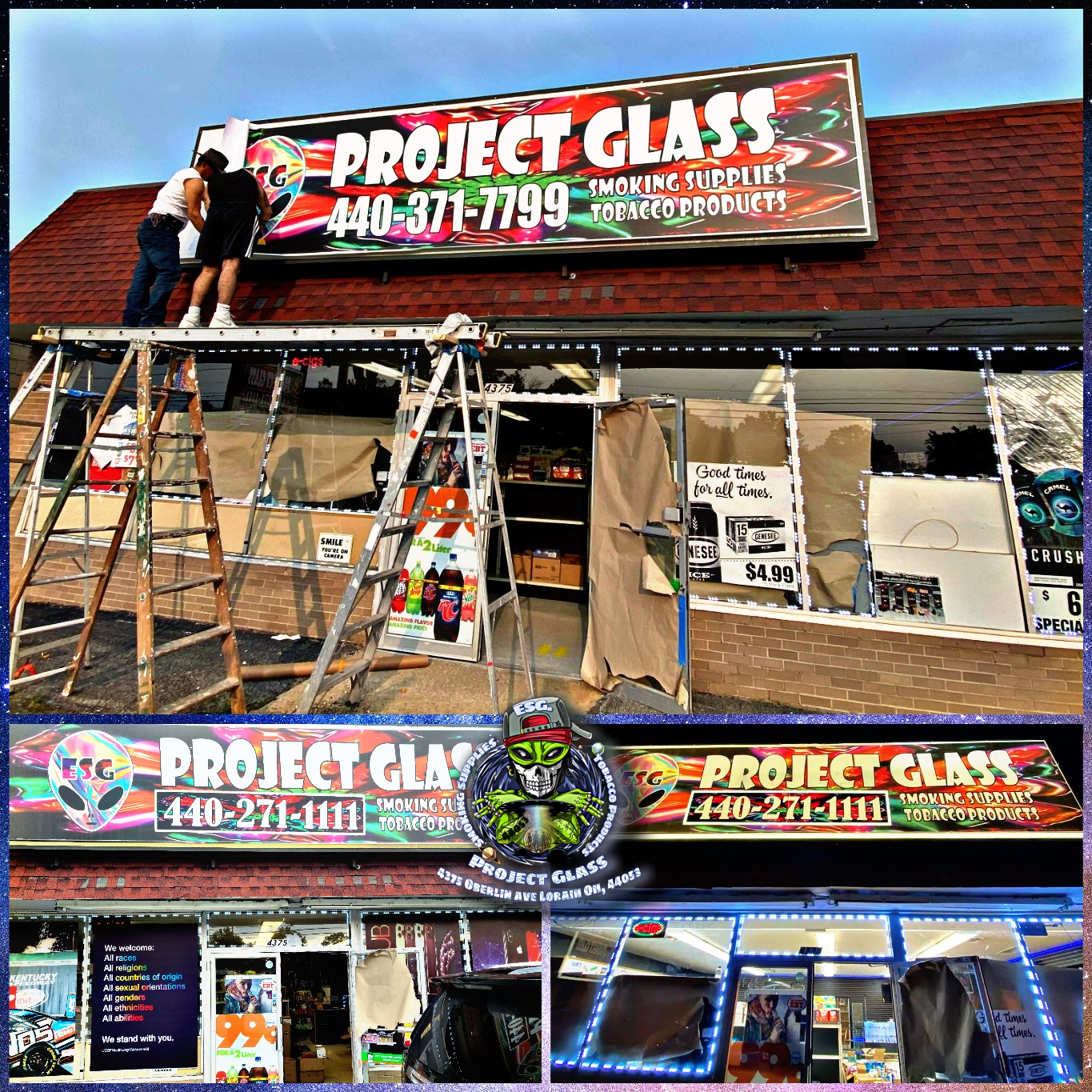
Herein lies the key to Nelson’s success—and make no mistake, this is a success story. A young man who had nothing handed to him in life impressed his employers enough for them to loan him the cash to start a business, paid off that loan within two years, and has now financed the opening of a second location, an 1,800 square foot store front called Project Glass, completely on his own dime. That’s more than just a success; it’s an inspiration and it’s a result of his dogged persistence. Tenacity, even. He never took “no” for an answer and never bought into words like “can’t” or “won’t,” whether fostered by the naysayers around him or the doubts in his own head.
“Sometimes you doubt yourself when you first do something. You start to think that maybe you shouldn’t have jumped in. But I was like, ‘Man, I owe these guys all this money . . . so I gotta make this work.’ I dealt with that fear up until I gave them their last dollar. But, I’ve been on the streets since I was like, 13 or 14. I’m used to the pressure . . . Every morning, I would fight myself—and I still do. Every morning, I wake up and I have that inner struggle. ‘This is what you started and this is what you have to do. You built a brand, even a culture around here. You got to keep your game face on, light that fire under your ass, and take your ass to work.’ And it’s not even work, because we love what we do.”