

A new report by the Drug Policy Alliance (DPA) says the time is ripe to change drug laws.
 Polls of presidential primary voters last year found that substantial majorities support ending arrests for drug use and possession in Maine (64%), New Hampshire (66%) and even South Carolina (59%). In 2016, the first state-level decriminalization bill was introduced in Maryland and a similar version was reintroduced in 2017. The Hawaii legislature, meanwhile, overwhelmingly approved a bill last year creating a commission to study decriminalization.
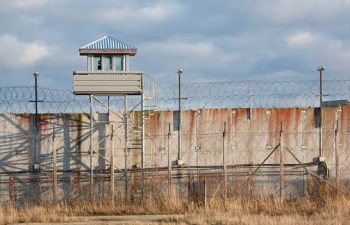
Each year, U.S. law enforcement makes at least 1.2 million arrests simply for drug possession. On any given night, there are at least 133,000 people behind bars in U.S. prisons and jails for drug possession – and 63,000 of them are held pre-trial.
“Removing criminal penalties for drug use and possession will increase opportunities for people to get help,” said Emily Kaltenbach, senior director of national criminal justice strategy at the Drug Policy Alliance. “Today, people who need drug treatment or medical assistance may avoid it in order to hide their drug use. If we decriminalize drugs, people can come out of the shadows and get the help they need.”