
How many loyalty and rewards programs are you a part of? Do you know how to access your rewards without keeping track of a physical stamp card? And as a business, how are you reaching your customers to keep them engaged and coming back?
Headshops and dispensaries already know just how important happy, repeat customers are for business. They also know how difficult and expensive it can be to send compliant marketing messages via SMS to their customers. As one of the most highly regulated sectors in retail, the cannabis industry is fraught with different rules and restrictions, along with steep fines and penalties if you step out of line. That’s why Sticky Cards eschews SMS messaging altogether, allowing customers to embed their favorite loyalty programs directly into their phone wallets.
Sticky Card’s CEO, Varun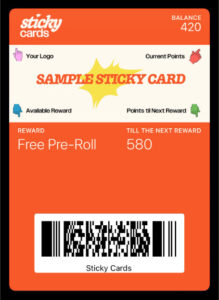 Sharma, is on a mission to simplify and streamline customer loyalty in the cannabis space. The premise is simple: cannabis retailers create a customized digital loyalty card that customers can download directly into their Apple or Google wallets. This card offers everything a physical loyalty card provides, but is much harder to lose, and it also gives retailers insightful analytics for ongoing marketing and promotions. By offering a no-app loyalty solution for dispensaries and other regulated industries, Sticky Cards can bypass carrier restrictions, avoid SMS fees, and allow businesses to create more engaging content and a more streamlined customer experience.
Customer consent and compliant messaging remain central to Sticky Cards’ philosophy, and by using push notifications instead of SMS, they give retailers more flexibility in their messaging about exclusive offers, timely promotions, loyalty rewards, and other reminders. Through POS integration, Sticky Cards also allows retailers to analyze customers’ purchase history and create different offers for different segments to drive repeat purchases and bigger baskets.
Headshops can personalize rewards and deals for each customer through birthday gifts, re-engagement discounts for those who haven’t visited in over a month, and loyalty points. Because Sticky Cards uses push notifications, they avoid complicated SMS compliance regulations and hefty fees by showing their messages directly on their customers’ lock screens. Offers sent through wallet passes update in real time, and their team is available to help set up more complex workflows and integrations.
In fact, the onboarding process at Sticky Cards also sets it apart as a leader in customer experience. For the first 30 days, new Sticky clients work with a Toronto-based onboarding manager to get their in-store and digital materials ready, ranging from getting QR codes and informational posters printed for the store to working with an in-house designer to customize the digital loyalty card that their customers can download directly into their Apple or Google wallet.

While Sticky Cards is helpful for all regulated industries, including gaming and alcohol, they already work with an impressive roster of cannabis clients. They also have an extensive blog, providing advice and support on everything from inventory strategies for dispensaries to cannabis buyer personas. The aforementioned marketing team ensures that every client gets high-touch support.