Marijuana policy change inevitable

Federal action on marijuana policy is inevitable and will happen “soon,” according to Food and Drug Administration (FDA) Commissioner Scott Gottlieb.

Exactly what kind of action he’s anticipating is unclear, though. After dismissing the idea that botanical cannabis has therapeutic value, Gottlieb said in a CNBC appearance on Friday that there’s “probably going to be a policy reckoning around this at some point in the future.”

“Obviously it’s happening at the state level, and I think there’s an inevitably that it’s going to happen at the federal level at some point soon,” he said.

Gottlieb mostly stayed away from making any direct comments about legalization. He said marijuana legalization isn’t under his agency’s purview, and their only responsibility was to make sure companies don’t make wild medical claims on cannabis products.

“We do regulate compounds that are making drug claims and we regulate botanical use of marijuana,” the commissioner said in the TV interview. “We have approved compounds derived from marijuana, but there is no demonstrated medical use of botanical marijuana. That’s the bottom line.”


 

Recent Articles

Even without the representation and recognition they deserve, women have always been at the center of the cannabis movement.
There are objects Americans buy because they need them, and objects Americans buy because they let them be a certain kind of person. A perfectly functional version exists, usually for a fraction of the price. But the other version comes with a name, a story, and a reason to pay extra.
Walk into any warehouse rave, desert gathering, or rooftop after-hours in 2026, and you’ll feel it: the psychedelic underground is back, louder, weirder, and far more self-aware than its ‘60s predecessor ever imagined.
In 62 BC, Julius Caesar announced his plan to divorce his second wife, Pompeia. She had been involved in an ancient Roman sex scandal, accused of flirting with another man during a women-only religious event.
When it comes to marketing, cannabis is different from every other consumer good available today. If sales start to dip in traditional retail, you can simply increase ad spending. However, with companies like Google, Meta, and even traditional broadcasters placing strict bans or severe limitations on cannabis advertising, the standard “pay-to-play” system just doesn’t work.
It feels impossible sometimes to escape the more ridiculousness aspects of pop culture—like pickleball, whatever a Labubu is, and the inevitable media frenzy surrounding Taylor Swift and Travis Kelce's upcoming wedding. Thankfully, there’s at least one trend that’s still on the rise that I can get behind, which is kratom.
ile Mike Wittenberg sat in a Dominican Republic prison, a thought occurred to him. “I could appreciate flushing the toilet,” he said. “When you’re in a third-world jail without running water 23.5 hours a day, you learn to appreciate the little things.”
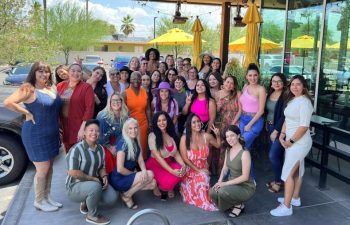
When Adelia Carrillo (Fakhri) and Parisa Rad first sat down for brunch in Phoenix, AZ, with a few other women in the cannabis industry, they had no idea how that moment would change the trajectory of their lives. “The energy in that room was transformative,” Adelia says.