Head shops didn’t begin as glass galleries or designer drug emporiums. These were not sterile profit centers. They were cultural watering holes and community spaces for the outcast, the fringe dweller, and the weirdo mom warned you about. A proper head shop was equal parts record store, art exhibit, occult bookstore, and confessional booth for the chemically curious. They specialized in the rare and funky – and yes, accessories like bongs and pipes were part of that, but only part. You’d find vintage posters, rare vinyl, and the occasional bootleg Grateful Dead tape alongside rolling papers and incense. The head shop wasn’t just retail – it was rebellion with a cash register.
In the last 20 years, that has changed. The rebellion got streamlined. The funk got franchised. And the head shop? In a lot of cases, they got eaten alive by the convenience store model of cannabis retail. Everything has become disposable, gummies, and products that fit in a gas station endcap (no hate). And you know what? Revenue spiked. Shops grew fatter. But the culture got thinner.
With this dilution of culture, a devaluing of shop spaces, and the whole industry anchored on fly-by-night consumables that will likely get banned, we’ve lost our way entirely. Maybe to save the industry, we have to save the culture.
And look – money matters. Nobody’s saying a shop should martyr itself for the vibe. But here’s the catch: the consumables we’ve pinned the entire industry on? They’re fragile. Products get banned. Devices get outlawed. Regulators get twitchy every time someone sneezes near a vape pen. So maybe the answer isn’t just more product. Maybe it’s more place. Or more precisely, a third space.
Third Space

What made the head shop bulletproof in its heyday wasn’t that it had the best bong selection on the block; it was that it was a third space before the term was a TED Talk cliché. It was where people went to feel seen, to swap music recommendations, to argue about who was better – Led Zeppelin or Pink Floyd – and to snag the weird incense that, to this day, no one can identify but everyone remembers.
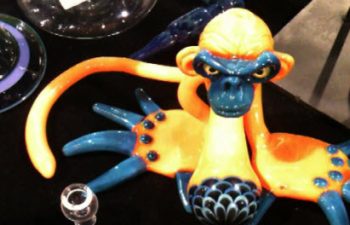
When you dig into the original head-shop ethos, you find a pattern: the weird, the fringe, the outsider stuff became the magnet. That’s how underground comics got shelf space. That’s how indie rock posters and hand-printed zines rubbed shoulders with rolling trays. In that space, you’d trade stories about your last mushroom trip, or argue the merits of obscure psychedelics, or pick out an outrageously colored silicone bubbler that looked like something from a sci-fi movie. That wasn’t fringe for the sake of fringe; it was identity.
Replanting the Weird Seed
So when we talk about reclaiming culture, it means leaning back into that oddness. Offer more than carbon filters and grinder pucks. Offer strangeness. Think limited-edition art collabs, one-off handblown novelties that no one else carries, tie-dye events, poetry or micro-concert nights in the shop, vinyl listening corners, local artist walls, rotating oddities (taxidermy spiders, tarot decks, custom pins). Let your space breathe. A customer can wander in, glance at the back wall, and feel their expectations glitch: “Wait, are those stash jars painted by local graffiti artists?”
That kind of curiosity drives foot traffic. And once folks are lingering, they’re more likely to buy your consumables too. But the key is that your shop becomes a destination, not just a stopover for cartridges. If you’re the place where weird souls congregate, you become indispensable. Consumables become sideshows, not the headliner.
Here’s a business weirdness paradox: the more you lean into personality, the more defensible you become against commoditization. If everyone’s carrying the same El Diablo vape cartridge, your only edge is margin. But if you carry “stained glass terpene display art” (for one weird example), now you’re competing on uniqueness, not price. That’s a moat. That’s culture as intellectual property.
Also: Diversify. Don’t put all your eggs in the consumables basket. Host events. Sell apparel, art, music, literature. Create your own branded merch that people want to wear. Launch bending glass workshops, link with local glassblowers. Make your shop a brand hub, not just a dispensary adjunct.
Cultural DNA
The industry is wobbly because its foundations are built on hot trends and regulatory quicksand. Every time a state bans something new or cracks down, many shops or brands scramble. But culture… culture is sticky. A community built on genuine identity doesn’t evaporate when a product disappears. The people and the stories and the legacy stay.
Reclaim the head shop as a destination. And once that’s happening at scale, maybe we’ll find that the revenue follows the vibe and we’ve created spaces worth lingering in, stories worth telling, and shops worth revisiting.